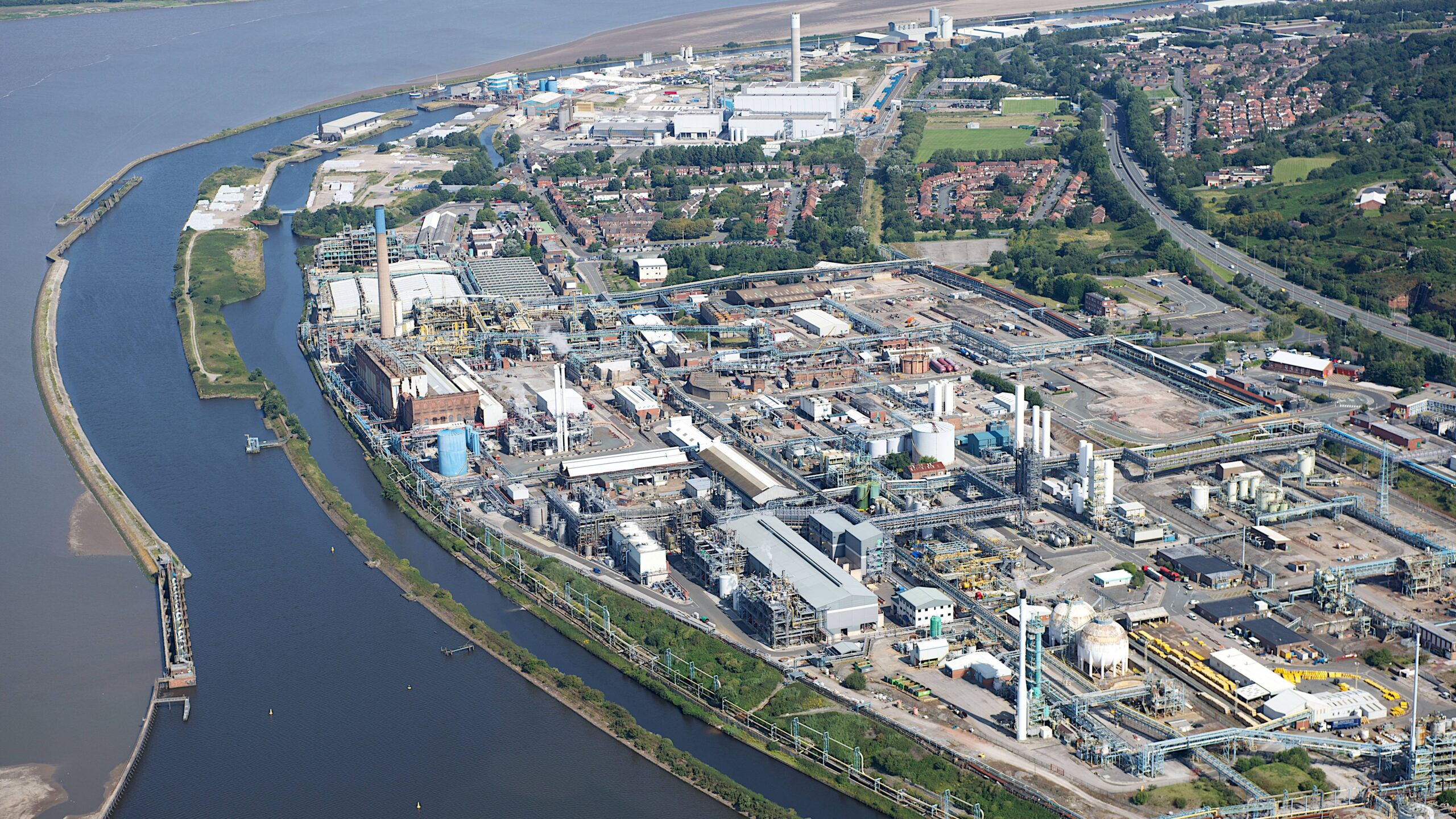
INEOS Inovyn has completed the acquisition of the UK’s remaining ethylene dichloride (EDC) production asset at Runcorn, bringing the facility and the outstanding shareholding in Runcorn MCP Limited under its ownership.
The transaction completed on 30 October and was confirmed by INEOS on 3 November. It includes Vynova Runcorn Limited’s remaining 50% holding in Runcorn MCP, together with assets and employees associated with EDC production at the Cheshire chemicals complex.
Vynova Runcorn Limited entered administration in 2025. INEOS announced an agreement to acquire the relevant assets in August 2026, subject to completion of the required legal and regulatory processes.
The latest development is the completion of that transaction, rather than the announcement of a proposed purchase. Financial terms have not been disclosed.
The acquisition brings related chlor-alkali and EDC manufacturing activities within the INEOS Inovyn business, changing the ownership and coordination of operations involved in supplying several important industrial chemicals.
EDC is used as an intermediate material in the production of vinyl chloride monomer, the principal feedstock for manufacturing polyvinyl chloride (PVC). PVC is subsequently processed into products used in construction, industrial equipment, healthcare and other applications.
Britain’s remaining EDC production capability is located at Runcorn, making the facility strategically important to the country’s existing chemicals manufacturing infrastructure.
The site also contains a large chlor-alkali operation producing chlorine, caustic soda and hydrogen through membrane electrolysis. These materials supply a broader range of industrial processes, including chemicals production and drinking water treatment.
INEOS describes Runcorn as one of Europe’s largest membrane electrolysis installations. The wider site employs approximately 630 people and manufactures chlorine derivatives, hydrochloric acid, sodium hypochlorite, hydrogen and salt alongside its principal chlor-alkali products.
The 630-person figure describes the site’s workforce and should not be interpreted as the number of employees transferred through the acquisition. The transaction includes the employees associated with the acquired EDC operation, but INEOS has not published a detailed breakdown of the transferring workforce.
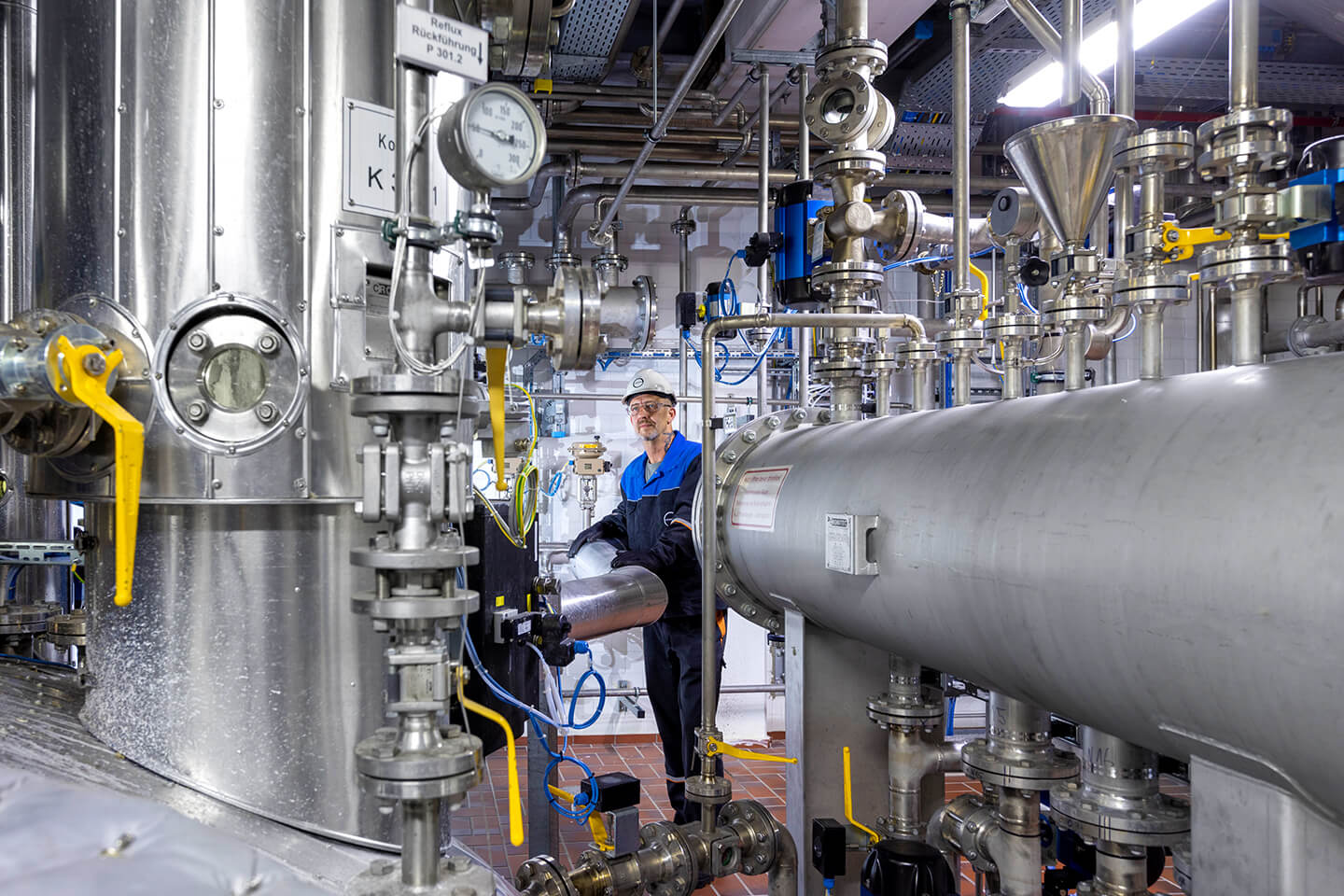
Chlor-alkali manufacturing begins with brine, a solution containing dissolved sodium chloride. In a membrane electrolysis process, electrical energy drives reactions that produce chlorine, caustic soda and hydrogen.
The membrane separates the reaction environments and helps maintain the required product streams. Process performance depends on the condition of the electrical equipment, the quality of the brine, the membrane system and the operating conditions maintained within the electrolysis installation.
Electrical energy is a substantial production input. Manufacturers must also operate supporting systems for preparing brine, managing product streams, maintaining equipment and handling chemicals safely.
Hydrogen is generated as part of the process, while chlorine and caustic soda are supplied to industrial customers or used in other chemical operations. Maintaining the appropriate relationship between output streams and customer demand is an important part of running a large integrated chlor-alkali facility.
Chlorine has an established role in the treatment of drinking water. It is used in controlled disinfection processes intended to reduce harmful microorganisms and maintain water quality.
INEOS states that approximately 98% of the chlorine used for drinking water treatment in Britain is supplied from Runcorn. The figure is a company-reported measure of the site’s importance to the water sector, rather than an independently audited market share established in the acquisition announcement.
The site’s industrial role extends beyond direct water treatment. Chlorine and its derivatives are used within supply chains serving pharmaceuticals, food manufacturing, healthcare, construction and chemical production.
EDC manufacturing provides a further connection between the chlor-alkali operation and downstream materials. One established production route combines ethylene and chlorine to produce EDC, while other industrial processes can also form part of an integrated vinyl chemicals manufacturing chain.
EDC is converted into vinyl chloride monomer through a subsequent chemical processing stage. The monomer can then be polymerised to manufacture PVC, whose characteristics depend on the polymer grade and any additional formulation or processing applied by downstream manufacturers.
The individual stages require different equipment and operating conditions. EDC production, vinyl chloride manufacture and PVC polymerisation are related industrial activities, but the acquisition does not mean that every stage of the complete supply chain is located at Runcorn.
Bringing related assets under common ownership can simplify commercial coordination and decisions affecting material supply, maintenance and production planning. The practical benefits will depend on how INEOS operates the facilities and manages their connections with other sites and customers.
The company’s announcement confirms the acquisition and intended continuity of operations but does not disclose additional output capacity, a production expansion timetable or new capital expenditure at the acquired facility.
Stephen Dossett, chief executive of INEOS Inovyn, said: “Securing Runcorn’s asset, which is the last in the UK, from closure is an important step in strengthening the UK’s national resilience.”
Dossett also called for changes to industrial energy costs, carbon compliance requirements and trade protection, arguing that domestic chemical producers face substantial competitive pressures.
Those pressures are particularly relevant to electricity-intensive chlor-alkali production. High power costs can influence production margins directly, while changes in chemical prices and customer demand affect the commercial position of downstream facilities.
Chemical manufacturing also requires continuing expenditure on plant integrity, safety systems and environmental compliance. Equipment must operate within defined process limits, with suitable maintenance and inspection arrangements for installations handling reactive or hazardous materials.
Integration of the Runcorn assets does not remove these requirements. The acquired facilities will continue to depend on reliable energy supply, feedstocks, skilled employees and investment in the equipment needed to maintain safe operation.
INEOS Inovyn’s wider business spans manufacturing and commercial operations across eight European countries. Its portfolio includes general-purpose and specialist PVC, organic chlorine derivatives, chlor-alkali products, hydrogen and performance chemicals.
The Runcorn acquisition retains a domestic EDC manufacturing asset within that network. It also changes the ownership of a plant whose products and supporting operations are closely connected to established UK chemical supply chains.
The transaction follows a period in which several European chemicals producers have reviewed production costs and capacity in response to energy prices, market demand and competition from imports.
For energy-intensive facilities, maintaining a competitive production cost can influence whether customers are supplied from domestic manufacturing or from alternative sources. The outcome also depends on transport costs, product specifications and the reliability of those alternative supply arrangements.
The completion of the Runcorn transaction secures control of the acquired assets but does not establish that the UK’s wider chemicals industry is insulated from those market conditions. Continued operation will depend on the economics of the integrated facilities and the demand for their products.
The transfer of ownership has now taken effect, and INEOS Inovyn will be responsible for incorporating the acquired EDC activities and remaining Runcorn MCP shareholding into its established operations. The company’s next decisions will concern the management and development of those assets within its wider European manufacturing network.