Sourceability is expanding its electronic component testing and distribution operations in Hungary and Singapore, with both projects targeted to enter service in 2027. Its Hungarian laboratory is set to triple in floor area, while inbound and outbound handling space at the Singapore distribution centre will increase by more than 3.5 times. The programme accompanies new manufacturer agreements and customer-specific supply monitoring tools.
Two additional floors at the Singapore site will bring administrative staff closer to warehouse operations and provide more receiving and dispatch space. Sourceability places the investment at approximately $3m and identifies Singapore as its highest-volume distribution centre. The extra physical area can support more handling stations, storage and shipment preparation, although daily order capacity will depend on the equipment and workflows installed as well as the enlarged premises.
In Hungary, additional laboratory space is intended to increase room for inspection, testing and quality control. Test throughput depends on the equipment installed, the procedures required by each component family and the time taken to document results; a tripling of floor area is therefore a different measure from a threefold increase in verified testing output. Sourceability has not given a numerical target for tests processed per day or a complete equipment list for the expansion.
Electronic components move through distribution channels with differing documentation, traceability and handling requirements. A shipment can include components from multiple suppliers, manufacturing dates or procurement channels, so incoming inspection, record checking and appropriate environmental controls form part of maintaining product integrity. Sourceability describes multi-step inspection and verification processes in its wider quality system, together with facilities managed for electrostatic discharge protection and monitored temperature and humidity.
Unpackaged semiconductors can suffer electrostatic discharge damage when handled at inspection stations. Protected working surfaces, suitable personal grounding and controlled procedures limit the risk of discharges that can damage sensitive devices. Temperature and humidity monitoring also support appropriate storage conditions. Together with documentation checks and other verification procedures, such controls are part of the distributor’s quality assurance workflow.
The company reports revenue for the first nine months of 2026 at 5.5 times the level recorded a year earlier, alongside a fourfold increase in its global customer base. It has added more than nine franchise and direct manufacturer lines during the year. These figures help explain the planned increase in handling and inspection space, but the new Singapore and Hungarian areas are not yet operational, and the company has not reported measured output from the enlarged facilities.
Among the additions are global distribution agreements with Intelligent Memory and UK-based Isocom Components. Intelligent Memory supplies industrial-grade memory and storage, including DRAM and managed NAND flash for equipment with long operating lives. Isocom supplies optocouplers, solid-state relays and optical sensors. The additions widen Sourceability’s portfolio for industrial automation, transport, electric mobility and energy applications, where replacement compatibility and long-term availability can be as significant as the initial procurement price.
Sourceability’s Datalynq platform now includes Market Change Notifications, which flag movements in lead times, prices and verified stock against thresholds set for individual customers. A component becoming scarce may require urgent attention for one production programme but have little immediate effect on another with adequate buffer inventory. The customer-specific rules are intended to direct procurement teams towards the changes affecting their own builds and ordering policies.
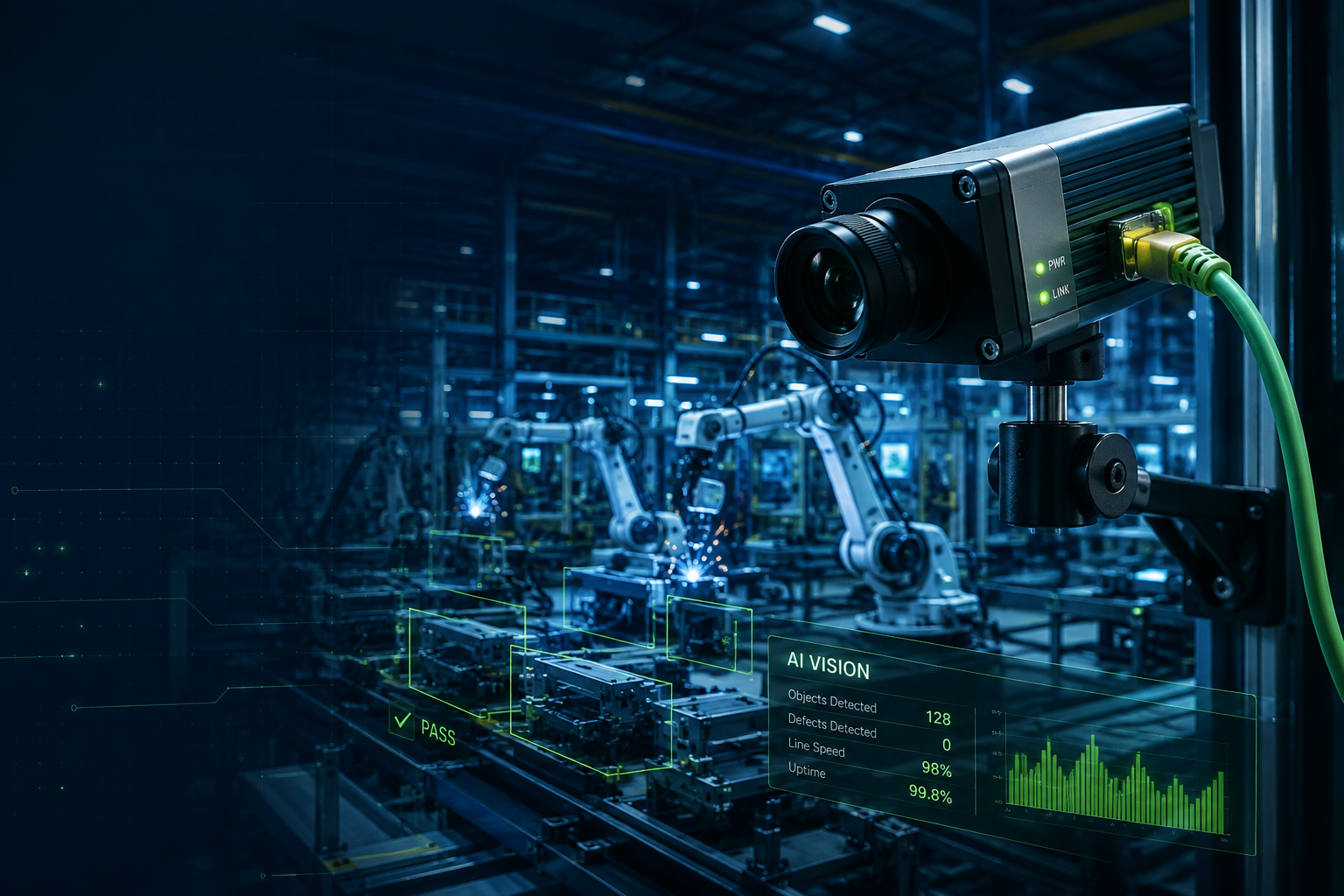
Those alerts depend on current market information and properly configured thresholds, while decisions about alternative components still require checks against technical specifications and qualification rules. Sourceability is separately introducing AI-assisted processes in sales, sourcing and logistics, including machine vision in distribution operations. The company has not yet published a productivity measurement attributable specifically to those systems.
Working capital is another element of the programme. Sourceability says it has increased financing capacity with Alterna to $100m to support inventory purchases and demand response. That facility is separate from the roughly $3m Singapore premises investment. Inventory finance can influence the distributor’s ability to acquire stock, while testing and warehouse capacity determine how efficiently the goods can be verified, stored and fulfilled. The company reports more than 350 employees across over 30 countries.
Singapore’s expanded receiving and dispatch space and Hungary’s larger testing laboratory are scheduled to become operational in 2027. Their commissioning will bring the new physical capacity alongside the company’s component distribution agreements and customer-specific monitoring tools. Actual changes in dispatch volumes, inspection turnaround and inventory availability will depend on the facilities’ installed equipment, staffing and operating arrangements.