Siemens Mobility and Lufthansa Technik Defense have signed a memorandum of understanding to develop a rail-based medical evacuation concept for more than 150 patients, including those requiring intensive care. Announced ahead of the Berlin Security Conference, the proposal combines Siemens passenger rail vehicles with configurable clinical equipment adapted from military aeromedical transport. It is intended for the German armed forces, NATO allies and civilian disaster response, with design and procurement decisions still to follow.
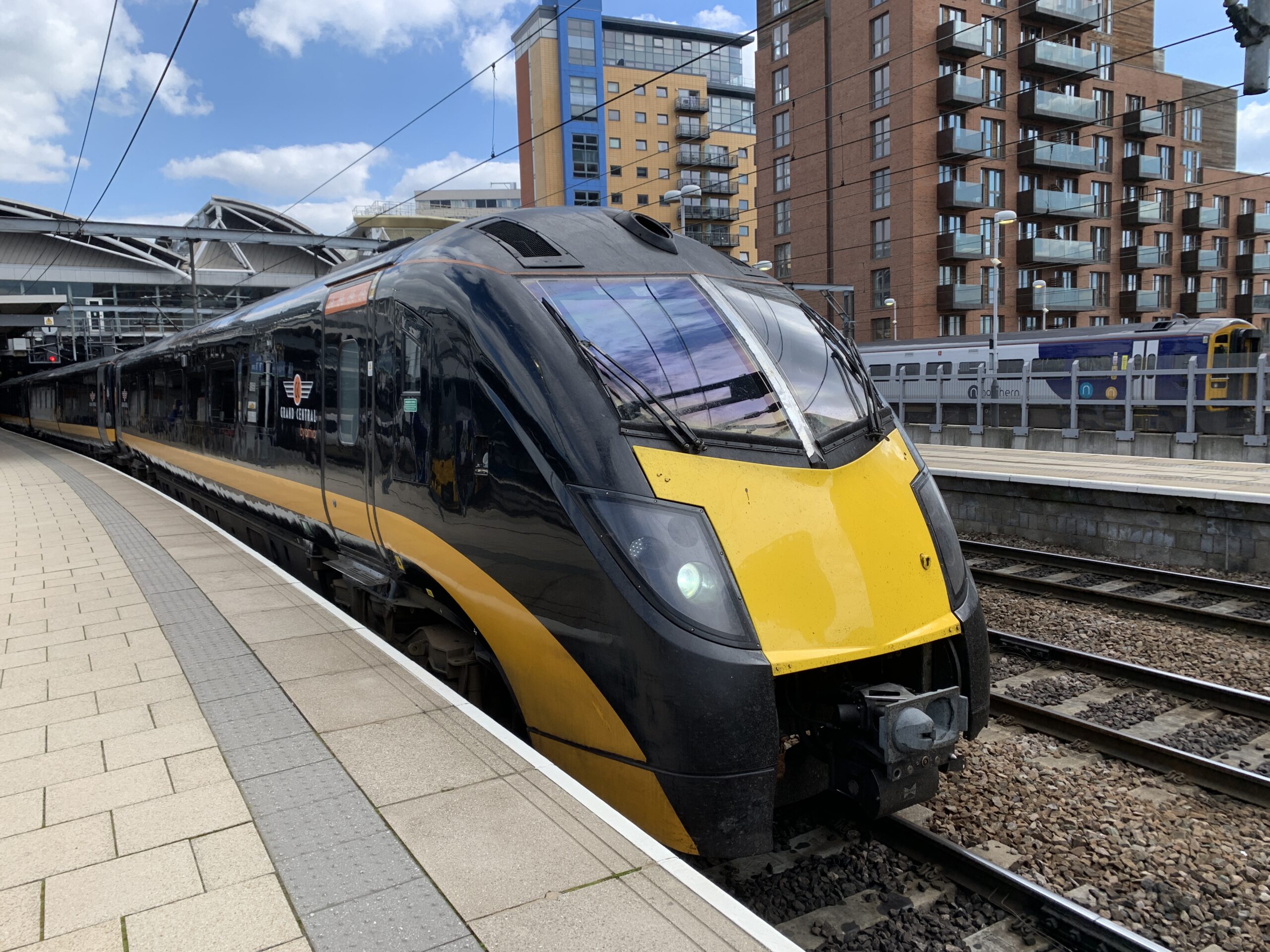
The design is based on Siemens Vectouro passenger coaches hauled by a Vectron X locomotive, with a dual-mode locomotive option intended to extend access to routes without available overhead electrification. Lufthansa Technik Defense would equip the coaches with medical transport systems, ranging from stretcher arrangements to intensive-care Patient Transport Units. The concept includes accommodation for up to 90 medical and support personnel, reflecting the staffing required when patients need treatment and supervision throughout a long journey.
Medical evacuation coaches require secure patient positions, continuous power for clinical equipment, access around treatment stations, space for supplies and a controlled route for loading casualties. Rail vehicle movement adds mechanical constraints around mounting devices and stabilising patients, while treatment staff need to reach equipment throughout a journey. Adapting established coaches and aeromedical modules offers a starting architecture, followed by detailed work to integrate the clinical systems with railway safety and operational requirements.
Siemens will provide the rolling stock platform, while Lufthansa Technik Defense contributes medical equipment and experience from airborne casualty transport. Its systems are already used by the German Air Force and other forces, including adaptations that allow the Airbus A400M to perform intensive-care evacuation roles. The rail concept is intended to use compatible patient transport equipment so that a patient could move between different modes of transport without necessarily being transferred out of the treatment bed.
Using compatible patient transport units across air and rail could reduce the number of times a patient must be moved from one clinical support system to another. Monitoring and medical equipment connections would have to remain stable through loading, unloading and changes in transport mode. The design and its operational procedures will require assessment together, particularly for intensive-care patients whose treatment must continue throughout a multi-stage evacuation.
Coaches could be configured for different levels of patient care, including NATO categories D1 to D4, with clinical support ranging from basic treatment to intensive care. Such flexibility also creates a planning requirement: a consist carrying a high proportion of intensive-care patients would need a different allocation of space, medical supplies and staff from one carrying larger numbers of less severely injured people. The modules must preserve secure patient positions and clinical access across those different configurations.
Established rail corridors could allow many patients to travel in one movement while clinicians work in dedicated spaces along the consist. The availability of those corridors would govern deployment: loading locations need suitable access, operating paths must be agreed, and receiving facilities must be prepared for onward transfer. Damaged track, restricted routes or loss of traction power could interrupt an evacuation, making infrastructure and alternative traction arrangements part of operational planning.
The proposed Vectouro coaches are pressure-tight and intended for cross-border European running. The companies also refer to Vectron X locomotives as a means of supporting interoperable operations over major routes. Cross-border capability involves both the rolling stock’s technical compatibility and permission to operate under the applicable national systems and rules. A train designed for European interoperability would still require the relevant operational approvals, route planning and coordination with infrastructure managers before a specific mission.
The option of a Vectron X Dual Mode locomotive adds diesel traction to electric operation, allowing movement on non-electrified lines or where overhead supply has failed. Such routes still require serviceable track and signalling, suitable loading locations and enough fuel for the journey. Vehicle choice would therefore be linked to the available network and the evacuation mission, while patient capacity would depend on the mix of stretchers, intensive-care units and support staff carried.
Vectouro coaches are also intended to be convertible between medical evacuation and conventional passenger service. The same rolling stock could therefore have different duties across its service life, with each change in configuration requiring equipment installation or removal, inspections and readiness checks. Siemens gives the proposed train a design life of more than 30 years and envisages adaptations as medical and rail specifications evolve.
Siemens contributes the rolling stock engineering and Lufthansa Technik Defense its aeromedical systems experience. Their MoU sets out development cooperation; no customer order, delivery timetable or train fleet size has been confirmed. Detailed engineering will have to establish the mounting, power, clinical and safety interfaces before the partners can offer a qualified configuration for military or civilian operators.