Hexagon has completed its acquisition of Waygate Technologies from Baker Hughes for an enterprise value of approximately $1.45 billion, extending the Swedish group’s industrial inspection business into non-destructive testing and maintenance markets. The deal completed with Waygate consolidated from 1 November 2026, following the previously agreed transaction.
Waygate develops industrial radiography, computed tomography, ultrasonic testing and remote visual inspection systems. It has approximately 1,500 employees across 25 locations and generated revenue of roughly $630 million in 2025. The business now sits within Hexagon’s Manufacturing Intelligence area, alongside measurement, metrology and software technologies already used in manufacturing quality control.
Industrial computed tomography creates a three-dimensional representation of an object from multiple X-ray projections. The reconstructed volume can reveal internal geometry, voids and inclusions that conventional surface measurement cannot capture. This makes the technique useful when a component’s acceptance criteria depend on both its external dimensions and features hidden inside the material.
Hexagon plans to bring Waygate’s CT systems together with its Volume Graphics software and dimensional metrology portfolio. A reconstructed volume can then be examined alongside dimensional measurements, connecting internal material conditions with geometry in a quality assessment. Castings and additively manufactured parts can contain discontinuities beneath an acceptable exterior, making this combined inspection route more useful than surface measurements alone.
CT data can support dimensional comparison, wall-thickness measurement and assessment of internal discontinuities, provided the scanning set-up offers sufficient resolution and the material can be penetrated by the X-ray system. Component size, density, acquisition time and the particular defect being sought determine whether CT is the appropriate technique for a production environment.
Waygate’s radiography equipment extends the inspection choices to situations where two-dimensional images can establish the presence and location of defects without reconstructing a full volume. Ultrasonic testing uses sound waves travelling through a material and records returning signals from interfaces or discontinuities. The relevant approach depends on the inspection geometry, access, material behaviour and applicable acceptance standard.
Remote visual inspection, another major part of Waygate’s portfolio, is used to observe surfaces or internal spaces that are difficult to reach directly. Industrial borescopes allow technicians to inspect accessible cavities in machinery without necessarily dismantling the whole asset. The inspection may reveal damage or wear, after which other measurements and maintenance decisions can establish whether the equipment is fit to remain in service.
Inspection results collected during manufacture can be compared with evidence gathered later in an asset’s service life, provided each component is identified consistently and the records are compatible. Hexagon can now support dimensional measurement, internal flaw assessment and subsequent maintenance inspection through a broader range of instruments and software. Customers will determine how those results are connected within their quality and asset systems.
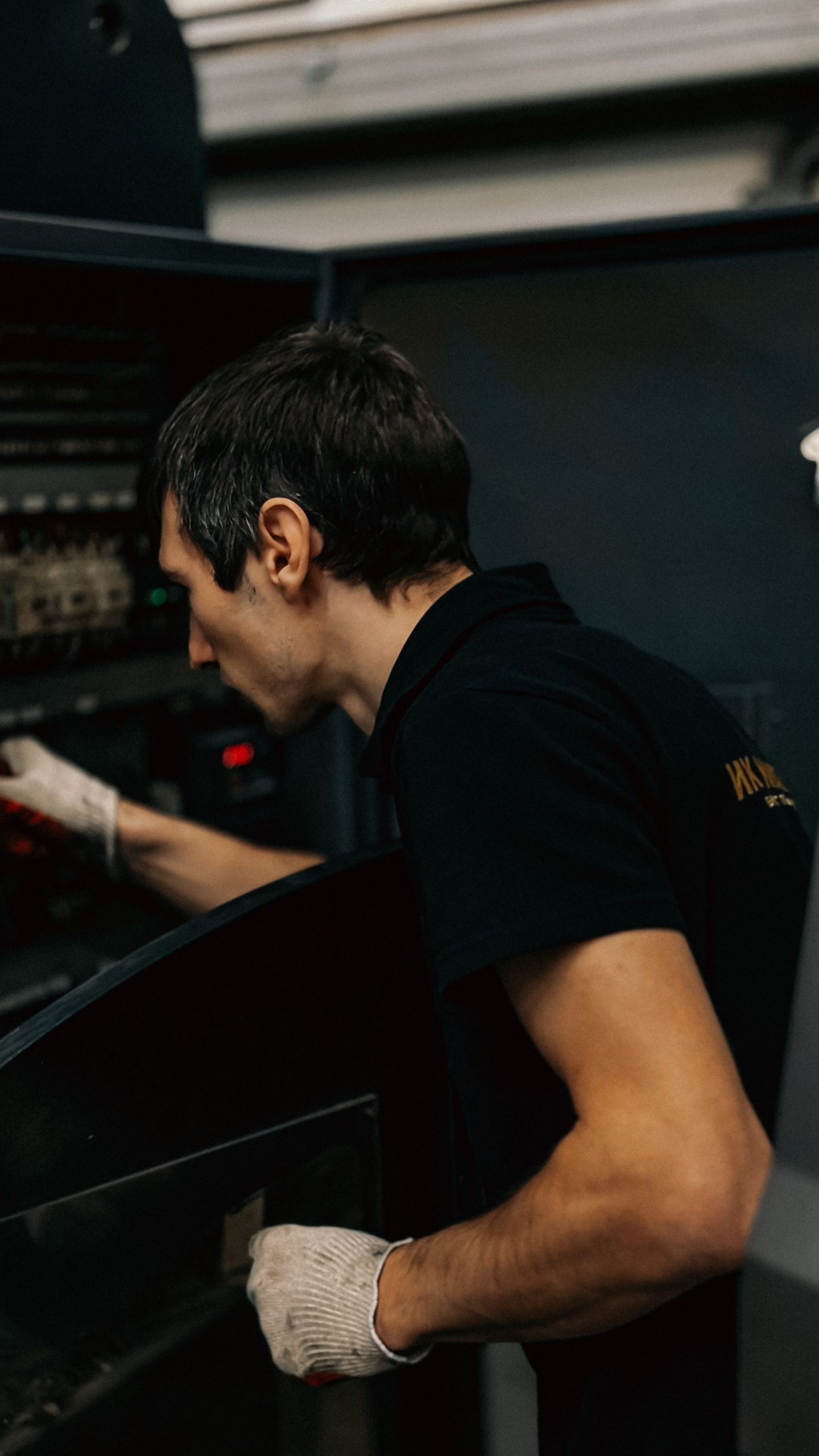
Waygate also brings inspection systems used in machinery overhaul and maintenance, taking Hexagon further into activities conducted after equipment has entered service. A borescope survey may help decide whether machinery requires disassembly, while ultrasonic or radiographic testing may be chosen for a specific defect or material. Access arrangements, qualified operators and the applicable inspection standard continue to govern which method is appropriate.
The acquired business starts from a lower margin than Hexagon’s existing Manufacturing Intelligence portfolio. On a pro forma 2025 basis, Hexagon estimates dilution of approximately 300 basis points for Manufacturing Intelligence and 150 basis points for the group. Management aims to move Waygate towards Manufacturing Intelligence’s target EBITAC margin of 21% to 24% through operational changes, localised manufacturing, cross-selling and potential portfolio adjustments.
Integration will also require the separation of Waygate’s functions from Baker Hughes. Hexagon estimates transaction, carve-out and integration expenditure of about €50 million, reflecting the work needed to establish standalone support arrangements and align operations. The company is planning changes to its operating model alongside the product and commercial integration.
The $1.45 billion enterprise value is being financed from cash and existing debt facilities. Hexagon estimates pro forma leverage at around 1.4 times net debt to EBITDA using third-quarter 2026 figures and including other specified transactions. The financial commitment brings a substantial installed base and service network into the group, while integration of inspection data and software will take place through subsequent customer and product programmes.
The company’s recent HYPERSCAN SR introduction addressed portable surface inspection, a different technical application from Waygate’s X-ray, ultrasonic and remote visual systems. With the Waygate acquisition completed, Hexagon can offer manufacturers a larger selection of complementary inspection methods rather than a single universal inspection process.
Integration of Waygate’s instruments, software, installed customer base and service arrangements will continue under Manufacturing Intelligence. Hexagon has gained CT, radiography, ultrasound and visual inspection technologies for use from production to overhaul; demonstrating the value of the acquisition will depend on delivering connected inspection workflows and the planned operating improvements.