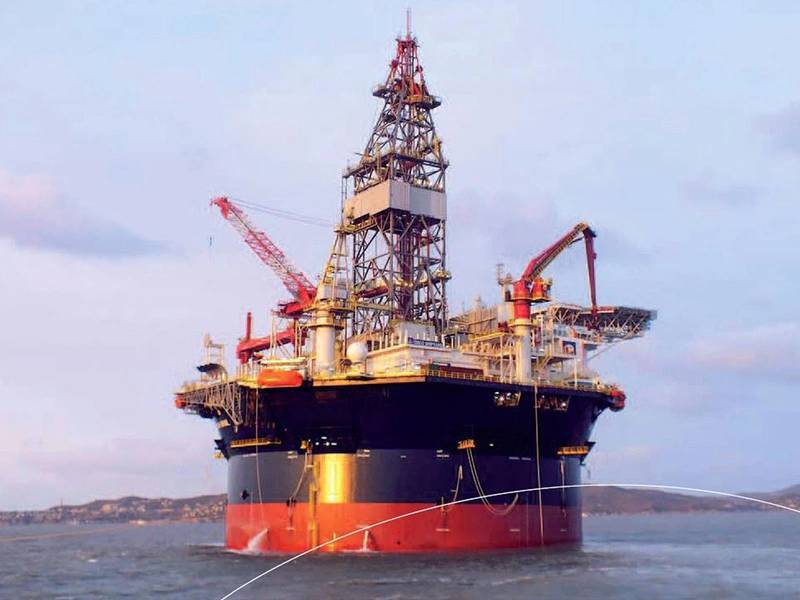
Seatrium and Keppel subsidiary RigCo have agreed an offshore rig completion programme with an estimated total contract value exceeding S$500 million. The four existing assets comprise a seventh-generation drillship, a harsh-environment jack-up and two mid-water semisubmersibles intended for demanding North Sea conditions. Announced on 26 October, the work falls under an established master services arrangement and will be financed from cash held by RigCo.
The drillship is scheduled for delivery to RigCo in 2027, followed by the jack-up in 2028. Plans for finishing the two semisubmersibles remain under assessment, so their construction sequence and handover dates have not been confirmed. The stated value is an estimate covering the overall four-unit programme, rather than evidence that each vessel has a fully defined scope and delivery commitment.
RigCo retains ownership of the vessels and intends to position completed units for charter opportunities. Keppel also envisages potential disposals through its Offshore Fund, part of a wider programme to realise value from offshore rigs left unfinished or retained through earlier market cycles. Neither the expected charter customers nor the terms of future sales have been announced. Completion work must first turn the unfinished assets into equipment suitable for acceptance and deployment.
The drillship combines marine propulsion, station-keeping systems, derrick and hoisting equipment, drilling fluid circulation, well control and onboard power. Finishing the asset involves integrating electrical and mechanical systems with the existing hull, then testing alarms, shutdown arrangements and performance under the intended operating conditions. The companies have not disclosed a detailed equipment list for the outstanding work, so particular upgrades or repairs cannot yet be treated as contracted.
The jack-up requires a different set of structural and mechanical checks. Once its legs are lowered to the seabed, jacking machinery lifts the main hull above the water, making leg strength, locking systems, load distribution and site conditions central to operation. Semisubmersibles maintain a floating configuration and depend on ballast control, stability, mooring or position-keeping equipment. The different designs make a common headline contract value a poor guide to the engineering hours required for any single unit.
Marine completion work can expose equipment that has been installed or stored for years to new inspection and acceptance requirements. Electrical insulation, hydraulic circuits, pressure-containing systems, corrosion protection and control software may need functional checks before integration tests begin. Preservation records, equipment manuals and current certification criteria have to match the final configuration; the announcement does not specify how much refurbishment is necessary on each vessel.
Seatrium’s role builds on substantial marine engineering and integration expertise in Singapore, where offshore vessel construction typically involves numerous equipment suppliers and specialist contractors. Bringing partly completed assets to operational condition requires more than finishing visible fabrication. Electrical systems, machinery alignment, pressure systems, emergency equipment, instrumentation and commissioning documentation all need to be reconciled with the final operating configuration before delivery.
The commercial decision to resume completion follows a prolonged period of restricted offshore newbuild investment and the retirement of older drilling assets. Operators considering a rig for a new campaign weigh day rates and project duration against mobilisation, maintenance and remaining service life. RigCo is seeking to make selected assets available as demand improves, while accepting the capital and execution risk associated with completing them before a charter is secured.
Existing construction also creates interface risks. Components manufactured at different times may require inspection, preservation work or updated control systems before final integration. Engineering teams must establish the condition of stored equipment and verify that installed machinery and documentation match the intended certification basis. None of those tasks has been individually specified by the companies, so they remain normal completion considerations rather than an asserted list of new contractual deliverables.
RigCo’s retained cash is the stated funding source, so the companies have not described the arrangement as new equity financing or a government-backed construction programme. They have also provided no breakdown of contract value by fabrication, installed equipment, testing or individual vessel. Labour requirements and the distribution of work among Seatrium’s facilities and suppliers remain unquantified; published spending forecasts should not be converted into job or throughput claims.
Handover of the drillship in 2027 and the jack-up in 2028 will provide the first delivery tests of the programme. The two semisubmersibles are still at a construction planning stage. Before any unit enters drilling service, its installed systems will need commissioning and the relevant marine and offshore acceptance processes, followed by a commercial charter or other deployment arrangement.