By Harpreet Gulati, SVP – Head of PI System Business at AVEVA
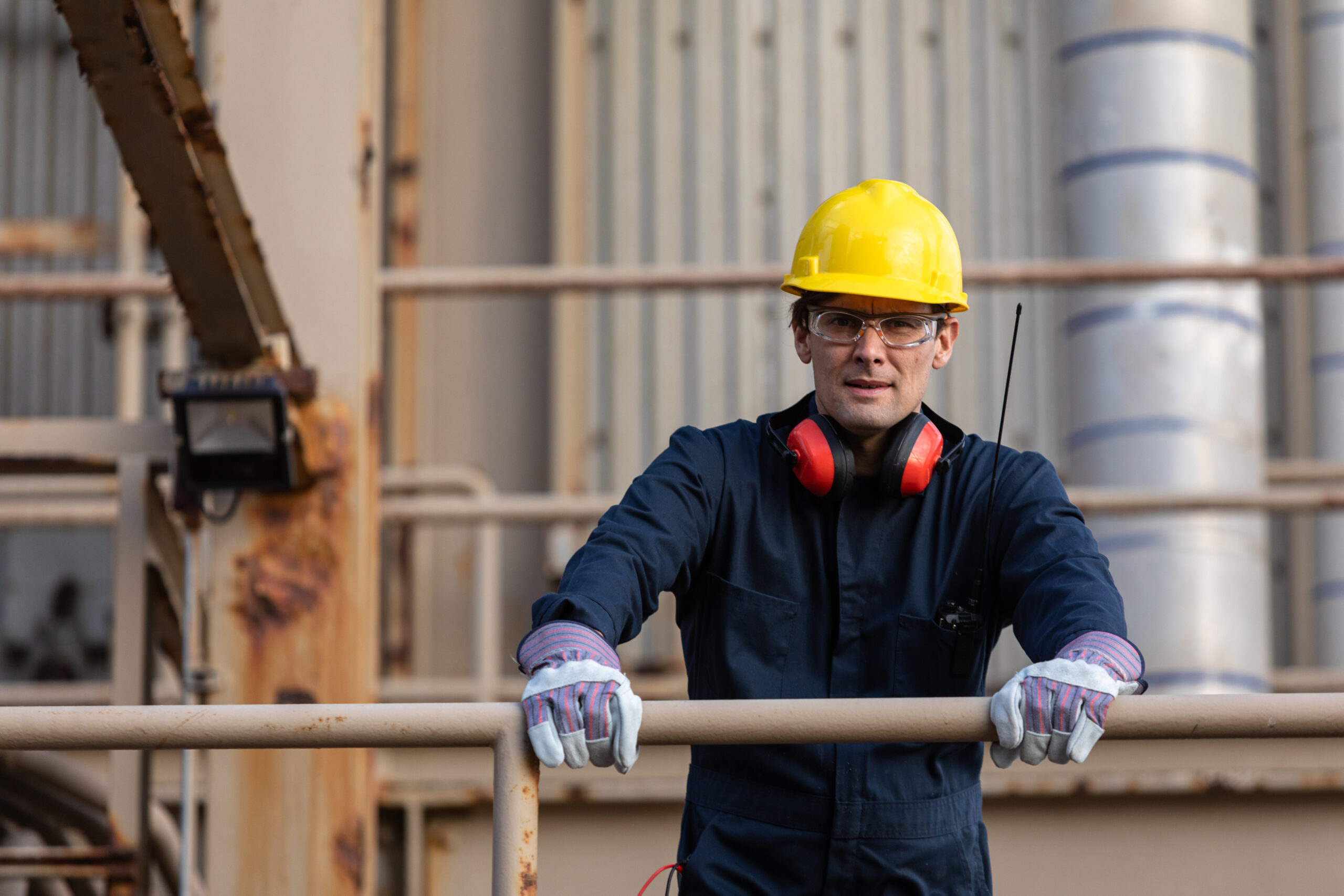
An industrial operator at an energy infrastructure plant in Malaysia recently told me how she spent a large portion of her day reconciling datasets across two screens. An asset may appear in a 3D engineering model with one tag, for example. But on a parallel SCADA system, the same equipment may be labelled differently. Her job involves sifting between the two directories and correlating the different assets, tag by tag, system by system. It’s essential but repetitive, the kind of grunt work artificial intelligence (AI) is becoming good at fixing.
Certainly, the vast majority (96%) of organisations that invest in AI report productivity gains from the technology, according to EY. But AI is only as good as the underlying data, and it only posts significant gains when models can understand the context and relationships between siloed datasets.
That’s where industrial data operations comes in. The tool connects real-time operational signals from IIoT sensors, SCADA systems and operator HMIs into a live operational picture—or digital twin—of events across an industrial network. Such an end-to-end view provides the context that AI and humans need, helping forecast asset behaviour, strengthen operational efficiencies and support faster, better-informed decisions with plain language reasoning.
AI as translator, to augment human capability
In practice, the industrial operator in Malaysia no longer needs to manually stitch together engineering drawings and HMI reports. Instead, with a digital twin of the asset—in this case a floating production, storage and offloading unit operated by Yinson—she can focus on what that data is telling her and act on it immediately. For example, she can investigate and head off a potential issue, which industrial AI flags based on current and historical conditions.
What’s changed is the contextualisation and interoperability across data silos. A loose collection of connected devices now becomes a usable IIoT environment. Industrial AI simply scans the different datasets and suggests how they relate, with humans confirming or correcting the results. Even a 20-40% reduction in manual mapping can deliver meaningful savings for project work, resulting in shorter time to value.
Here, AI plays helper and translator. Operators can simply ask questions and obtain answers in plain language without diving into historian trends and tags. This kind of augmentation is just one way that AI will restructure industrial roles, with BCG forecasting that half or more of all jobs in the US likely to be reshaped by the technology. As AI does the heavy lifting, humans can focus on judgement calls instead of routine repetition—although comprehensive training and organisational culture programmes are essential to avoid pressure on operators to grasp new tools quickly.
Network-wide digital transformation
Once industrial data ops and AI are translating between systems, this shared operational picture also supports macro-level changes, such as shaping how plants and networks respond when conditions change.
Continued uncertainty is the top business threat for nearly half of all industrial CEOs, according to a Conference Board survey. With industrial data operations and AI working together in this new normal, uncertainty—and potential mitigating action—becomes visible across the entire network. From shopfloor to top floor, business teams can then take higher-level decisions about which plants to lean on, how to reroute production facilities, where to add new flexibility, and how today’s decisions could embed future resilience. Current forecasting tools now support that production agility, even across a wide network.
Agropur experienced this firsthand when it integrated fragmented systems from across 29 factories, including several acquired facilities, into a single window. The North American dairy processor recognised how its operational sprawl and legacy structures were limiting growth and market innovation on the manufacturing line. A phased digital transformation was its path to ensuring continued business relevance.
Engineering data from the automation layer was funnelled into operational and IT systems, enabling real-time tracking and centralised analytics. Transitioning to a hybrid cloud platform enabled secure, company-wide analytics and reporting: operators could track asset utilisation and downtime, leadership benefited from actionable insights supported by real-time metrics. This robust data infrastructure has also improved overall equipment effectiveness, while unified visibility and standardised KPIs have enhanced agility and flexibility while setting the stage for AI-driven optimisation. Agropur’s teams can now respond to market trends more quickly, shifting production capacity across plants and shortening time to value. This means the company’s 29 sites behave more like a single, flexible factory.
Operational foresight for energy security
When industrial systems speak the same language, intelligence becomes operational foresight.
Energy markets are under similar if not greater pressures. The sector must respond to energy needs in the face of geopolitical disruption and growing demand from new business sectors, including data centres. The design and build of new power generation and transmission systems—whether to produce renewables or for AI mega-factories—is now a central concern.
The same portfolios used for process plants can be applied to design these new facilities, run AI‑based clash detection on pipework and electrics, and then monitor and optimise HVAC systems and power flows once the facilities are live. In effect, each energy production centre becomes a dense IIoT node on the grid, with its internal devices and systems tied into a wider data operations layer.
The data centre company Equinix, for example, shows how AI-enabled digital twins help keep industrial operations running sustainably as demand and energy conditions evolve.
End-to-end visibility for strategic support
At the centre of these developments are human operators like our Malaysian engineer. With an integrated industrial IIoT platform, operators like her see richer context and obtain AI‑assisted guidance inside tools they already know.
Relying on industrial AI and end-to-end data visibility enables her to focus on strategic, higher-level roles, going from something she must reckon with to a dependable collaborator she can rely on to keep critical systems going.