Airbus expects the global market for commercial aviation services to more than double by 2045, reaching an estimated annual value exceeding $420 billion as aircraft fleets expand and maintenance requirements increase. Its latest Global Services Forecast projects annual market growth of 3.8% between 2026 and 2045, creating demand for additional engineering facilities, specialist equipment and aviation personnel.
The forecast anticipates a worldwide fleet of 45,550 commercial aircraft by 2045, accompanied by annual passenger traffic reaching approximately ten billion. Airbus estimates that the industry will require 2.44 million additional personnel over the period, including 730,000 maintenance technicians, 660,000 pilots and 1.05 million cabin crew.
Off-wing maintenance accounts for the largest projected services category, reaching $217 billion annually by 2045. The segment includes the repair and overhaul of engines and other major components removed from aircraft, together with the material and specialist support required to return equipment to an acceptable operating condition.
Growing maintenance demand creates requirements across a manufacturing and engineering supply chain that extends beyond aircraft assembly. Engines, landing gear, actuators and other assemblies contain components subject to repeated loading, temperature changes and wear, requiring inspection and repair throughout their operating lives.
The maintenance programme for an aircraft depends on its design, utilisation and approved inspection requirements. Operating conditions affect how rapidly particular components deteriorate, while mandatory life limits and inspection schedules determine when certain equipment must be removed or examined.
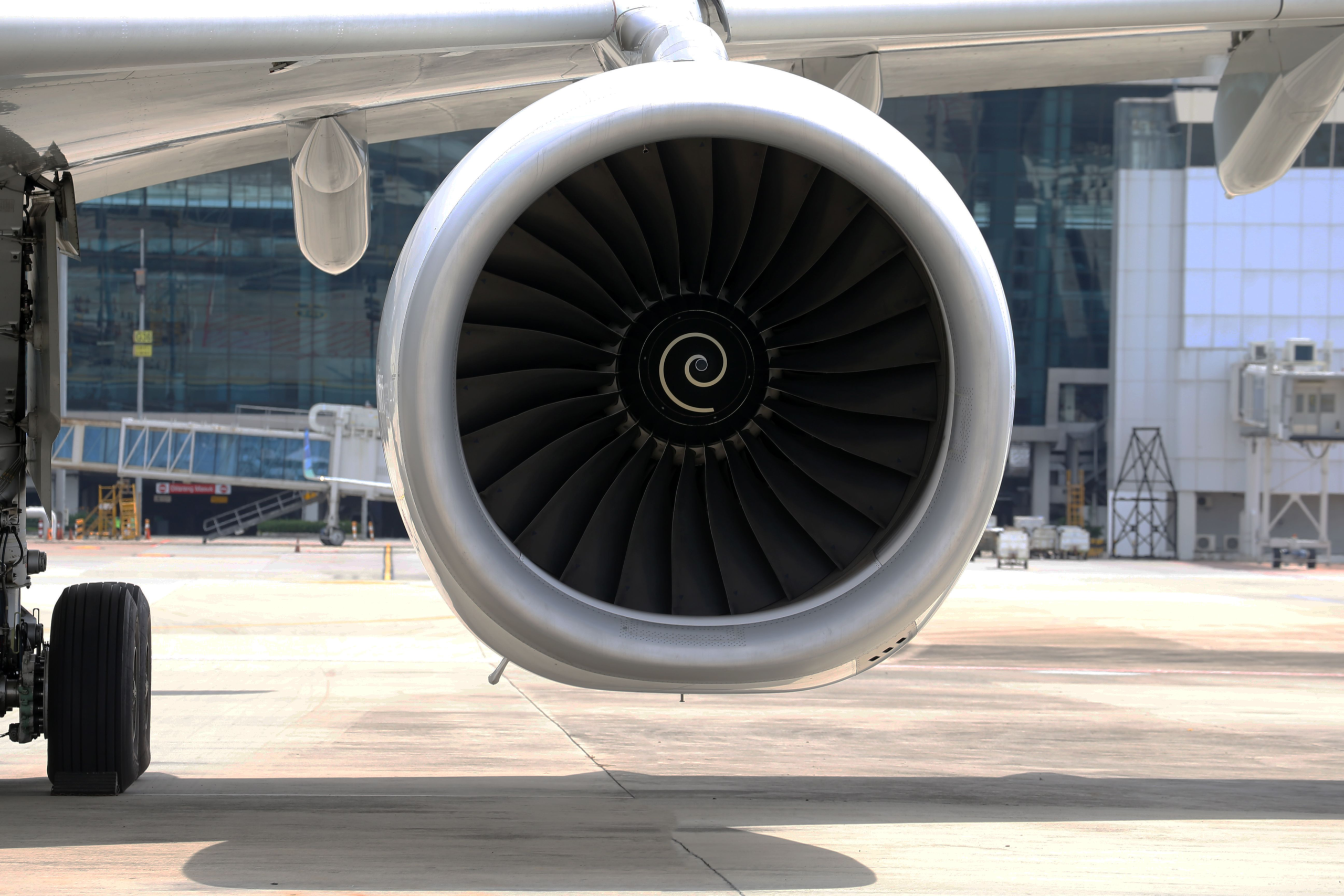
Engine overhaul illustrates the industrial work involved. A major shop visit can require an engine to be removed from an aircraft, dismantled and inspected before damaged or life-limited components are repaired or replaced. Reassembly and testing must establish that the equipment satisfies the requirements for its return to service.
The work depends on specialist machinery and qualified processes. Components exposed to high temperatures or mechanical stresses may require non-destructive examination, dimensional inspection and repairs carried out using approved methods. Some parts can be restored within permitted limits, while others must be replaced.
Material availability is therefore a significant constraint on maintenance throughput. A workshop may possess the required technical capability but be unable to complete an overhaul until a suitable replacement component becomes available. Aircraft operators and maintenance providers must coordinate parts inventories, inspection capacity and the schedules under which equipment is removed from service.
Airbus expects its Maintenance Operations Support category to reach $104 billion annually by 2045, growing at 4.3% a year. This segment covers activities including engineering assistance, material supply and inventory services that support continued aircraft airworthiness and reliability.
Those services connect the physical maintenance process with procurement and asset management. Components must be correctly identified and supplied with the documentation required for their intended use, while maintenance organisations need access to the tools, technical instructions and personnel necessary to complete the work.
Traceability remains essential because a part’s suitability cannot be established from appearance alone. Its identity, manufacturing history, applicable modifications and previous maintenance can affect whether it may be installed on a particular aircraft or assembly.
Controlling that information becomes more complex as fleets grow and components move between aircraft, operators and maintenance facilities. Accurate records support decisions about inspection intervals, permissible repairs and remaining service life, while reducing the risk of unsuitable material entering an aviation maintenance operation.
On-wing maintenance is forecast to reach $36 billion annually by 2045. The segment covers activities performed while major equipment remains installed on the aircraft, from inspections and routine servicing to more extensive maintenance that can be completed without transferring an assembly to a separate overhaul facility.
These operations require suitable hangar or apron access, ground support equipment and qualified technicians. Their timing also depends on aircraft availability, with airlines planning work around operating schedules and the need to return aircraft to service.
Digital services and connectivity represent the fastest-growing category in the forecast, increasing at 5.3% annually to $27 billion by 2045. Airbus expects operators to make greater use of connected aircraft information and digital systems to support maintenance planning and operational performance.
Aircraft systems generate substantial quantities of operating data, including information about equipment behaviour and recorded faults. Analysis can help identify abnormal patterns, support troubleshooting and inform decisions about when maintenance should be planned.
The reliability of those decisions depends on the information available and the relationship between measured conditions and actual component health. A change in a sensor reading may indicate deterioration, but it may also reflect the conditions under which the equipment was operating. Diagnostic systems need to distinguish between those possibilities before information can support an engineering decision.
Predictive tools consequently supplement rather than replace approved maintenance procedures. Their value lies in providing evidence that can help operators prepare materials, allocate technical resources and investigate developing problems while continuing to satisfy applicable airworthiness requirements.
Modifications and upgrades form a separate services category, forecast to reach $21 billion annually. Aircraft can remain in operation for many years, during which operators may introduce new cabin equipment, communications technology or other systems to meet evolving operating and passenger requirements.
Retrofitting equipment requires engineering work to establish compatibility with the existing aircraft configuration. Structural attachments, electrical loads, system interfaces and certification requirements all influence whether a modification can be installed and how it must subsequently be maintained.
Airbus also projects a $17 billion annual training market by 2045. Its estimate of 730,000 additional maintenance technicians covers cumulative workforce requirements over the forecast period, rather than vacancies already available in the industry.
Developing that workforce requires technical education, practical experience and the qualifications appropriate to individual maintenance activities. Investment in new workshops or equipment will provide limited additional capacity where organisations cannot recruit or develop the personnel needed to use those facilities.
Regional demand is expected to remain concentrated in Europe and the Commonwealth of Independent States, North America and China, while Asian markets are forecast to record some of the strongest growth. The distribution of maintenance activity will depend on fleet development, investment in specialist facilities and the ability of regional suppliers to meet operator requirements.
The forecast covers the wider commercial aviation industry, including qualifying passenger aircraft and larger freighters. Its projected $420 billion market value is not Airbus revenue or an announcement of contracted orders for the aircraft manufacturer.
Airbus is expanding its own aircraft services activities, but the industry-wide growth envisaged in the forecast will require investment by operators, independent maintenance providers, component manufacturers and training organisations. Whether the projected demand can be served will depend on the capacity of those interconnected businesses to provide qualified engineering work, material support and skilled personnel as the commercial aircraft fleet grows.