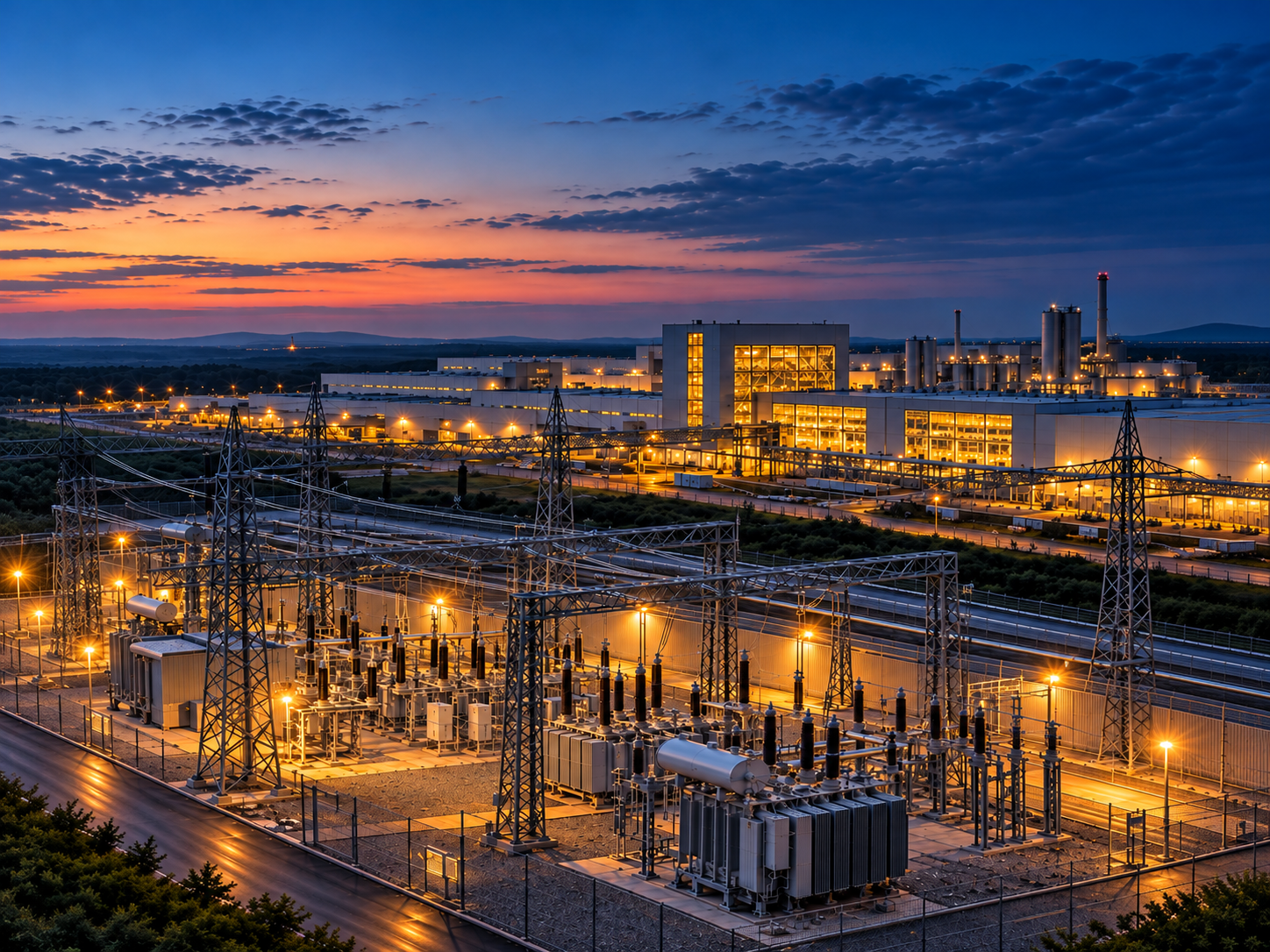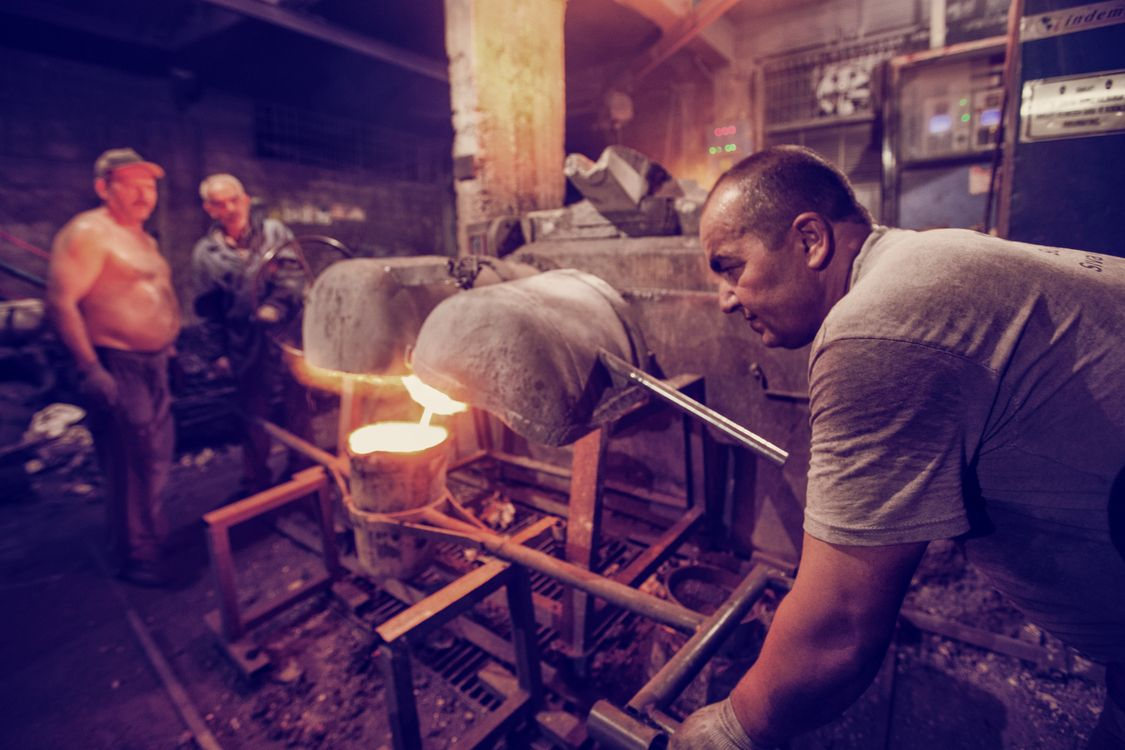
HyProMag’s rare-earth magnet recycling and manufacturing plant in Pforzheim, Germany, has been designated a Strategic Project under the European Union’s Critical Raw Materials Act. Parent company Mkango Magnetic Materials announced the status on 9 October 2026. The designation recognises the plant’s potential contribution to European access to critical materials, but does not mean that the factory is already operating at its planned commercial production rate.
The Pforzheim operation is currently being commissioned. Mkango says its initial planned capacity is approximately 100 tonnes a year of neodymium-iron-boron magnets and alloys. The company expects capacity could increase to around 350 tonnes with multiple shifts, while a further expansion to a targeted 750 tonnes is under evaluation. These are three distinct capacity positions and should not be described as present output.
The European Commission’s Strategic Project designation recognises the Pforzheim rare-earth magnet recycling and manufacturing project within the Critical Raw Materials Act framework. Mkango’s announcement also states that commissioning is under way. It does not say that all planned production capacity has been reached, that customer qualification is finished or that all potential financing has been secured. These milestones require separate evidence.
Recycling finished magnets is technically more complicated than separating general metal scrap. Feedstock can vary by product, composition, coating and contamination. It may arrive embedded in larger assemblies and require dismantling, sorting and material preparation. Maintaining a consistent product specification through subsequent processing is important if the recycled output is to be accepted by manufacturers that need predictable magnetic properties.
HyProMag uses hydrogen processing of magnet scrap, often referred to as HPMS, a technology developed at the University of Birmingham. The process is intended to help recover magnet materials from end-of-life equipment. Technical recovery is only one part of commercial production, however. The company must also demonstrate reliable feedstock sourcing, material quality, customer qualification and repeatable operation at its proposed capacity.
The factory has an industrial development history preceding the October decision. Mkango disclosed commissioning activity earlier in 2026 and said the plant was formally opened in April. The 9 October news is therefore the new EU strategic designation, not the opening of a newly constructed factory or the first-ever announcement of recycling capacity.
Strategic Project status reflects a policy decision within the Critical Raw Materials Act framework. It can support the project’s standing in efforts to secure domestic and diversified supplies, but the company remains responsible for executing commissioning and building a commercially viable customer base.
Mkango reports ongoing discussions with prospective customers for recycled alloy powder and magnets. Market qualification is likely to matter as much as nominal production capacity. Manufacturers using magnets in demanding applications need evidence of chemical composition, magnetic performance, batch consistency and appropriate quality assurance before substituting new supply into established products.
The Pforzheim plant is one of several Mkango projects with EU strategic status. The company identifies the Songwe Hill rare-earth mining project in Malawi and a separation project in Puławy, Poland, as earlier designations. Those assets address different stages of the materials value chain and are not equivalent to an operating German magnet recycling line.
A European magnet supply chain may involve collection, disassembly, recovered feedstock, processing, alloy production and finished magnet manufacture across multiple facilities. Disruption or insufficient capacity at any stage can constrain the wider system. Recycling capacity within Europe could improve resilience only if these activities connect at practical volumes and with commercially acceptable costs.
Reported potential expansions should also be assessed in context. Increasing from an initial 100-tonne rate to 350 tonnes by operating multiple shifts involves labour, maintenance, quality and upstream feedstock requirements. Reaching a possible 750-tonne annual capacity would require further investment and successful commissioning of additional capability. Mkango expressly describes that stage as under evaluation.
The confirmed milestone is the strategic designation alongside ongoing commissioning at Pforzheim. Subsequent reporting will need to establish actual tonnes produced, how much material meets customer requirements, and whether the business can sustain production at its stated initial rate before further capacity is treated as delivered. It will also matter how much magnet feedstock is recovered from end-of-life equipment rather than originating in other material streams. Companies purchasing the output will be interested in consistency, chemical analysis, the documentation accompanying each batch and the predictable availability of material across successive manufacturing runs. Those indicators provide a more practical measure of industrial resilience than permitted or proposed plant capacity alone.