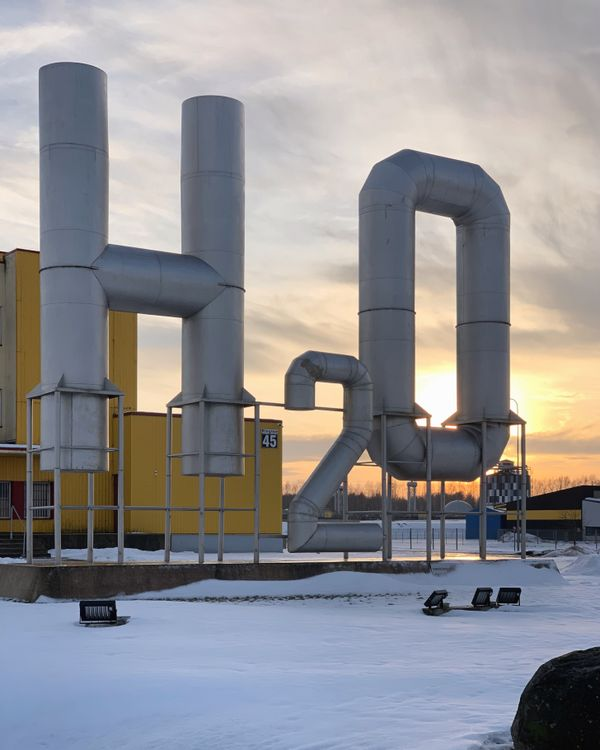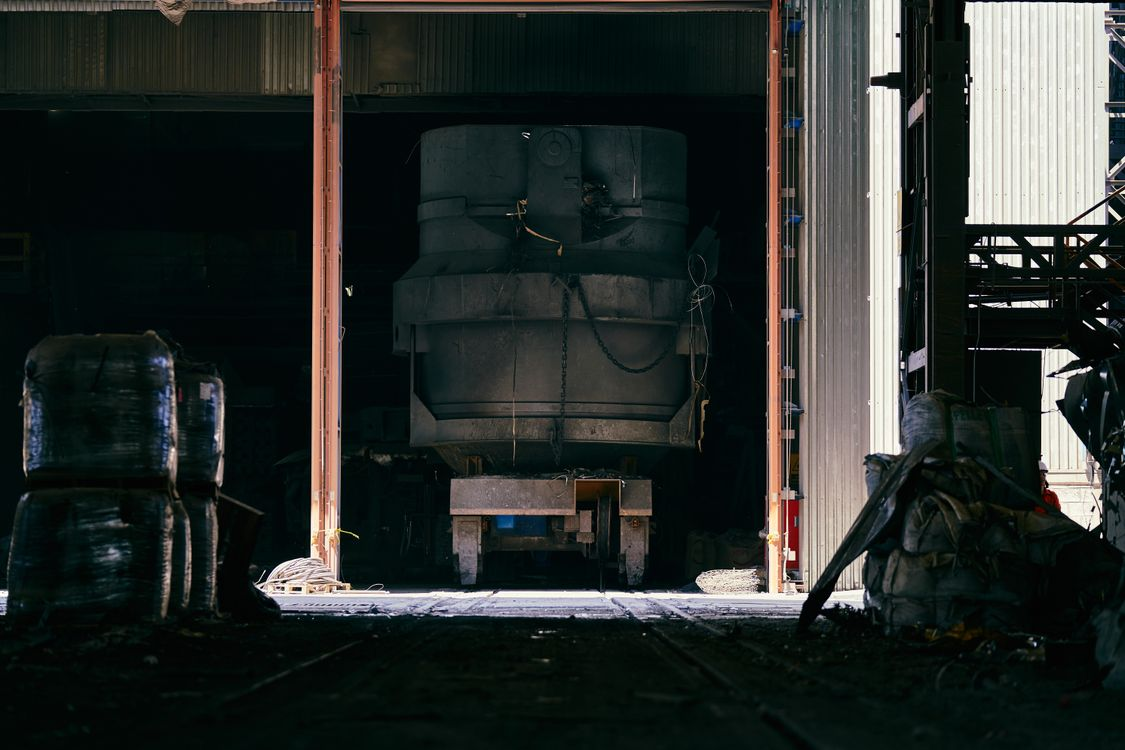
Danfoss has inaugurated a 22,500-square-metre production facility in Tuchom, near Gdańsk, Poland, combining advanced metal processing, assembly and testing for heavy-duty thermal interface equipment. The plant officially opened on 8 October and was announced the following day. According to the company, its annual production capacity is approximately 8,000 heavy-duty stations, with the potential to double production at the new site.
The plant currently employs around 250 people and has room for a workforce of up to 500. Those figures describe present staffing and potential employment capacity respectively; they should not be combined into a claim that an additional 250 jobs have already been created. Danfoss says the facility supports district energy and data centre markets, including demand for prebuilt units that control, measure and transfer thermal energy.
Heavy-duty interface stations sit between parts of a heating or cooling network. They may combine heat exchangers, valves, pumps, controls, sensors and associated pipework in a manufactured assembly. Producing such equipment as a tested unit can shift work from the construction site to the factory, where components can be assembled to a repeatable specification and examined before shipping.
Danfoss reports inaugurating its 22,500-square-metre factory at Tuchom, Poland, on 8 October. The company states a capacity of approximately 8,000 heavy-duty thermal interface stations a year and describes the plant’s advanced manufacturing and testing functions. That is the disclosed capacity, not independently measured completed output for 2026. Future production volumes and employment will depend on orders and operational ramp-up.
Danfoss reports that more than 19,000 square metres of the site are dedicated to production, warehousing and technical space. Nearly 3,500 square metres are allocated to offices and social areas. The layout brings manufacturing and supporting functions into one facility, an arrangement that can simplify movement of partly completed equipment and coordination between engineering, production and quality teams.
Metal processing is significant for a product category built around fluid-handling systems. Weld integrity, dimensional accuracy and component traceability affect whether a finished station can meet required operating conditions. Assembly practices and test documentation are similarly important, because finding a defect after installation can require service disruption or costly access work in a live building or energy network.
The site will also function as a centre of excellence for data centre solutions and a showroom for original equipment manufacturer customers. That creates a connection between factory output, product development and demonstrations. Data centre thermal systems are receiving greater attention as facilities accommodate high-density computing equipment and more demanding cooling requirements.
District energy creates a different but related market. Centralised heat networks need reliable equipment for transferring thermal energy between distribution systems and individual buildings or industrial users. Increasing the availability of packaged interface stations may help project developers procure equipment consistently, although the timing of new installations will still depend on infrastructure works, planning and commissioning at each site.
Danfoss says the Tuchom investment builds on 15 years of operation at the location and coincides with its 35th anniversary in Poland. That established local presence provides a different context from a first investment in an unfamiliar market. Existing personnel, suppliers and operational knowledge can support an expansion, but the manufacturer will still have to manage the transition to the larger integrated facility.
The company describes approximately 8,000 units annually as the present stated production capacity and indicates the potential to double that output. Doubling capacity is a possibility, not a confirmed production achievement. Actual output will depend on product mix, labour availability, equipment utilisation, order intake and the complexity of particular customer configurations.
From a supply-chain perspective, a larger plant creates demand for metals, machined components, control equipment and testing services. Traceability across those inputs is essential where systems are installed in critical buildings and energy networks. Customers may also require documentation demonstrating compliance with applicable technical specifications before equipment can be released for installation.
The opening provides a tangible manufacturing milestone: a completed factory with defined production functions, staffing and declared annual capacity. Future evidence of success will come from delivered and commissioned stations, customer demand and whether Danfoss can expand throughput without compromising test quality or delivery reliability. The commissioning of customer equipment also involves documentation and interfaces beyond the factory gate: each site must integrate the station into its own pipework, controls and operational safety arrangements. It would be premature to infer that the new factory has directly accelerated any named district heating project without accompanying customer delivery evidence.