French computing infrastructure developer Sesterce has proposed investing more than €10 billion at the former Kaipola paper mill in Jämsä, Finland, to develop a campus for artificial intelligence computing. The initial phase is designed around 200 MW of capacity, with a potential expansion to 600 MW. Construction is proposed to begin during 2026, subject to the engineering, commercial and regulatory steps required to deliver the development.
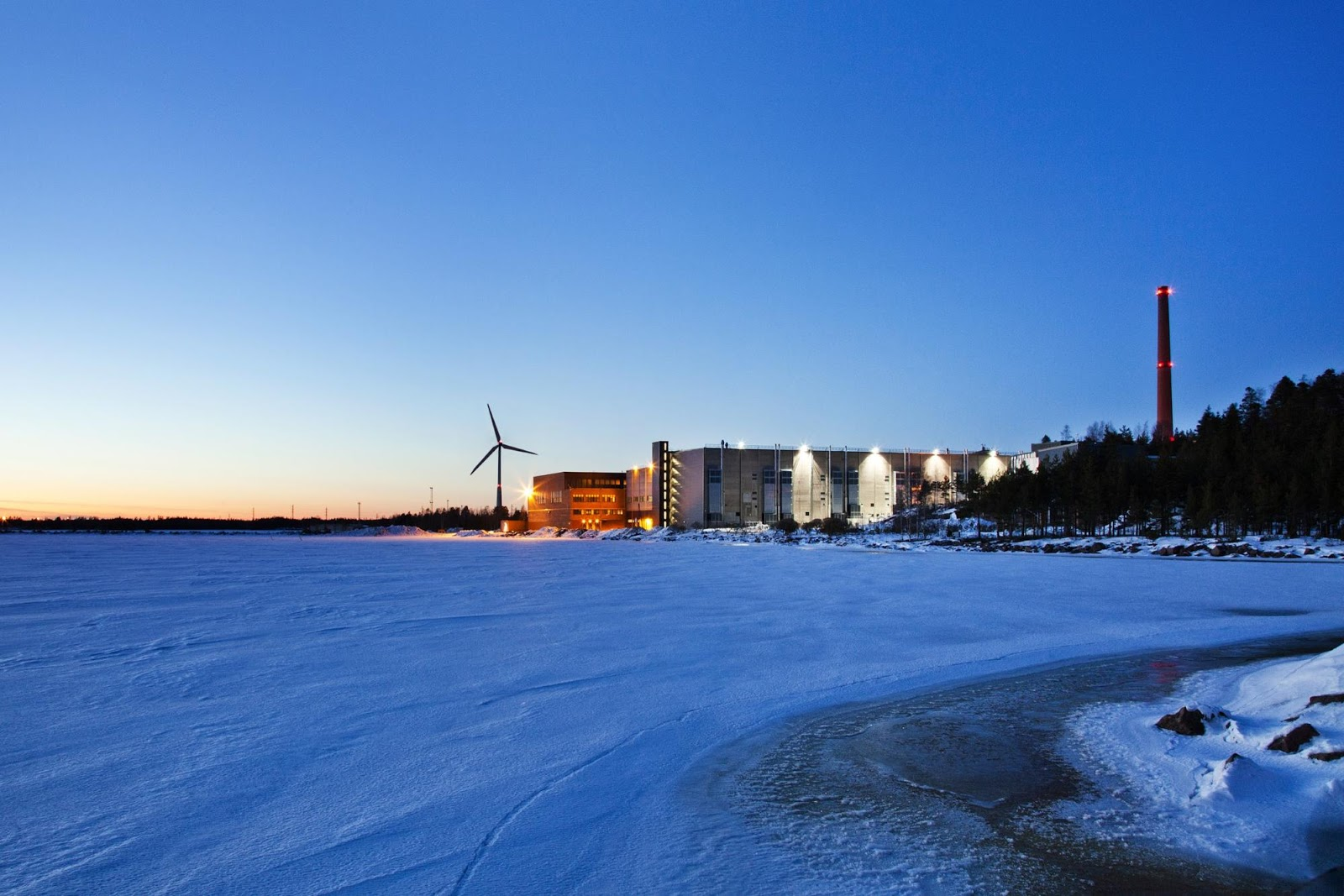
Kaipola retains buildings, electrical connections, water systems and transport infrastructure from its former paper manufacturing operations, offering a possible foundation for the new campus. Those existing assets will have to be assessed against the electrical, structural and operational requirements of computing equipment, which differ substantially from those of a paper mill. Sesterce intends to retain suitable infrastructure while developing the additional technical facilities.
The redevelopment would employ an estimated 2,000 people during construction and around 300 when fully operational, according to Sesterce’s projections. The company has identified an anchor customer without disclosing the organisation or the capacity it has agreed to take. Both the employment programme and the eventual operating arrangements remain dependent on the project progressing through procurement, construction and commissioning.
At 200 MW, the first phase would require substantial transformer capacity, switchgear, distribution systems and electrical connections, with any subsequent expansion to 600 MW increasing those demands. Reliable operation would also depend on protection equipment, fault management and the resilience provided by the final power architecture. The proposed rating describes the planned development and will need to be reconciled with actual network connection capacity.
Elenia, the Finnish distribution network operator, has confirmed that the former mill is connected to its high voltage network and that this infrastructure offers a starting point for development. Further studies and permissions will determine the capacity, reinforcement and supply arrangements available for each phase. That work must be coordinated with the proposed building and equipment programme if electrical infrastructure is to be available when computing systems are installed.
Computing equipment draws power continuously during many workloads, while its power conversion and cooling systems add further electrical demand. The size and distribution of that load will depend on the processors installed, how they are used and the efficiency of the surrounding infrastructure. Consequently, the final electrical design must account for both the information technology equipment and the supporting plant needed to keep it within its operating limits.
As processors release much of their electrical input as heat, Sesterce intends to use liquid cooling with a closed circuit supplemented by collected rainwater and recycled water. It has pledged to avoid drinking water for cooling. The engineering design will need to reconcile the proposed cooling system with equipment heat loads and the available sources of water, for which the company has yet to publish detailed consumption figures.
Liquid cooling transports heat through circulating fluid and heat exchange equipment, reducing reliance on airflow alone around high density processors. Pumps, pipework, monitoring and leak management must operate within the flow and temperature requirements of the installed hardware. While recirculation can reduce the volume of replacement water needed within a cooling circuit, maintenance and the final means of rejecting heat may create additional resource requirements.
The company is also assessing whether recovered heat could be supplied to local users, depending on the temperatures achieved and demand near the site. A district heating connection or industrial offtake may require further heat exchange equipment, temperature boosting and distribution pipework. Seasonal demand would affect how consistently the output could be used, and the proposal has yet to identify a confirmed heat purchaser or recovery volume.
Electricity sourcing forms another part of the proposal, with Sesterce committing to enable one megawatt of newly built renewable generation capacity on the Finnish grid for each megawatt consumed at the campus within ten years of operation. The commitment concerns generating capacity, while actual electricity production will vary with resource conditions and plant utilisation. The campus’s load and the output from those future installations must therefore be considered separately when evaluating electricity supply.
Wind and solar output changes with the weather, whereas some computing operations require a continuous electrical supply. Sesterce also intends to develop controllable consumption, which could help the site respond to conditions on the network if suitable workloads and systems are available. The company has not specified the load management equipment, contractual arrangements or operating limits needed to establish how that flexibility would function.
Some computational tasks can be scheduled at different times, while others depend on predictable service and immediate access to processing capacity. Adjusting workloads may also change electrical and thermal demand, requiring the computing controls to remain coordinated with power distribution and cooling plant. Actual flexibility will depend on the services sold to customers and the performance of the equipment once the campus operates.
In parallel with the engineering plans, Sesterce intends to establish a €10 million community fund when the development is commissioned, with supported projects selected by Jämsä and local residents. The scheme also envisages access to selected educational and hospitality areas while keeping computing equipment within secure operating spaces. Those community arrangements form part of the proposed redevelopment rather than services already delivered at Kaipola.
Jämsä’s local authorities have welcomed the prospect of renewed industrial activity at the former mill, while noting the steps required for the investment to proceed. Sesterce intends to employ Finnish construction firms and specialist subcontractors where possible, potentially creating work in electrical engineering, civil construction, cooling and building services. The resulting contracts and employment can be determined more precisely as designs, approvals and procurement arrangements develop.
Sesterce has also outlined an ambition to develop more than one gigawatt of AI computing infrastructure across Finland, potentially involving other industrial sites. The proposed Jämsä campus could contribute up to 600 MW towards that wider programme, with both figures representing intended capacity rather than completed installations. At Kaipola, the first delivery milestones will involve securing electricity supply arrangements, construction permissions and financing for the initial 200 MW phase.