The Foreign, Commonwealth & Development Office has introduced new sanctions against organisations and individuals involved in supplying machine tools, electronics and other goods used in Russian military manufacturing. The measures announced on 8 October 2026 include 17 individuals and entities involved in supplying industrial goods within a wider package described by the UK government as 38 new designations, extending restrictions on the procurement networks supporting Russia’s weapons production.
The industrial targets include Russian importers of machinery, electronic components and specialist materials, alongside intermediaries moving such goods through other countries. A European national has been designated in connection with a company exporting machine tools to Russia through a third country, illustrating the role of overseas supply routes in the procurement networks identified by the UK government.
Several of the affected goods are covered by the Common High Priority framework, developed by the UK, US and EU to identify items considered important to Russian military operations and weapons manufacture. Electronic components and machine tools can also serve civilian industries, so their technical classification, buyer and destination all form part of the assessment of a particular transaction.
Computer numerically controlled (CNC) machine tools use programmed instructions and motion control systems to move a cutting tool or workpiece along defined paths. That capability allows machining centres, lathes and milling machines to produce complex metal components with repeatable dimensions, serving civilian engineering as well as production activities relevant to military equipment.
The components a CNC machine can produce depend on the positioning accuracy, controller, tooling and measurement systems fitted to it. Specialist servicing and replacement components can also be necessary to keep installed equipment operating, making the availability of these supplies important to both the maintenance of existing industrial capacity and the development of new facilities.
The Common High Priority list includes specified CNC metal machining centres, lathes, milling machines and related accessories. Other entries cover equipment for manufacturing or testing electronic components and printed circuits, as well as electronic devices themselves. The distinction separates restrictions directed at production capabilities from those concerning components that might be incorporated into finished systems.
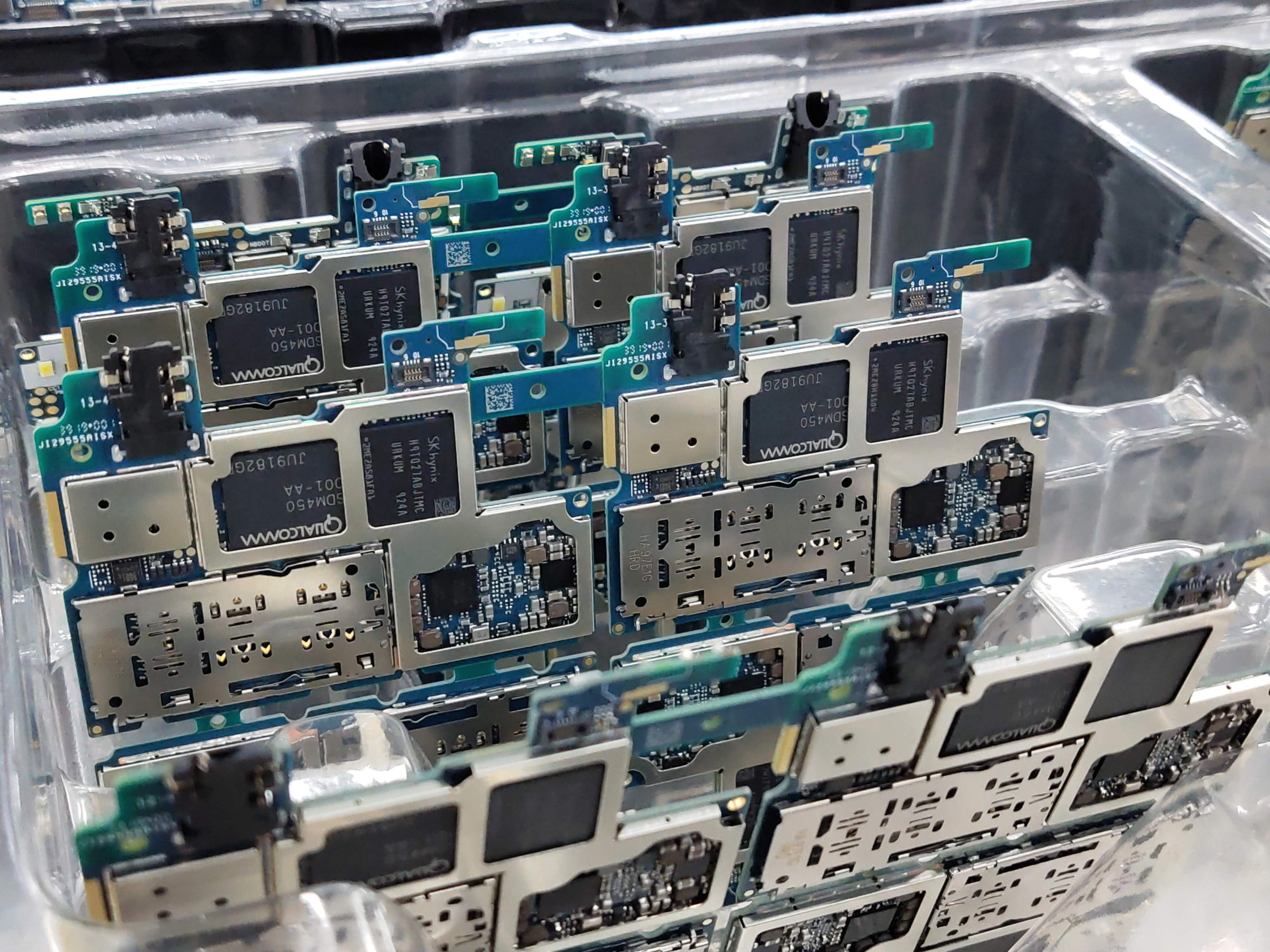
Processors, controllers and memory integrated circuits appear in the highest priority category, with communications modules, radio frequency devices, passive components and parts used in navigation covered elsewhere. These products can be bought through established distribution channels for legitimate industrial applications, creating complex supply routes in which a final buyer may be several transactions removed from the original manufacturer.
An industrial electronics assembly may contain processors, passive devices and control components obtained from several manufacturers and distributors. As those parts pass through successive commercial relationships, ownership or declared delivery destinations can change before the finished equipment reaches its intended user, making reliable records essential when the goods require sanctions or export control checks.
Trade restrictions may apply to goods and technology based on their technical classification, while asset freezes and other financial sanctions concern designated people or organisations. A sale of industrial equipment, transfer of technical information or provision of a service must therefore be assessed under the legal measures governing that activity and the parties involved.
The Common High Priority list identifies goods of particular concern, while UK sanctions legislation and applicable trade controls determine the legal obligations. Equipment outside the list can remain restricted under other provisions, and the measures affecting a transaction depend on the technical goods, services, parties and destination involved.
Intermediaries operating through other countries can obscure Russian destinations, particularly where commercial parties, shipping routes or payment details differ from those expected for the declared trade. Establishing the role of each intermediary and the end user helps identify transactions that require closer examination under the applicable restrictions.
Classification of precision manufacturing equipment may require the exact model, technical specifications, intended operation and details of the customer. Generic descriptions can conceal capabilities covered by a narrower control category, while an ordinary civilian application does not resolve restrictions associated with the buyer or ultimate destination.
Maintenance services and replacement parts can be subject to controls separately from the machines for which they are intended. A manufacturer, distributor, maintenance provider and freight operator may each hold different records about the same transaction, so identifying the controlled component and the actual customer can require information from several parties.
Beyond the 17 industrial supplier designations, the wider UK measures include restrictions relating to the Russian oil companies Zarubezhneft and INK Capital, 12 tankers associated with the shadow fleet, and cryptocurrency exchanges and payment platforms suspected of facilitating sanctions circumvention. The supplier measures concern industrial inputs to weapons production, while the additional restrictions target revenue, transport and financial channels.
Official designation entries now identify additional parties subject to UK restrictions, alongside existing controls on industrial equipment, electronic goods, services and payments. A transaction involving such products may require both a technical classification check and screening of the organisations involved under the rules in force when the goods or services are supplied.