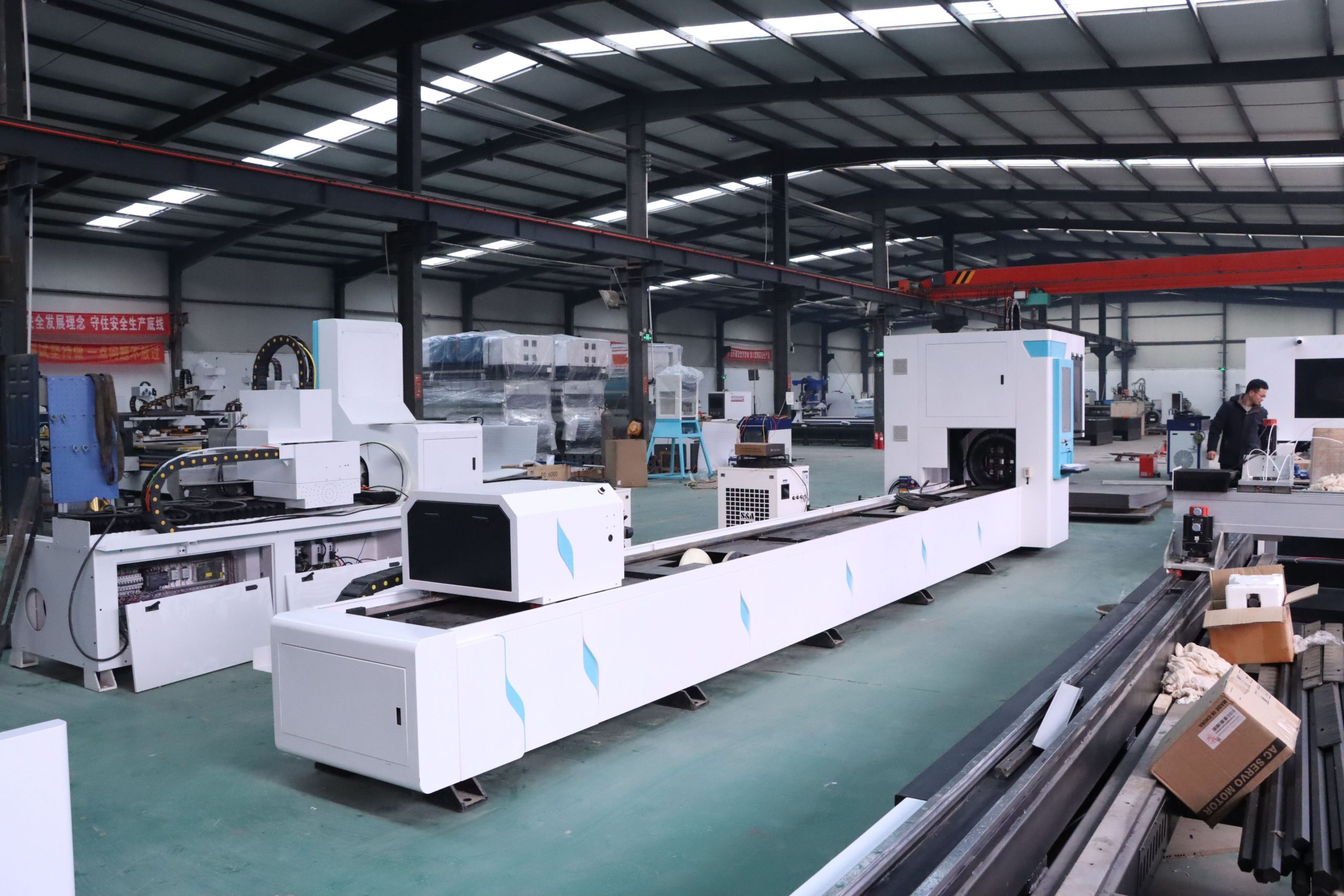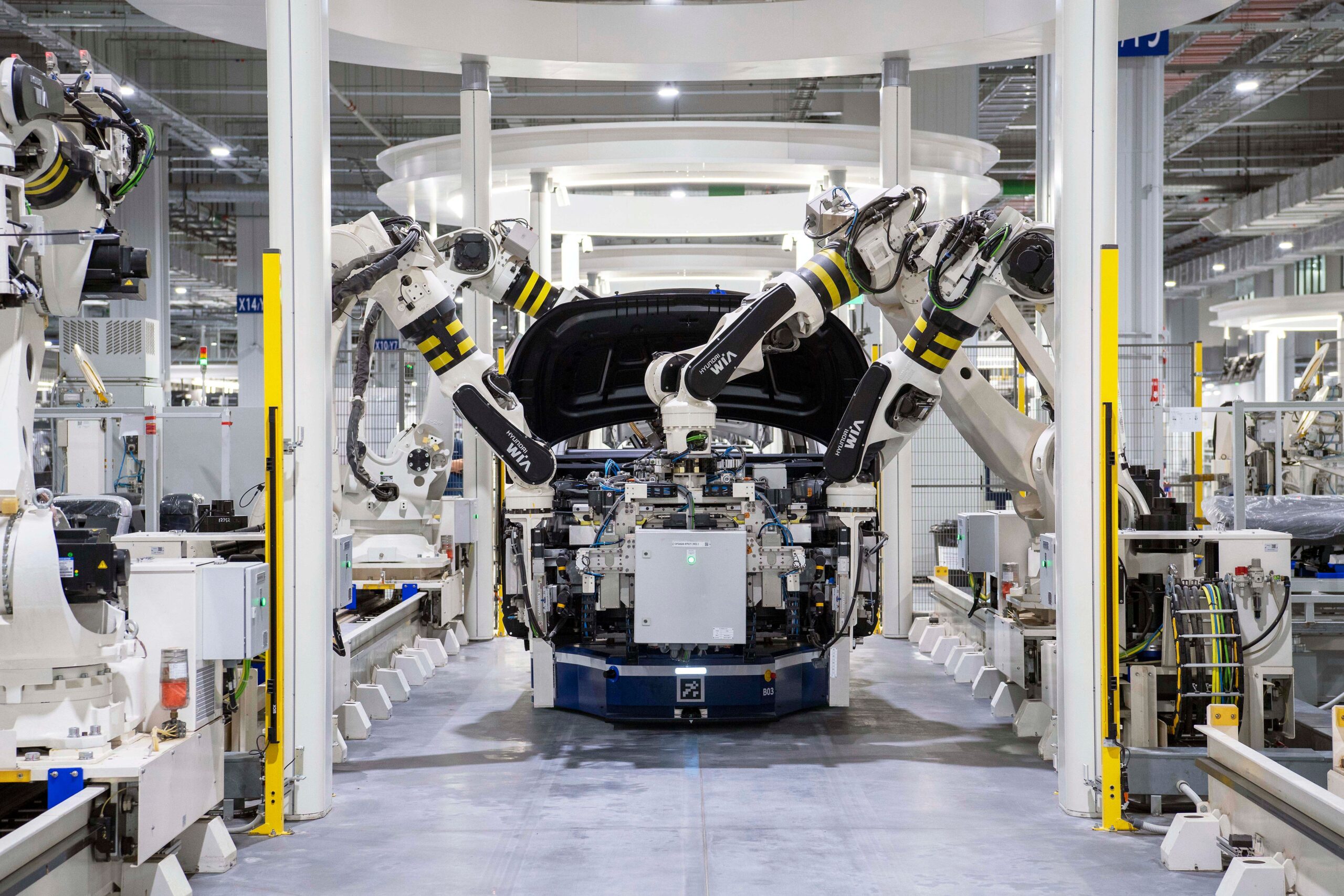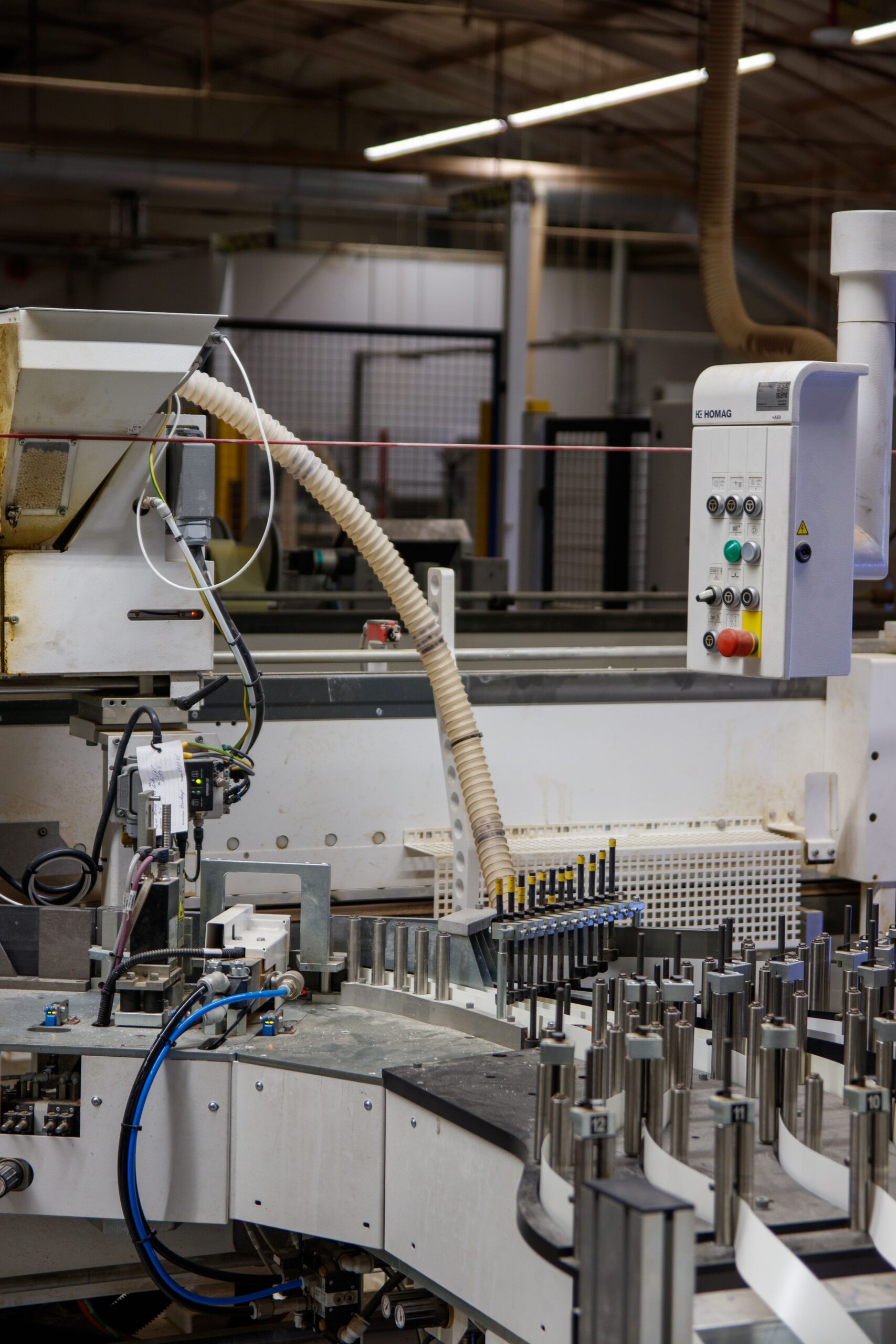
Solenis has relocated its global Pulp Center of Excellence from the United States to a new 500m² facility in Paulínia, Brazil, placing research and process development closer to one of the world’s largest pulp producing regions.
The centre sits beside the existing Paulínia Technology Center and brings scientists, technicians, process chemistry expertise and testing equipment into one location. Its work covers the pulp process from wood handling and cooking through brownstock washing, bleaching, recausticising and refining, allowing treatment programmes to be examined across several connected production stages.
Those stages influence one another because chemical and mechanical conditions established early in the mill continue to affect fibre quality and process demand farther downstream. Cooking separates cellulose fibres from lignin, while washing removes dissolved organic material and residual chemicals before bleaching and refining modify the pulp further. Changes intended to improve yield or reduce deposits during one stage can therefore alter chemical consumption, washing performance or final fibre characteristics later in the process.
In kraft pulping, wood chips are treated with cooking chemicals under elevated temperature and pressure before the resulting pulp moves into washing. Brownstock washing removes dissolved material and recovers liquor for the chemical recovery cycle, while bleaching reduces remaining coloured compounds and refining changes fibre properties to suit the required end product.
Recausticising links that fibre process with chemical recovery by regenerating active cooking chemicals for reuse. Efficient operation depends on the balance between cooking, washing and recovery remaining stable, so treatments introduced to one part of the mill have to be assessed against their effect on the rest of the chemical cycle as well as the immediate process step.
The Paulínia facility is equipped to reproduce different parts of that chain under controlled conditions before a treatment is introduced to a production mill. Researchers can compare changes across several stages and identify whether improved performance in one area is accompanied by higher chemical demand, reduced yield or another downstream effect elsewhere in the process.
Current development work includes a pitch control system that avoids talc, monitoring equipment developed with industry partners, a cooking additive intended to raise pulp yield and a family of defoamers formulated without silicone. Those technologies address different operating conditions but all depend on interaction with the wider pulp process rather than functioning as isolated chemical additions.
Pitch released from wood can accumulate on equipment and fibres, increasing cleaning requirements and creating defects farther through production. Chemical control has to keep that hydrophobic material dispersed or otherwise manageable without interfering with fibre quality, while monitoring can help mills detect changing deposit conditions before accumulation disrupts equipment or product quality.
Foam affects liquid handling differently by entraining air in tanks, washing stages and process flows, reducing effective vessel capacity and disturbing separation. Defoamers have to destabilise bubbles while remaining compatible with the chemicals and fibre conditions around them, making laboratory simulation useful before formulations are introduced into continuous mill operation.
Cooking additives are tied directly to raw material efficiency because pulp yield determines how much usable fibre is recovered from each quantity of wood. Increasing yield can reduce wood consumption for a given production volume, provided the resulting pulp still meets the required quality and does not create additional bleaching, washing or recovery demand that offsets the initial gain.
Locating the centre in Brazil brings that development work closer to a major concentration of modern pulp capacity and investment. Customer mills can provide operating samples and production data more directly, while plant engineers can work with the research team without depending on a programme centred in another continent.
The move also gives Solenis access to mills processing biological raw material under conditions that vary by species, moisture content, production rate and chemical balance. Laboratory work can control many of those variables, while mill trials remain necessary to establish whether a treatment continues performing as expected when raw material and operating conditions change during continuous production.
Paulínia becomes the company’s global centre for pulp applications within a broader research network of 16 development centres and 11 Customer Application Laboratories. The facility therefore concentrates specialist pulp capability without consolidating all Solenis research into one location.
Its value will be determined by how effectively laboratory and pilot work translates into full mill operation across several linked stages. Improvements in cooking, deposit control, foam management or monitoring have to remain compatible with washing, bleaching, recovery and refining if they are to produce sustained gains in yield, chemical use or plant availability.