SKF has introduced its MBx active magnetic bearing series for high speed chillers, using modular construction and automated winding to shorten assembly and increase production capacity for motors used in data centre cooling, heat pumps and other refrigeration applications.
The technology will be presented at Chillventa in Nuremberg from 13 to 15 October as part of a wider SKF high speed drive portfolio that includes electric motors, digital controllers, variable speed drives, condition monitoring and engineering services. MBx therefore forms part of an integrated rotating system in which the bearing, motor, controller and drive are designed to operate together.
Active magnetic bearings support a shaft through electromagnetic force while sensors continuously measure rotor position and the controller adjusts current to keep it centred. Removing normal mechanical contact between the rotor and a rolling or sliding bearing surface reduces friction at the support point and removes the oil film required by conventional bearing arrangements in many compressor systems.
The resulting machine transfers more responsibility to sensing and control because rotor position has to be corrected continuously as speed and load change. Electromagnets must respond rapidly enough to maintain stability throughout the operating range, linking bearing behaviour directly with controller performance and the characteristics of the motor and variable speed drive.
SKF is targeting centrifugal chillers and other high speed machines where compact dimensions, efficiency and reduced maintenance demand are valuable. Its complete high speed solution is claimed to improve energy efficiency by as much as 30% to 40% against conventional technologies in applicable installations, with the actual result determined by compressor design, operating conditions and the wider cooling system.
Data centre growth is increasing demand for efficient compressor systems because higher computing density raises both electrical consumption and the heat released inside each facility. Cooling equipment therefore competes for the same electrical capacity as the computing hardware, making compressor losses part of the wider power constraint around dense AI and server installations.
Heat pumps impose related demands on the compressor because refrigerant has to be moved across a pressure difference while the machine operates over changing loads. Higher rotational speed can increase power density, but it also tightens requirements around rotor stability, vibration and thermal behaviour. Bearing performance consequently influences both attainable machine speed and the losses generated during operation.
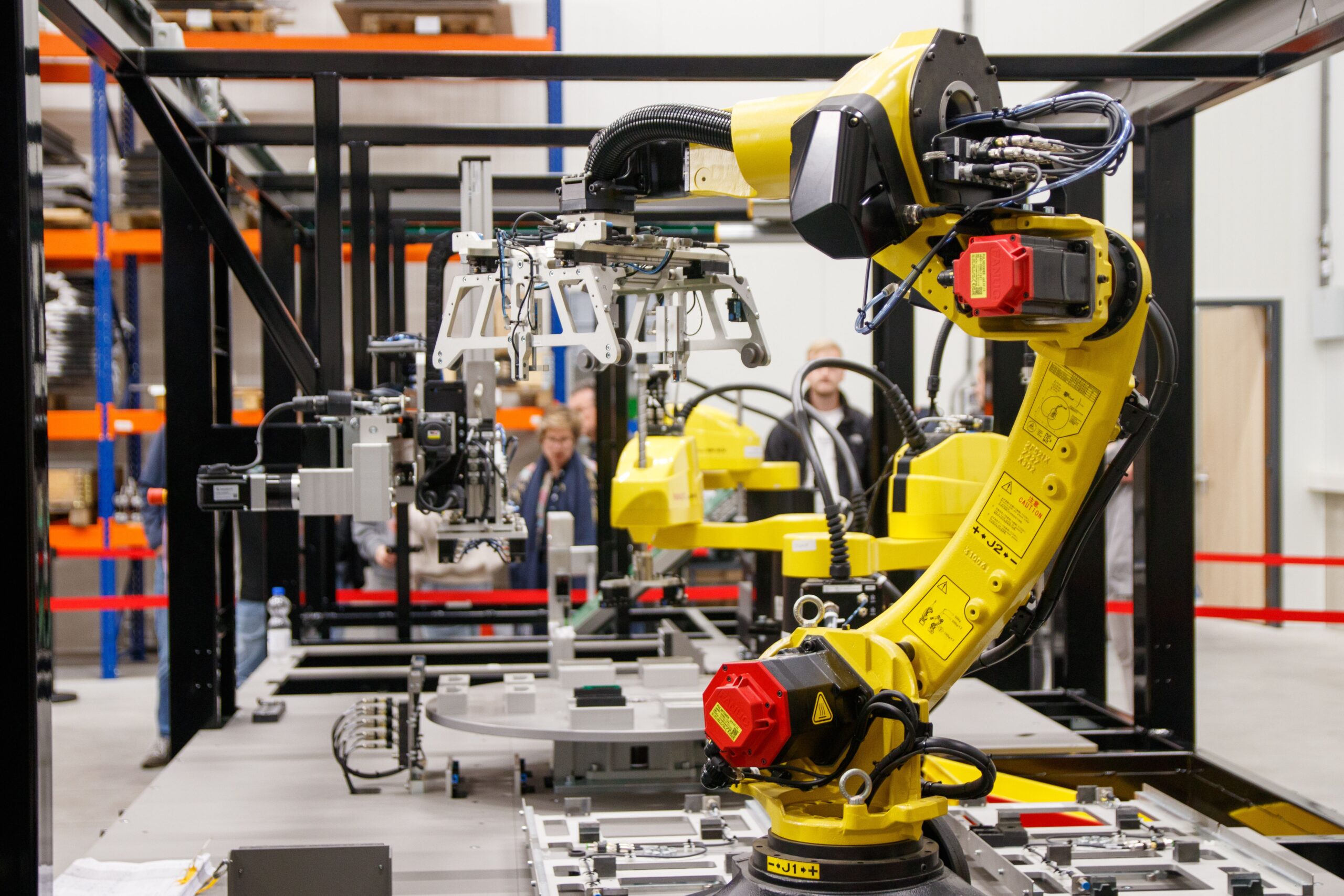
SKF has designed MBx around modular construction and automated winding so production can increase alongside demand from cooling and heat pump manufacturers. Greater automation is intended to improve repeatability and shorten assembly, reducing the amount of manual work required for each bearing as volumes rise.
Higher production rates still require tight dimensional and electrical tolerances because inconsistencies in winding, sensing or assembly can affect magnetic force and rotor behaviour at speed. Automated manufacture therefore has to preserve the precision expected from a component operating continuously within the machine’s active control loop.
SKF is presenting MBx alongside two rolling bearing platforms serving applications where physical contact remains part of the machine architecture. CeraDrive uses ceramic rolling elements in hybrid bearings for chillers, heat pumps, steam compressors, motors, fans and pumps, providing electrical insulation and operating capability under demanding speed and lubrication conditions.
The Extreme super precision platform extends conventional bearing technology into centrifugal compressors and mechanical vapour recompression equipment. SKF rates configurable versions for speeds up to 120,000rpm, speed factors of 2.4 million nDm, ring contact pressures up to 2.8GPa and turbine side temperatures reaching 200°C.
These platforms cover different combinations of speed, temperature, electrical conditions and maintenance requirements. Magnetic bearings use electromagnetic force and continuous electronic control, while hybrid ceramic and precision rolling bearings retain physical contact and rely on material selection, lubrication and geometry to carry the shaft.
MBx combines the contact free magnetic architecture with a production design intended for higher manufacturing volumes. Modular assembly and automated winding are meant to increase output without relaxing the precision required by high speed compressor applications, giving SKF a route to supply more active magnetic bearing systems as data centre cooling and heat pump demand increases.