Clarios and Romanian engineering company Piaxo are expanding their engineering collaboration in Timișoara, where nearly 50 engineers are now supporting development across battery management, sodium-ion and lithium-ion storage, inverter technology, supercapacitors, software, systems engineering, and validation.
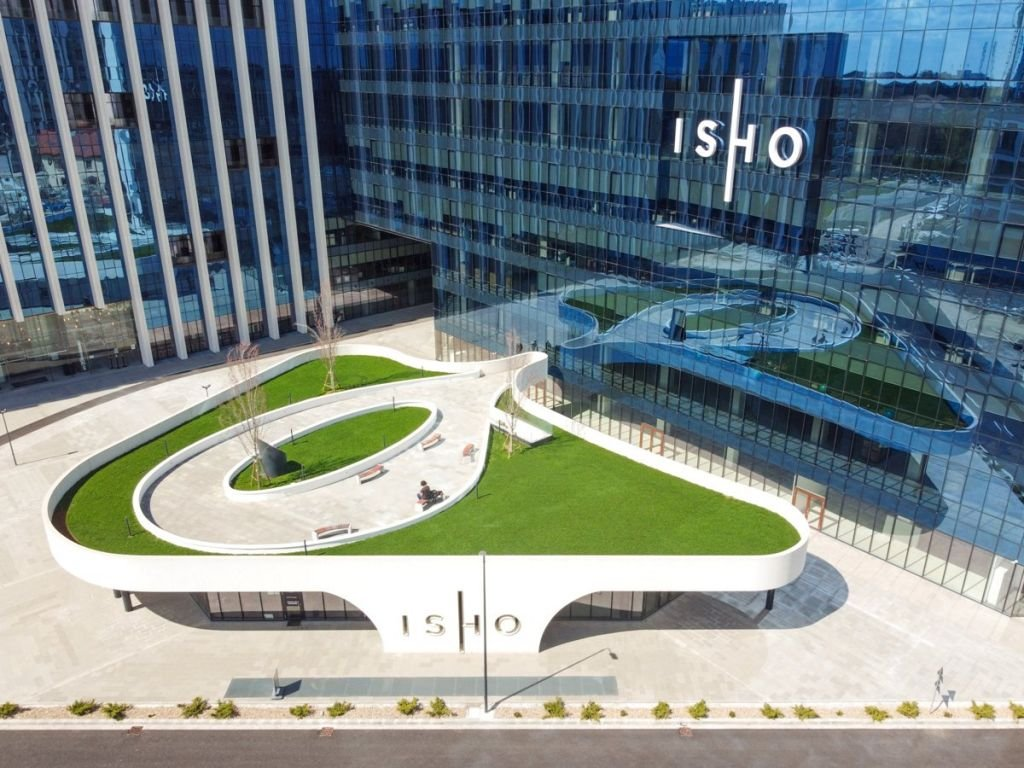
The latest development expands a partnership established earlier in 2026 rather than creating a new engineering centre. Piaxo launched the Timișoara operation with plans to build a team of more than 120 engineers, and the organisation has now grown to almost 50 while adding engineering facilities and a development and testing laboratory at its ISHO location.
The partnership connects Piaxo’s multidisciplinary engineering operation with Clarios’ global technology organisation while leaving the two businesses separate, with distinct responsibilities. The Romanian team contributes to projects across advanced low-voltage energy systems rather than operating as a captive Clarios engineering subsidiary.
That model reflects a broader change in automotive electrical architecture. Low-voltage batteries increasingly support large numbers of electronic control units, safety systems, connectivity functions, and software controlled loads, while electrified vehicles place additional demands on power stability and redundancy. The low-voltage system is consequently becoming a more integrated engineering problem rather than a standalone starter battery.
The Timișoara team supports battery management systems for next-generation energy storage, including sodium-ion and lithium-ion batteries, alongside inverter and supercapacitor technologies. Software, systems engineering, electronics, testing, and validation form part of the same development environment.
Dr Alexander van Laack, chief technology officer at Clarios, said: “This partnership with Piaxo supports our broader technology transformation and strengthens how we collaborate across engineering disciplines.”
Sodium-ion is one strand of that work, but the expanded partnership should not be read as a dedicated sodium-ion programme. The engineering scope covers several storage and power technologies, and much of the work required to move any new chemistry into a vehicle sits outside the cell itself.
Battery management software has to estimate condition, control operating limits, detect faults, and exchange data with the rest of the vehicle. Systems engineers have to account for electrical architecture and safety requirements, while validation teams need to reproduce operating conditions, temperature extremes, faults, and electrical loads before hardware can move towards a production programme.
The new laboratory capability is therefore relevant even where the underlying cell technology has already been developed elsewhere. Product industrialisation depends on integration between electronics, control software, thermal behaviour, vehicle interfaces, and safety functions, all of which have to be tested repeatedly as designs mature.
Piaxo’s February announcement set out an ambition to build a Timișoara team exceeding 120 engineers across software, hardware, systems, testing, quality, and project management. Reaching almost 50 gives a clearer indication of the pace of expansion, while the move into the ISHO location adds a physical base for testing and cross-functional development.
Ion Petic, chief executive of Piaxo, said: “Our engineering facilities and development laboratory in Timișoara mark an important step in the development of our engineering capabilities.”
Timișoara already has a significant automotive electronics and software engineering base, giving suppliers access to experience built across vehicle control, embedded systems, and validation. That can make the city attractive for programmes that need specialist engineering capacity without placing every function beside a manufacturing plant.
Distributed engineering also introduces its own operating requirements. Battery and power-electronics development involves safety critical hardware and software, meaning geographically separated teams need common requirements, configuration management, test procedures, cybersecurity controls, and clear technical ownership. Adding headcount creates useful capacity only if that engineering structure scales with it.
For Clarios, the partnership provides additional European development capability as low-voltage systems become more connected and software dependent. For Piaxo, it gives the expanding Romanian operation access to programmes spanning energy storage, power electronics, systems integration, and validation rather than concentrating purely on embedded software services.
The industrial value of the Timișoara centre will also depend on how closely development and validation work remain connected to eventual manufacturing requirements. Battery systems that perform well in prototype form still have to be designed for repeatable assembly, serviceability, diagnostics, supplier variation, and the documentation demanded by automotive production programmes.
The next industrial milestones will come from the programmes developed through the centre rather than further headcount announcements. Prototype maturity, validation activity, technology qualification, and eventually production applications will show whether the expanding Timișoara operation is converting engineering capacity into systems that reach vehicle platforms.