Heylen Warehouses has agreed to take over Audi’s former Brussels factory and redevelop the 55-hectare site as a mixed urban business park intended to retain industrial activity in the Belgian capital.
Heylen Warehouses, Audi, the Brussels-Capital Region, and the municipality of Forest have signed the takeover agreement, formally confirming the transaction. The proposed redevelopment is intended to accommodate industrial companies, SMEs, and innovative businesses rather than replace Audi with another single large manufacturer.
The project is provisionally named Ringspark21 and carries a target of creating at least 3,000 jobs. No tenant list has yet been announced, and Heylen says it is holding discussions with a broad range of potential occupiers rather than limiting the search to large international companies.
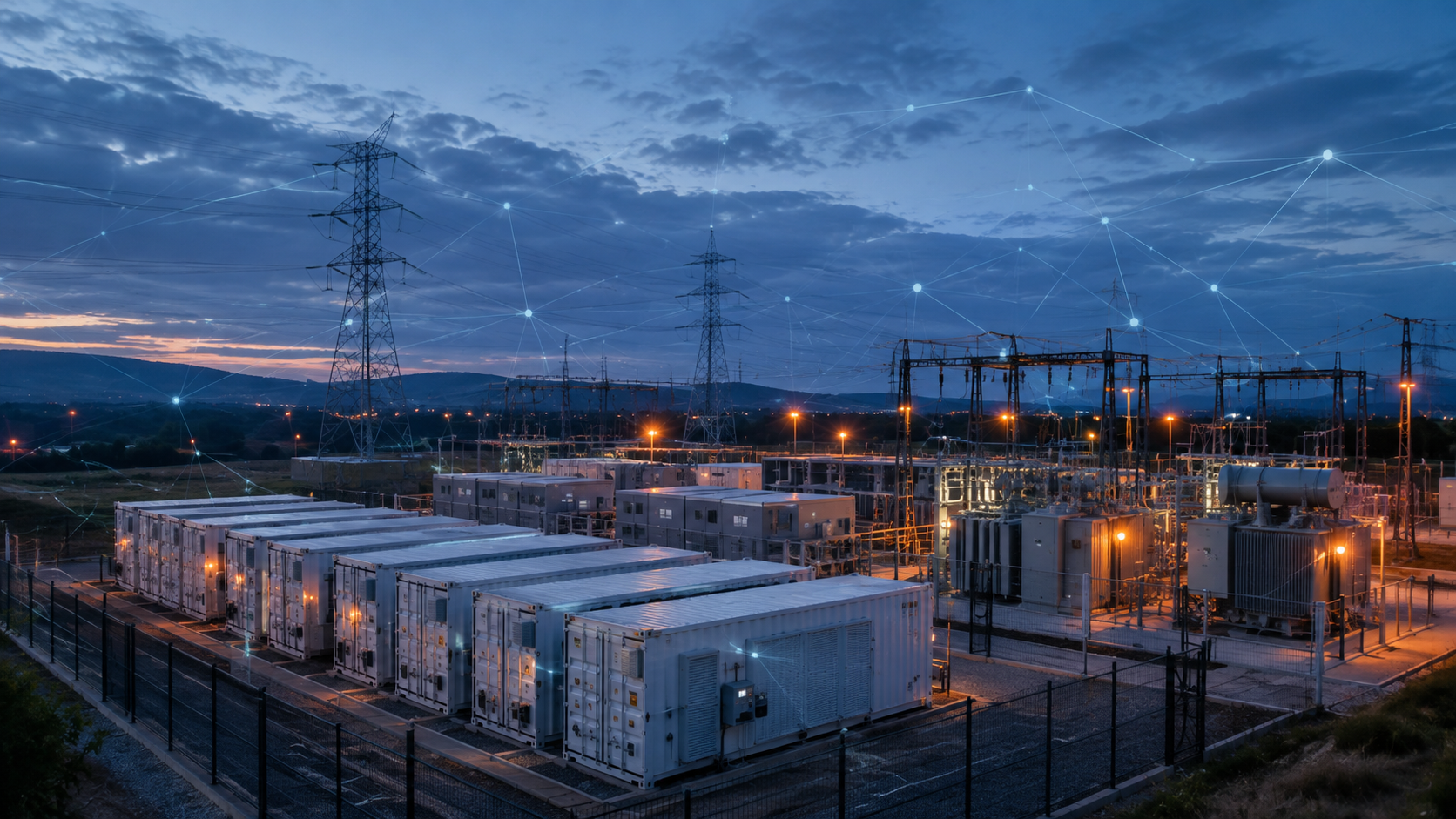
The former Audi plant is the largest industrial site in the Brussels-Capital Region and includes infrastructure that would be difficult and expensive to reproduce on a new development. The 55-hectare property has a high-voltage electricity connection, rail access, and immediate links to both the city and Brussels ring road.
Audi ended vehicle production at Forest on 28 February 2025 after deciding not to allocate a replacement programme to the plant. The closure brought an end to a large, specialised automotive operation whose employment and supporting infrastructure had been built around high-volume production for one manufacturer.
Heylen’s proposal replaces that concentration with a multi-occupier model. Existing industrial activities are intended to be retained and developed alongside space for SMEs and innovative companies, while parts of the site are also expected to become more accessible to the surrounding area.
The development plan includes proposals to strengthen the role of Forest-South railway station. That places the scheme somewhere between a conventional industrial estate and an urban employment district, with freight, workers, local businesses, public access, and neighbouring residential areas all sharing more of the same infrastructure.
Dividing an automotive factory among many occupiers is more complicated than subdividing floor area. Vehicle plants are designed around large production halls, specific material routes, central utilities, dedicated loading areas, high electrical demand, and manufacturing processes arranged around a single production system.
A mixed business park requires those systems to be separated and redistributed. Electrical supplies, heating, water, fire protection, access control, internal roads, loading arrangements, drainage, communications, and maintenance responsibility may all have to be redesigned so that individual tenants can operate independently.
Legacy buildings will also have to be matched to uses that may bear little resemblance to vehicle assembly. Floor loading, clear height, crane capacity, ventilation, environmental controls, fire compartmentation, and access can make one hall suitable for manufacturing but impractical for a different process without substantial capital work.
The site’s existing rail and high-voltage connections offer a useful starting point because infrastructure availability has become a constraint on industrial investment across parts of Europe. Companies can find appropriate land yet wait years for sufficient electrical capacity or face substantial costs bringing utilities to an undeveloped location.
Retaining the Forest site for employment-led industrial use therefore preserves assets that would be difficult to recover if the land were converted wholly to residential or conventional commercial development. Once large urban industrial sites are fragmented or removed from productive use, assembling equivalent serviced land close to labour and transport networks is rarely straightforward.
The multi-company model also changes commercial risk. Audi Brussels depended heavily on decisions made within a global automotive product portfolio, so a change in model allocation could affect almost the entire site at once. A diversified tenant base distributes that exposure across companies, customers, and sectors, although it also increases the complexity of estate management.
The 3,000-job ambition should not be read as a direct replacement of the former Audi workforce. Employment spread across manufacturing, logistics, technology, services, and smaller businesses may involve different skills, wage structures, shift patterns, and productivity levels from those associated with automotive production.
Job creation will also depend on how quickly suitable occupiers commit. Heylen can provide buildings and infrastructure, but an industrial park reaches useful scale only when tenants invest in their own equipment, recruit staff, secure customers, and begin operating.
Planning and regulatory procedures remain ahead, and the parties say further steps will be communicated as the redevelopment progresses. A project of this size is likely to be phased, particularly if different sections of the former factory require different levels of adaptation or demolition.
The signed agreement nevertheless resolves the first question hanging over Audi Brussels since vehicle production ended: the site is intended to retain a substantial industrial and economic function. The harder work now shifts from finding a buyer to converting a factory designed around one automotive programme into infrastructure that dozens of different businesses can use.
Ringspark21 will ultimately be judged by occupancy rather than masterplan language. Forest already has the land, rail connection, electrical infrastructure, and industrial history; Heylen now has to turn those inherited assets into enough working factories and businesses to restore employment at meaningful scale.