Dunbar Pharma has introduced its plant-derived dronabinol active pharmaceutical ingredient into the UK through a supply agreement with IPS Pharma, extending commercial-scale output from its EU-GMP-certified Irish operation into a second major European market. IPS will use the API to manufacture cannabis-based medicinal products supplied through the UK Specials pathway.
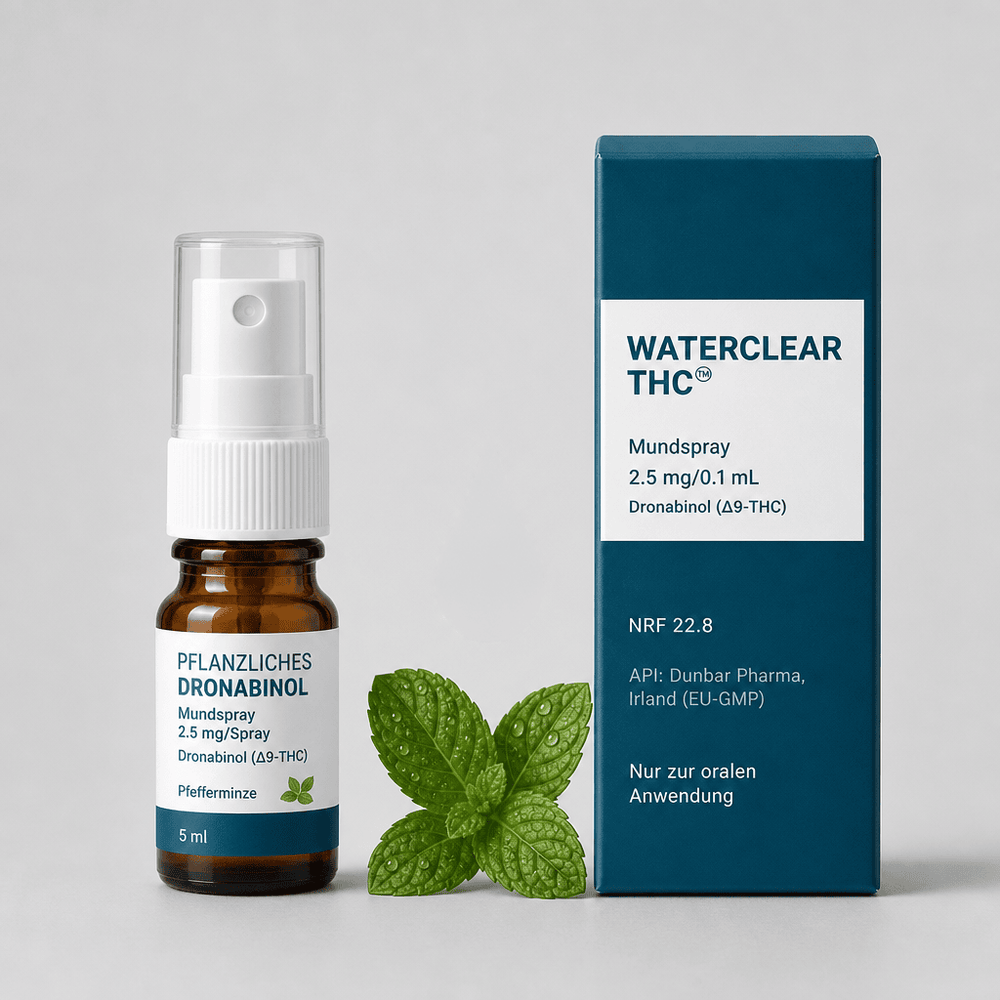
The material, marketed as WaterClear THC, is produced in Athlone under Health Products Regulatory Authority oversight with batch traceability, analytical testing, and pharmaceutical quality controls. IPS Pharma intends to use it in oral formulations including capsules, an oral spray, and an oil-based dropper preparation.
Dronabinol is the international non-proprietary name for pharmaceutical-grade delta-9 tetrahydrocannabinol. The active ingredient itself is established rather than novel; the industrial significance of the agreement lies in the manufacturing route and the systems used to convert plant-derived material into a repeatable pharmaceutical input.
A biological starting material does not reduce the requirement for standardisation. Concentration, impurity profile, stability, process control, analytical testing, documentation, and batch consistency all have to remain within defined limits if the API is to be incorporated into medicines with predictable performance.
Plant-derived inputs create an additional manufacturing consideration because natural material can vary between crops or batches. Extraction and purification processes therefore have to remove enough of that variability for the final API to meet a controlled specification. Commercial pharmaceutical manufacture depends on the properties of the released ingredient, not on the consistency of the plant entering the front of the process.
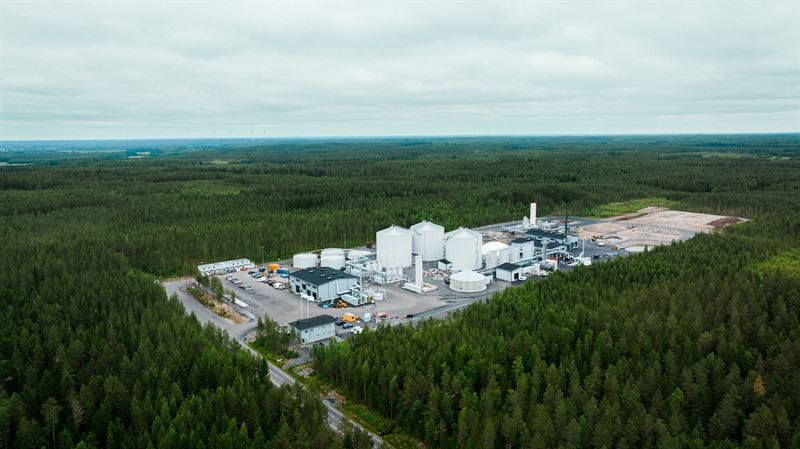
Dunbar states that the Athlone operation manufactures at commercial scale using validated processes and provides full batch traceability. The company also carries out in-house testing and stability work, with batch-specific certificates of analysis forming part of the documentation supplied downstream.
Those controls matter because IPS takes responsibility for the next manufacturing stage. The API has to arrive with sufficiently defined characteristics for the company to formulate, manufacture, test, and release finished medicinal products. Variability that escapes the API process can become a formulation, dosage, stability, or quality problem later in production.
The UK Specials pathway allows unlicensed medicines to be produced for individual clinical requirements where an appropriate licensed product is unavailable. That status does not turn the manufacturing process into an unregulated activity. Controls remain necessary around sourcing, preparation, documentation, quality, and supply even though the finished products do not follow the conventional route used for high-volume licensed medicines.
The agreement therefore links two distinct pharmaceutical operations. Dunbar produces and releases the active ingredient, while IPS converts that material into finished oral dosage forms. Each stage has different equipment, analytical requirements, records, and regulatory responsibilities, making a dependable interface between API supplier and formulator particularly important.
Dunbar has already expanded into Germany, giving the Athlone site more than one export route for its production. Broader geographic supply can improve utilisation of manufacturing and laboratory infrastructure whose cost remains significant regardless of batch volume, but it also increases the requirement for documentation and consistent logistics across national regulatory environments.
Commercial-scale API production is an unusually quality-intensive manufacturing activity. Equipment has to be cleaned and qualified, raw materials controlled, process parameters recorded, samples tested, deviations investigated, and documentation retained in a form that allows the history of individual batches to be reconstructed. Production output that fails release testing has considerably less value than nominal capacity would suggest.
Dunbar states that its quality-control process produces dronabinol purity in the 96–99% range, supported by in-house testing and stability programmes. That figure relates to the API rather than the strength of the finished medicines produced by IPS, which are subsequently formulated to their own defined concentrations.
Keeping that distinction clear matters in a sector often described using consumer-market language. The manufacturing problem here is not the retail sale of cannabis products but control of a specialist active ingredient through extraction, purification, testing, release, shipment, formulation, and eventual medicinal supply.
The supply chain also has relatively little tolerance for inconsistency. A specialist medicine producer cannot readily substitute an active ingredient if analytical characteristics, documentation, or validated processing differ between suppliers. Qualification work makes continuity of supply and change control commercially important even where overall market volumes remain smaller than those of conventional mass-market pharmaceuticals.
That gives the UK agreement a more conventional industrial logic than its cannabinoid subject might initially suggest. Dunbar is seeking repeatable utilisation of an EU-GMP manufacturing asset, while IPS needs a characterised input for regulated finished-dose production. The underlying disciplines are the same ones that govern other specialist pharmaceutical supply chains: reproduce the process, document the batch, test the material, and deliver it without introducing variation the next manufacturer then has to solve.
The Athlone operation has now gained another route into finished medicines through the UK. Its longer-term value will be determined less by the novelty of plant-derived dronabinol than by whether Dunbar can sustain the ordinary but demanding requirement of API manufacture — producing qualified material to the same specification whenever the customer needs the next batch.