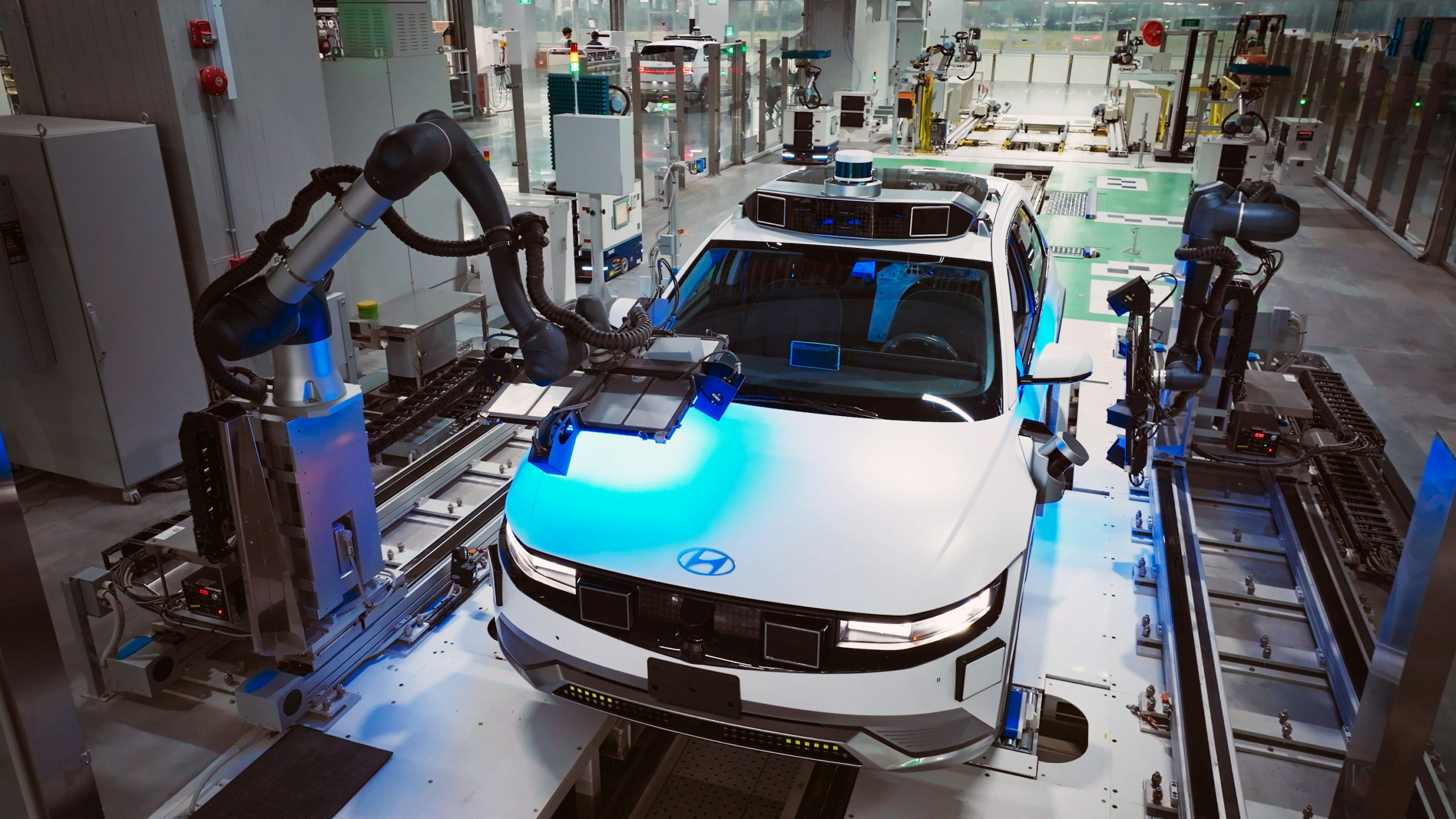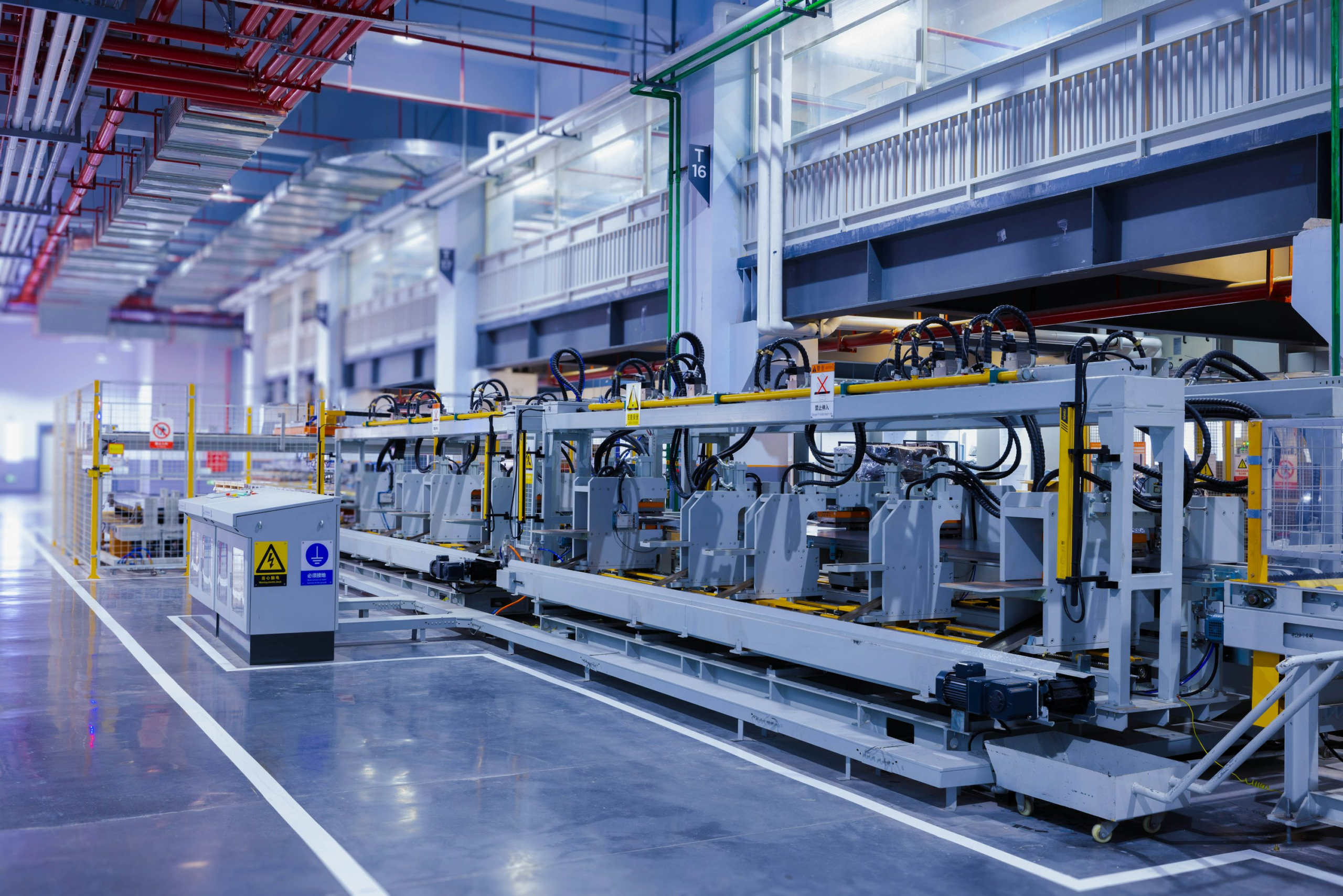
AESC has delayed the next stage of its Sunderland battery gigafactory expansion after talks over a supply agreement with Jaguar Land Rover stalled and Nissan demand developed more slowly than expected.
The battery manufacturer has two production lines operating at Sunderland but has held back from installing a third line intended to support JLR, according to reporting based on people familiar with the plans. Two further lines remain associated with future Nissan demand, although their installation depends on the pace of the carmaker’s electric vehicle programme.
The delay leaves planned manufacturing capacity waiting on customer volume rather than construction alone. AESC’s newer Sunderland facility is designed for 15.8GWh of annual battery output and more than 1,000 jobs, making it a substantial part of the UK’s effort to establish domestic cell production alongside vehicle assembly.
Large amounts of capital have already been committed. In May 2025, the UK government announced a £1 billion financing package for the gigafactory, with guarantees from the National Wealth Fund and UK Export Finance unlocking £680 million of bank financing. A further £320 million was secured through private financing and new AESC equity, while the Automotive Transformation Fund committed £150 million in grant support.
The financing was built around the expectation that battery production and vehicle assembly would expand together in the North East. Nissan’s Sunderland operation has been central to that model, with battery manufacturing located beside the vehicle plant to reduce logistics complexity and support a more integrated electric vehicle supply chain.
Gigafactory economics, however, depend heavily on utilisation. Cell production requires expensive process equipment, controlled manufacturing environments, long commissioning periods, and customer qualification before output can ramp at scale. Installing another line without enough contracted demand would increase capital exposure while leaving expensive machinery below its intended utilisation rate.
JLR had been considered an important additional customer while sister company Agratas develops a separate battery gigafactory in Somerset. The failure to conclude the Sunderland supply arrangement removes a potential customer for AESC at the same time as Nissan has slowed parts of its own electrification programme.
That combination illustrates the difficult relationship between vehicle plans and battery investment. Cell plants are engineered against model volumes and technical specifications several years ahead, but launch dates, sales expectations, chemistries, and sourcing strategies can all change before a production line is commissioned.
Capacity is therefore less interchangeable than a headline gigawatt-hour figure can suggest. A line built around one customer still has to meet that customer’s cell format, chemistry, quality requirements, commercial terms, and vehicle programme timetable. Finding another buyer does not necessarily turn unused equipment into immediately saleable output.
The UK has treated domestic battery capacity as strategically important because cells account for a large share of an electric vehicle’s value and are expensive to transport. Local production can shorten supply chains, improve control over inventory, and support automotive rules of origin, but those benefits depend on battery plants and vehicle factories increasing output at compatible rates.
Sunderland was intended to demonstrate that integration. AESC’s facilities sit alongside Nissan within a wider manufacturing cluster, while earlier plans also envisaged energy infrastructure supporting the electricity-intensive battery and vehicle operations. A slower battery ramp now alters the timetable for parts of that industrial system even though the physical investment already made remains in place.
The company’s long-term capacity plan has not been abandoned. AESC continues to target 15.8GWh at Sunderland, and the additional Nissan-oriented lines remain part of the reported programme. The immediate change is that equipment installation is being held behind firmer evidence that customers will absorb the resulting output.
JLR’s own battery strategy adds another variable. Agratas is developing manufacturing capacity in Somerset, giving JLR a route towards a more directly controlled battery supply once that facility begins production. Any interim sourcing arrangement therefore has to work commercially within a window that may narrow as the Somerset project advances.
AESC, JLR, and Chery declined to comment on the reported Sunderland supply discussions, leaving the detailed commercial reasons for the stalled negotiations unconfirmed. Accounts from people familiar with the talks point to financial commitments, cost, and timing, rather than a disclosed technical failure at the battery plant.
The next meaningful measures will be customer nominations, installed production equipment, and confirmed vehicle volumes. Sunderland already has the financing and much of the industrial infrastructure behind it; the question is how quickly enough battery demand arrives to justify putting the remaining lines onto the factory floor.