Voestalpine has kept its first electric arc furnace projects at Linz and Donawitz on schedule for operation during the first half of 2027, while advancing further infrastructure intended to support fully electrified steel production at Donawitz from 2030.
The Austrian steel and technology group reported first quarter revenue of €4 billion for the three months to 30 June 2026, up 2.4% from €3.9 billion a year earlier. Earnings before interest, tax, depreciation, and amortisation increased from €361 million to €495 million.
Operating profit rose by 78.8% to €307 million, while profit before tax more than doubled to €279 million. Profit after tax reached €196 million, compared with €106 million in the corresponding quarter of the previous financial year.
The results included approximately €100 million of positive and negative one off items, principally within the High Performance Metals Division. Free cash flow of €224 million also contained an approximately €150 million contribution from the sale of voestalpine BÖHLER Profil, so the headline increases do not represent an entirely repeatable operating improvement.
Net financial debt fell to €1 billion at the end of June, down by 28.7% year on year, while equity increased to €8 billion. The strengthened balance sheet provides greater room for a capital programme that is changing both the production technology and supporting infrastructure at its Austrian steelworks.
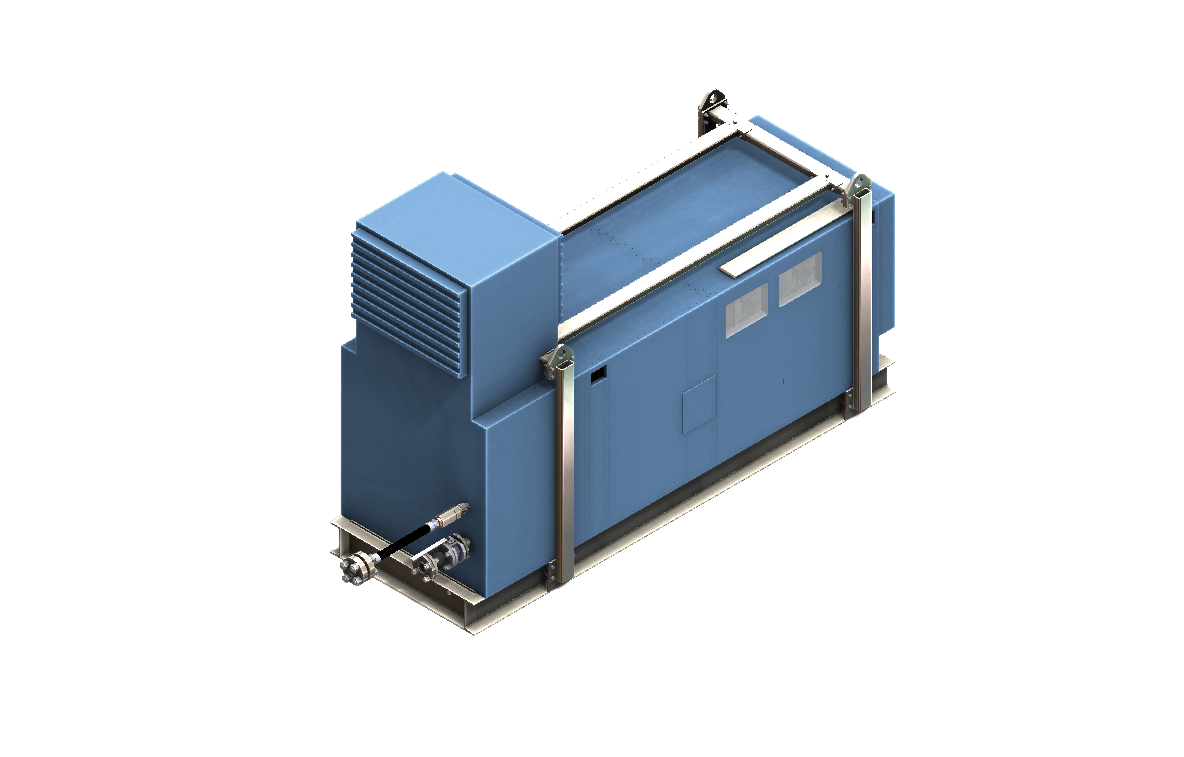
The first electric arc furnaces at Linz and Donawitz form the initial stage of the group’s transition away from traditional blast furnace steelmaking. Both installations are reported to be on schedule and within budget, with commissioning planned during the first half of 2027.
Electric arc furnaces melt scrap and other metallic feedstocks using electrical energy rather than relying principally on coke fuelled blast furnaces to reduce iron ore. Their emissions performance depends on the electricity supply, feedstock mix, plant configuration, and amount of additional processing required.
Installing the furnace is only one part of the conversion. Power connections, substations, scrap handling, secondary metallurgy, casting equipment, process controls, and material flows must all support a production route with different operating characteristics.
Voestalpine’s proposed next phase at Donawitz addresses those wider requirements. Its supervisory board has approved an investment of approximately €100 million to expand the site by 2030, subject to outstanding funding arrangements.
The programme includes a further upgrade of the power supply infrastructure, construction of a third secondary metallurgy line, and expansion of scrap logistics. If completed, the work would allow Donawitz to move to fully electrified steel production from 2030.
Secondary metallurgy is central to a producer serving rail, automotive, aerospace, energy, and other specification sensitive markets. Processes carried out after initial melting control chemistry, cleanliness, temperature, and inclusion content before the steel moves into casting and downstream manufacture.
Additional scrap capacity is equally important. Electrified steelmaking increases demand for reliably sorted metallic feedstock, while higher grade products require close control of residual elements that can accumulate when unsuitable scrap is repeatedly remelted.
The project therefore links decarbonisation with supply chain quality. Steelmakers cannot expand electric production indefinitely without sufficient access to scrap of known composition, direct reduced material, or other feedstocks capable of meeting customer specifications.
Power infrastructure presents another constraint. Large electric arc furnaces introduce substantial and variable electrical loads, requiring grid capacity, internal distribution equipment, protection systems, and operating arrangements capable of managing high demand production cycles.
The quality and continuity of the electricity supply will be as important as the nominal connection capacity. Voltage disturbances, grid constraints, and electricity price volatility can affect both output and operating costs at plants whose melting process depends directly on electrical power.
Voestalpine is pursuing the furnace investment while reorganising other parts of its portfolio. Measures continue within the German Automotive Components business, where the group is responding to structural changes in vehicle markets. The High Performance Metals Division is also concentrating more heavily on technologically demanding materials.
The restructuring contributed to a 1.8% reduction in the group’s workforce, which stood at approximately 48,640 full time equivalent employees at the end of June. The decline was attributed mainly to changes in High Performance Metals and Automotive Components.
At the same time, the group is expanding manufacturing in North America. It has doubled capacity at Jeffersonville, Indiana, following an approximately €70 million investment in longitudinal beam production for commercial vehicles.
Voestalpine Railway Systems has also signed a long term supply agreement with Canadian National and is building a facility for turnouts and rail components at Thorold, Ontario. The Canadian plant is expected to create about 30 jobs and strengthen local manufacturing for the railway market.
These investments place regional production closer to North American customers while Austrian sites receive the infrastructure required to change their underlying steelmaking route. The two programmes address different commercial pressures but both reduce dependence on long supply routes.
The group continues to expect EBITDA of between €1.60 billion and €1.85 billion for the full 2026/27 financial year. That outlook assumes that current market trends broadly continue despite volatile energy prices, geopolitical uncertainty, and weak demand in some European industrial sectors.
The decisive point will arrive in 2027, when the Linz and Donawitz furnaces move from construction into commissioning. The plants must demonstrate product quality, stable output, electrical performance, and integration with downstream processes before the transition can be judged at industrial scale.
The additional Donawitz investment extends the programme beyond furnace replacement. Power distribution, metallurgy, and scrap logistics attract less attention than the furnace itself, but without them electrified steelmaking remains an expensive new process attached to an operating system designed for the one it is supposed to replace.