SIE Industrial has opened a new headquarters and assembly plant in Sunderland following a six-figure investment intended to increase machinery production and technical-support capacity.
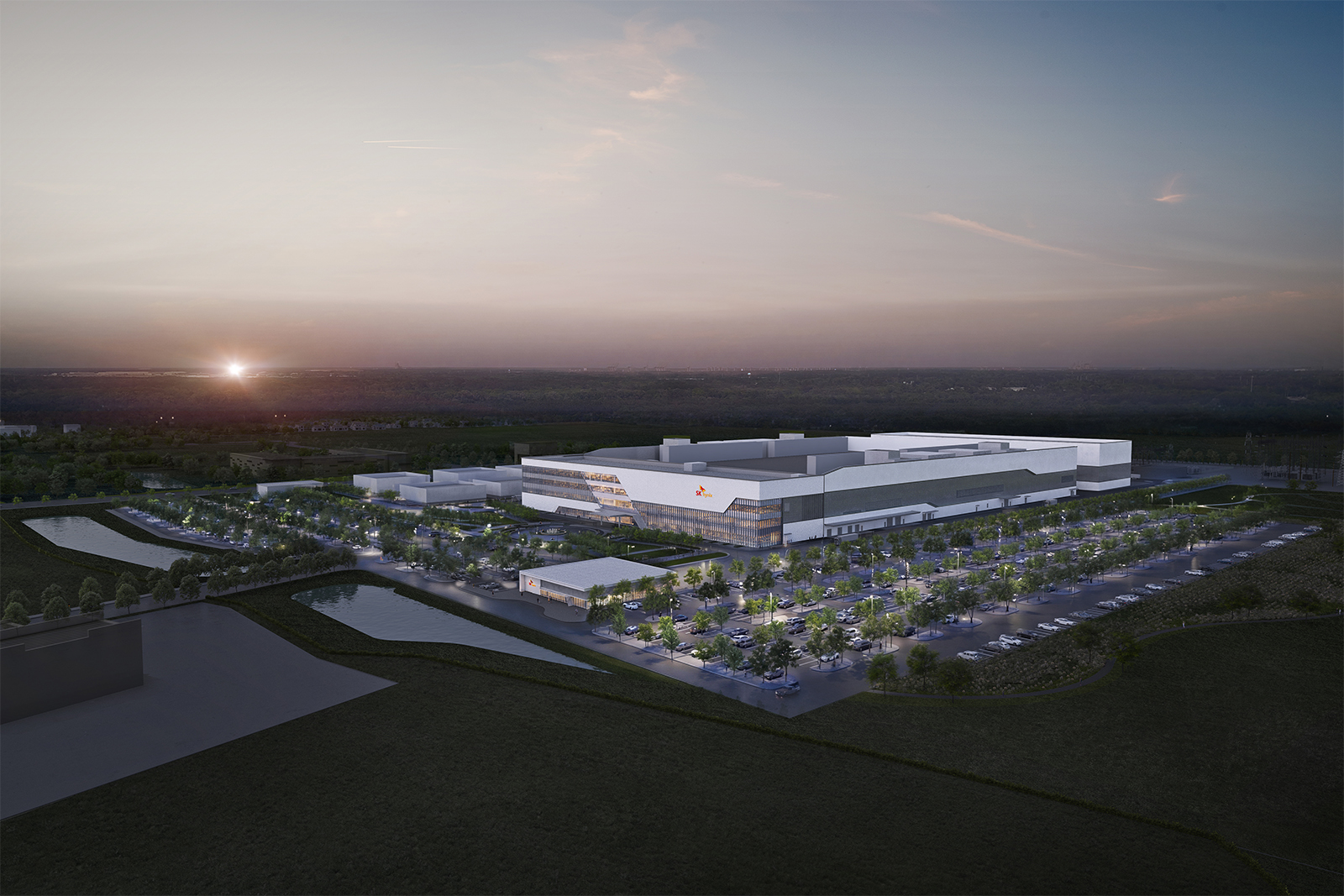
The 11,374 sq ft facility at Sunrise Enterprise Park is almost twice the size of the company’s previous headquarters. Assembly, administration, sales, stores, logistics, and technical functions will operate from the expanded site.
More than twelve new jobs are planned as production increases, including mechanical and electrical fitting positions alongside roles in finance, administration, sales, stores, and logistics.
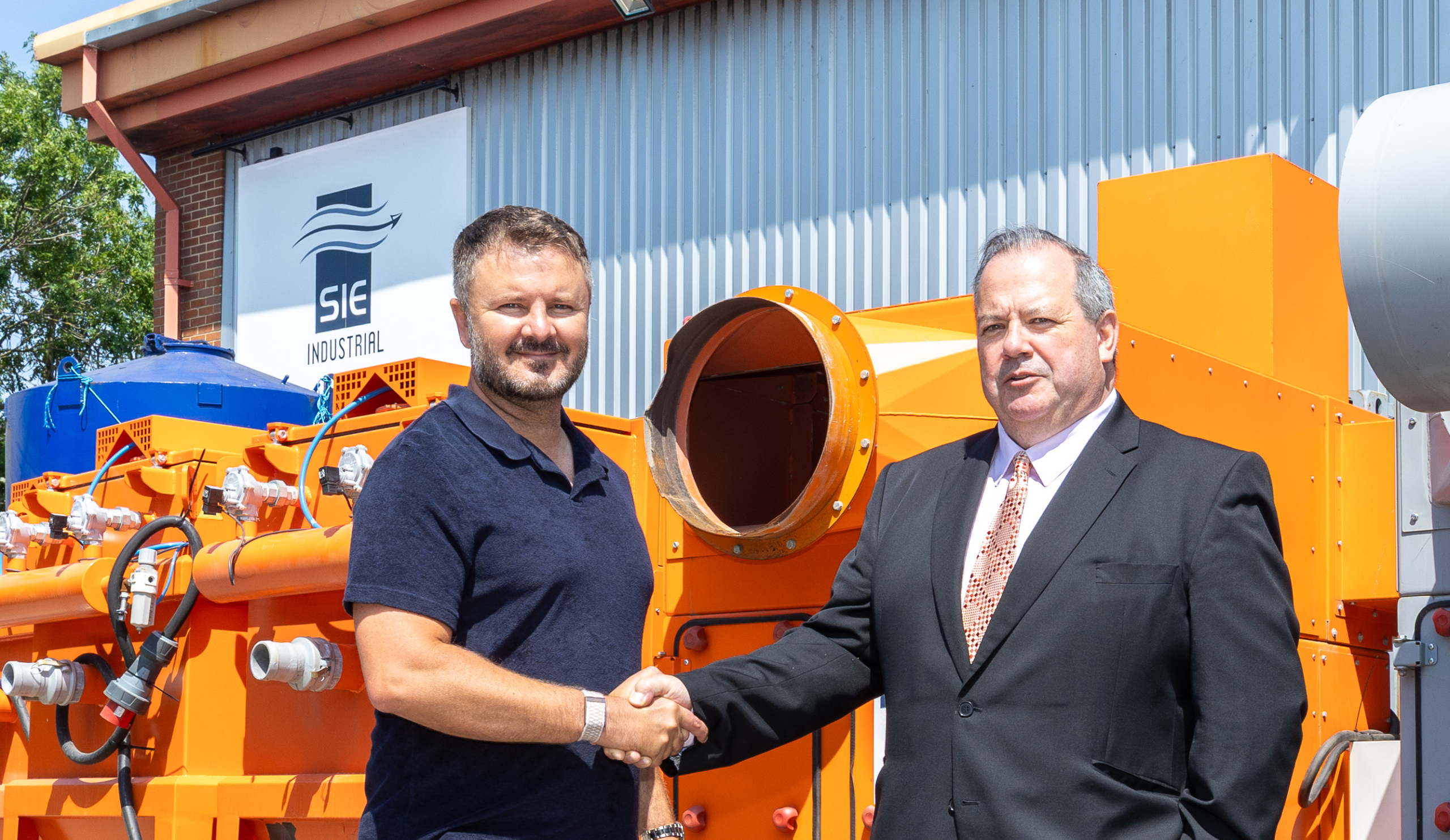
Founded in 1982 by Paul Bowen and now led by his son Gareth Bowen, the family-owned manufacturer produces abrasive-blasting, coating, dust-extraction, and vacuum-recovery equipment for industrial and infrastructure applications.
SIE machinery has been used during the construction and maintenance of naval vessels, railway stations, airports, the Forth Rail Bridge, and Hinkley Point C. Installation, maintenance, and troubleshooting services are also provided to customers operating across all seven continents.
Abrasive blasting and recovery equipment works under demanding conditions, handling dust, spent media, debris, pressure, high airflow, wear, and contamination. Machines must remain maintainable on project sites where downtime can interrupt coating, repair, inspection, or construction programmes.
Dust extraction has become increasingly important as surface preparation can release fine particles containing paint residues, corrosion products, metal, silica, and other hazardous substances. Correctly selected extraction and vacuum systems help contain material, improve visibility, and reduce exposure during operation and clean-up.
Recovery systems can also alter project economics. Abrasive that is collected, separated, and reused reduces fresh-material consumption and waste, while effective vacuum cleaning shortens the time required to prepare an area for inspection or coating.
Equipment specification varies substantially between sectors. A system used for bridge maintenance faces different access, hose, weather, and mobility requirements from a machine operating inside a shipyard, nuclear facility, manufacturing plant, or enclosed blasting hall.
Additional assembly and engineering space gives SIE greater scope to configure airflow, filtration, controls, power, dimensions, lifting arrangements, and storage around individual applications. Separation between assembly, testing, stores, and service activity can also improve workflow as the number of machines increases.
Pre-dispatch testing becomes particularly valuable where equipment is destined for remote or overseas projects. A wiring, sealing, airflow, or control issue can be corrected more efficiently in Sunderland than after delivery to an international shipyard or infrastructure site.
The expansion coincides with rising activity across defence, maritime, nuclear, and major infrastructure programmes, all of which contain large steel assets requiring surface preparation and corrosion protection throughout extended operating lives.
Coating durability depends heavily on surface condition before application. Contamination, corrosion, profile, dust, temperature, and humidity can undermine even a high-performance coating system, placing blasting and extraction equipment close to the lifecycle cost of the finished structure.
SIE has also established a base in the United Arab Emirates and appointed Gary Taylor as Strategic Relationship Director. The overseas operation provides a closer route into regional energy, maritime, construction, and industrial projects while Sunderland remains the company’s principal manufacturing and technical centre.
International growth expands the service obligation attached to each machine. Customers require consumables, spare parts, commissioning, maintenance, and technical advice across equipment that may remain in use for many years, making parts control and regional support increasingly important.
Recruitment may present a greater constraint than floor space. Mechanical and electrical fitters able to assemble, test, diagnose, and modify industrial machinery remain in demand across the North East, while apprentices need experienced staff to transfer product and application knowledge.
The larger plant gives SIE room to organise production more effectively and bring additional people into the business. Higher output will depend on supplier performance, inventory control, test discipline, workforce development, and the ability to maintain service standards as the installed base expands.
By retaining its engineering and assembly operation in Sunderland while opening an overseas commercial base, SIE is combining regional manufacturing with wider international coverage. The new facility provides the physical capacity for that model, with production consistency and technical support now carrying the next stage of growth.