BYD is nearing a decision on a second European vehicle plant, with Spain and France among the leading candidates as the Chinese electric vehicle manufacturer expands its local production strategy.
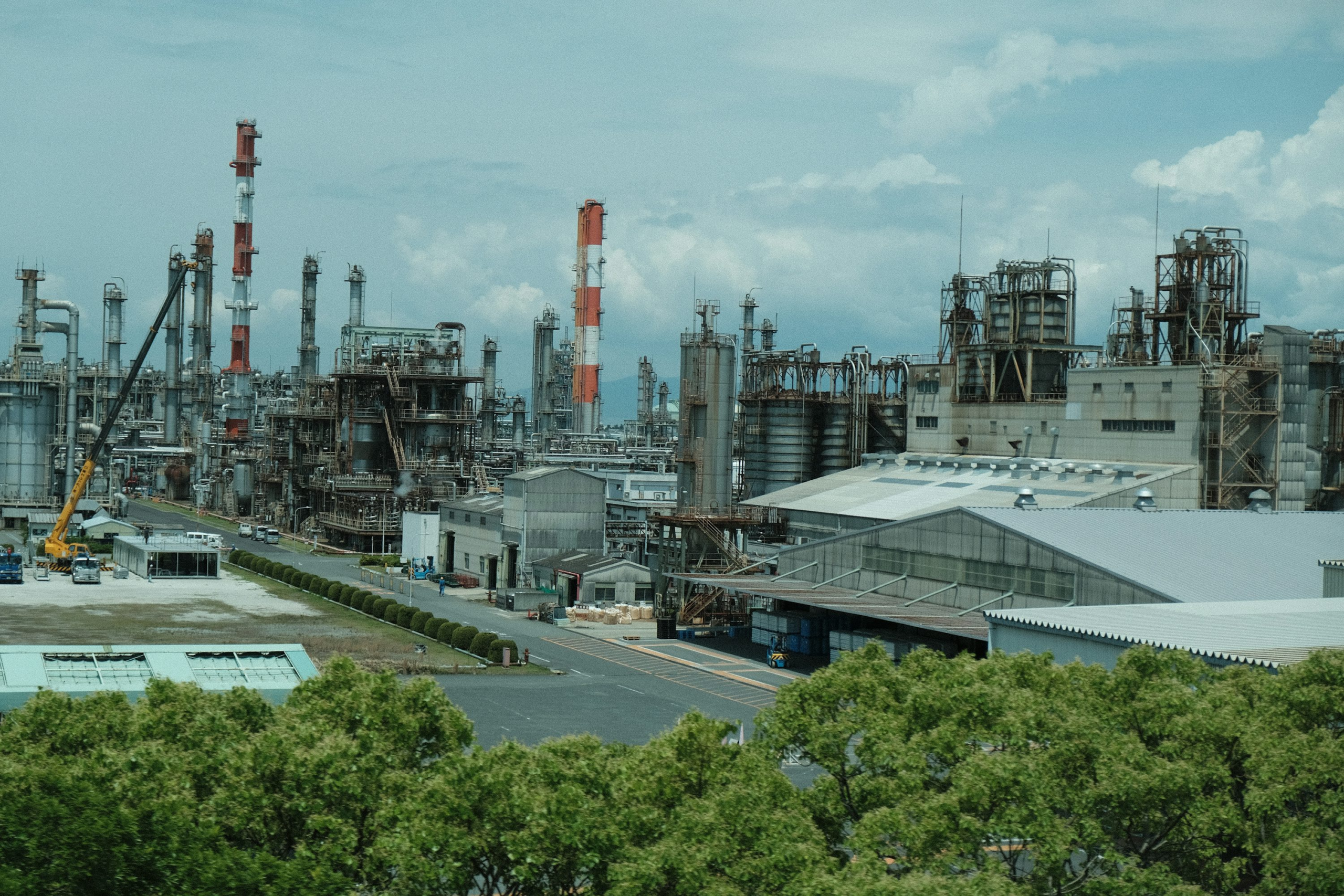
The company is understood to be considering the acquisition of an existing car manufacturing site rather than relying solely on a greenfield build. A brownfield route could shorten the path to production by giving BYD access to existing infrastructure, labour pools, logistics connections, utilities, permitting history, and automotive manufacturing know-how.
BYD is already preparing an assembly plant in Hungary, with production expected to begin in the fourth quarter. A second site would deepen its European manufacturing base and reduce dependence on imported vehicles at a time when the EU is tightening its focus on local production, value creation, and industrial competitiveness.
The expansion would increase pressure on established European carmakers. BYD’s European sales have been growing sharply, while legacy manufacturers continue to manage the cost of electrification, software development, battery sourcing, plant utilisation, and competition from lower-cost Chinese brands. The next competitive phase is no longer defined only by imported vehicles, but by Chinese manufacturers building inside Europe.
Local manufacturing gives BYD several advantages. It can reduce tariff exposure, improve supply chain responsiveness, support local content expectations, and increase confidence among fleet buyers and policymakers. It also allows the company to present itself as a European industrial investor rather than only an importer competing on price.
Trade policy is making that transition more urgent. EU proposals linked to “Made in Europe” rules and wider industrial protection have increased the value of local assembly and component sourcing. In parallel, UK manufacturers are warning that unresolved trade and rules of origin issues could expose battery electric and plug-in hybrid vehicle trade to tariffs from 2027.
Vehicle manufacturing is becoming more regional as governments prioritise supply security, emissions control, industrial employment, and strategic capability. Manufacturers, in turn, want to reduce logistics costs, navigate tariffs, and adapt vehicles more closely to regional demand. BYD’s second plant search sits directly inside that adjustment.
The likely use of an existing plant is particularly notable. Europe has a large automotive manufacturing base, but some sites face uncertain futures as combustion engine production declines and legacy manufacturers rationalise capacity. A new entrant taking over a plant could preserve industrial employment while changing the competitive structure of the sector. It could also accelerate technology transfer, supplier requalification, and workforce retraining.
Pressure across the German automotive sector shows the same structural shift. Established carmakers are dealing with tariff exposure, overcapacity, software costs, slower electric vehicle adoption, and strong Chinese competition, with Germany’s manufacturers losing ground in the transition. BYD’s European expansion is part of that same competitive reset.
The supply chain effect could be substantial. If BYD expands European assembly, suppliers of seats, plastics, castings, electronics, batteries, cabling, tyres, glass, interiors, thermal systems, and logistics services will assess whether they can win new programme work. Local production can also pull battery and power electronics suppliers closer to the vehicle plant, although the pace of localisation will depend on volumes, model strategy, procurement policy, and customer requirements.
Spain and France both offer clear attractions. Spain has established automotive capacity, competitive production costs, export infrastructure, and a growing EV supply chain. France brings a strong automotive labour base, industrial policy support, engineering capability, and proximity to major markets. Site availability, incentives, logistics, labour relations, energy costs, and retooling speed are likely to weigh heavily in the final decision.
The decision will be watched across Europe’s automotive manufacturing base. A second plant would not overturn the market on its own, but it would confirm that Chinese EV makers are moving from export-led growth into deeper European industrial presence. Competing with imported vehicles is one challenge. Competing with locally built Chinese-brand vehicles brings the contest directly onto Europe’s factory floor.