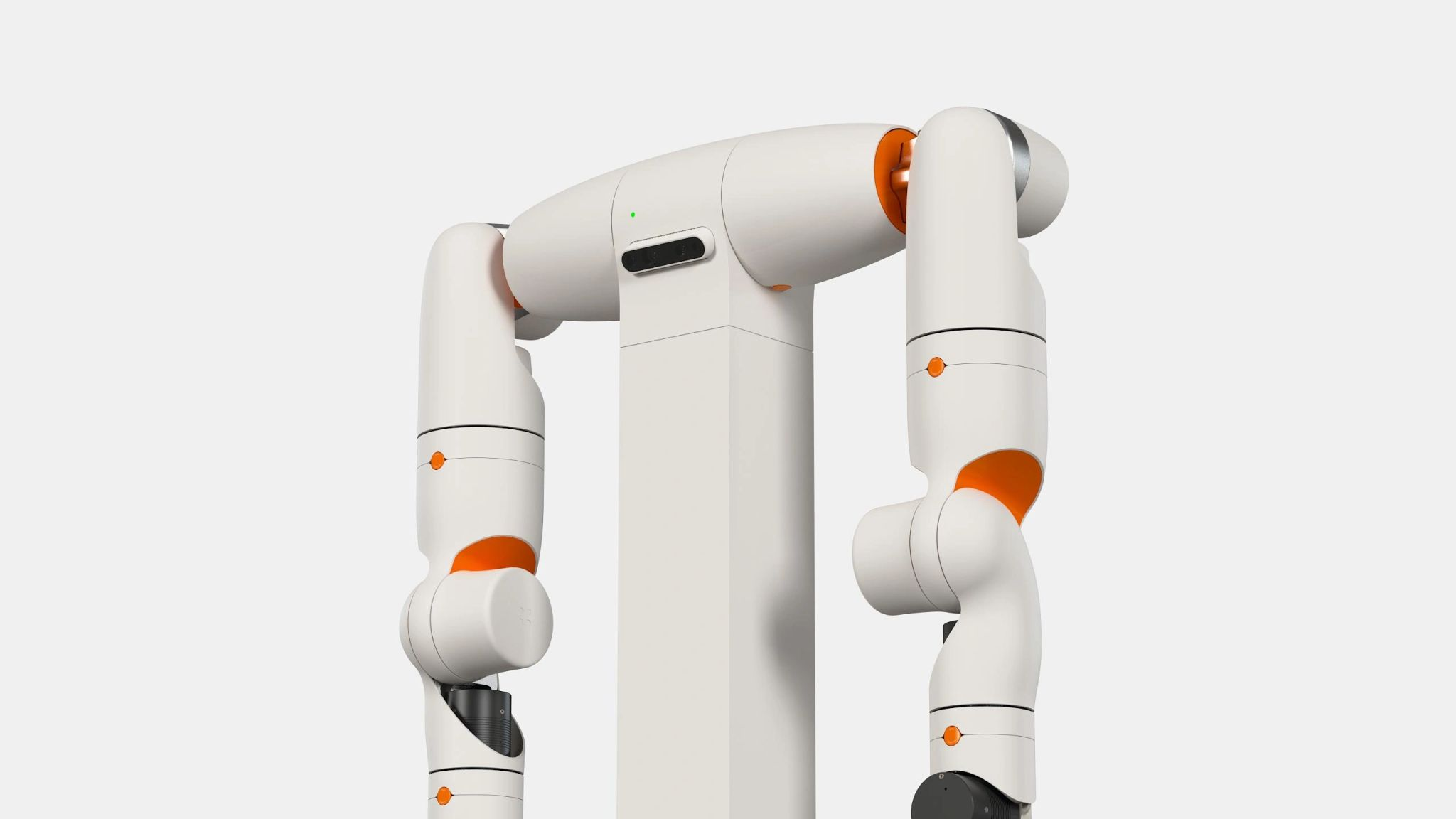
Roche has launched AXELIOS 1, a next-generation sequencing platform powered by sequencing by expansion technology and aimed initially at research workflows.
The company says the platform can support end-to-end same-day whole-genome sequencing in research settings, delivering accurate results within hours. AXELIOS 1 is designed to combine accuracy, speed, scalability, and workflow flexibility for laboratories working across a wide range of genomic applications.
The system uses Roche’s sequencing by expansion, or SBX, technology. The approach converts target nucleic acids into expanded surrogate molecules known as Xpandomer polymers, which are then read through nanopore-based sensing. Roche positions the method as a way to overcome signal-to-noise limitations associated with standard nanopore sequencing while preserving single-molecule speed.
AXELIOS 1 is being launched for research use only and is not intended for diagnostic procedures at this stage. That allows researchers to build experience with the platform, test applications, compare performance, and develop workflows before wider clinical versions or regulated applications are considered.
The launch places Roche more directly into a sequencing market long dominated by Illumina. Sequencing systems sit at the intersection of life science, precision engineering, semiconductor sensing, chemistry, software, bioinformatics, and workflow automation. Hardware performance alone is not enough; laboratories need dependable sample preparation, data pipelines, service support, and confidence in error profiles.
The engineering content is substantial. A modern sequencing platform brings together fluidics, sensing technology, reusable chip systems, reagent handling, thermal control, automation, electronics, mechanical stability, and high-volume data processing. The output is biological information, but the machine is a precision industrial system.
Roche’s move also reflects the broader convergence between medical technology, electronics, and software. AI-supported prenatal ultrasound and integrated medtech design and manufacturing both show how regulated healthcare products increasingly depend on hardware, software, data, and manufacturing control working together.
Sequencing demand is expanding across research, oncology, rare disease, infectious disease, population genomics, drug discovery, and translational medicine. Laboratories are being asked to process more samples, generate richer data, and reduce turnaround times without increasing operational complexity beyond what staff and infrastructure can support.
Same-day whole-genome sequencing in research workflows could alter how laboratories plan projects. Faster data generation can support more iterative research, reduce queue times, and improve responsiveness where timing influences experimental design. Adoption will depend on cost per run, accuracy, read characteristics, throughput, ease of use, service reliability, and integration with existing informatics systems.
Laboratories rarely switch platform families casually. Sequencing systems carry training requirements, validated workflows, software dependencies, purchasing decisions, service relationships, and data comparability issues. Established instruments remain attractive because users understand their strengths and limitations. New platforms have to prove performance in varied real-world use, not only in launch data.
Roche brings broad diagnostics and life science infrastructure to the product, along with experience in regulated markets, laboratory workflows, and global service support. Its challenge is to persuade early research users that SBX technology offers enough practical benefit to justify adoption alongside established sequencing systems.
Life science instrumentation is becoming more data intensive and sensor driven. The most valuable platforms will combine precise measurement, robust automation, reusable sensing elements, real-time analysis, and scalable software environments. AXELIOS 1 gives Roche a new position in that market, with laboratory uptake now set to determine how far the platform moves beyond early research adoption.