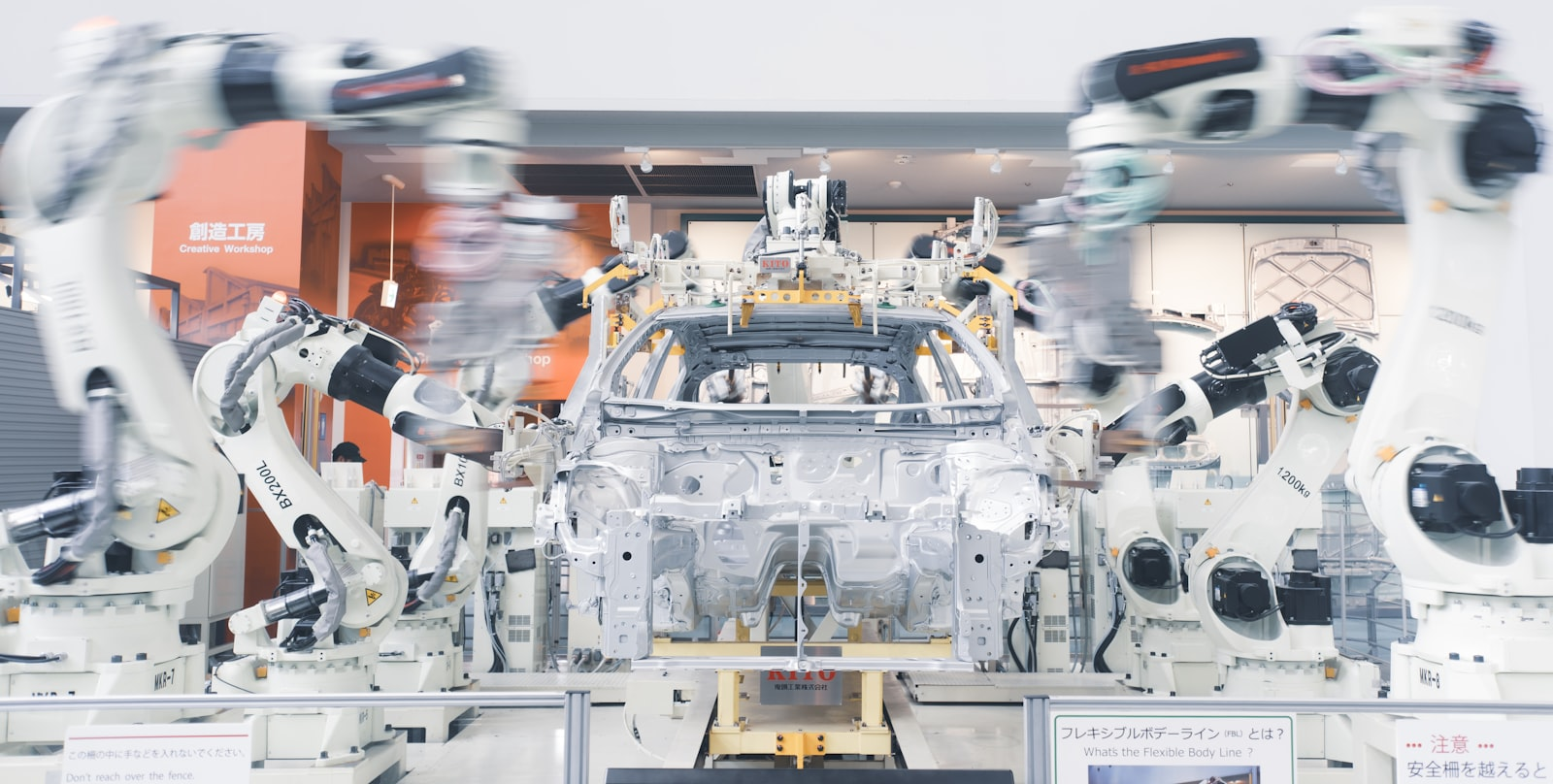
SEAT has transformed a major section of its Martorell plant for production of the Cupra Raval, adapting nearly 160,000 square metres of factory space and adding 1,000 robots to the refreshed Line 1 operation.
The upgraded production process supports the Cupra Raval, one of the key electric models in the Volkswagen Group’s urban electric car programme. The plant update includes new and refurbished facilities, a workforce trained for electrification, updated bodywork processes, and an optimised production flow for series production.
Martorell’s Line 1 has been reworked around the requirements of electric vehicle manufacturing. The transformation includes new robotics in body production, changes to press and body shop operations, updated joining processes, and production routines suited to a different vehicle architecture. Cupra has described the plant as ready for a new chapter, with the Raval moving through an updated production system from component level to finished vehicle.
The scale of the automation investment shows how European automotive plants are adapting established manufacturing footprints to new product architectures. Electric vehicles change body structures, underbody packaging, battery integration, thermal systems, electrical architecture, end of line testing, and quality checks. A plant built around internal combustion vehicle flows cannot simply change product without major production engineering work.
Spanish vehicle manufacturing is becoming an important part of Europe’s electric production cycle. Mercedes-Benz Vans has also started VLE production at Vitoria after a two-year transformation programme, reinforcing the role of large established plants in the shift towards electric platforms. These projects are not only model launches; they are tests of whether European factories can absorb new architectures, protect employment, and remain cost competitive.
The addition of 1,000 robots also reflects how automotive automation has moved beyond capacity alone. Robots improve repeatability, weld consistency, handling accuracy, and process stability, but their value depends on tooling, fixtures, conveyors, cycle balancing, maintenance planning, safety systems, line control, and production data. A factory transformation of this scale depends on the whole manufacturing system, not just the visible robot population.
European vehicle manufacturers are making these investments while facing uneven demand, competition from lower-cost electric vehicle producers, energy cost pressure, and uncertainty around incentives. Manufacturing flexibility has become essential. Plants need to ramp new models, manage changing volumes, and control cost without locking themselves into equipment that can support only one narrow product cycle.
The Cupra Raval carries strategic weight for SEAT and Cupra because urban electric vehicles are central to making EV adoption more accessible in Europe. Margins can be tight in smaller vehicle segments, which places heavy pressure on production efficiency, battery supply, material cost, automation strategy, and platform sharing.
Vehicle plants also have to manage workforce transition. Electrification changes the skills required on production lines and in maintenance teams. Operators and technicians need to understand new processes, high voltage systems, battery-related handling, software driven testing, and updated quality controls. Training becomes part of the production investment because equipment alone cannot stabilise a launch.
The Martorell upgrade gives the Volkswagen Group a Spanish production base for a critical vehicle family. The industrial test will come during ramp-up. Robot numbers and factory space show the scale of investment, but output stability, quality performance, line flexibility, and cost control will determine whether the plant remains competitive as electric vehicle demand continues to shift across Europe.