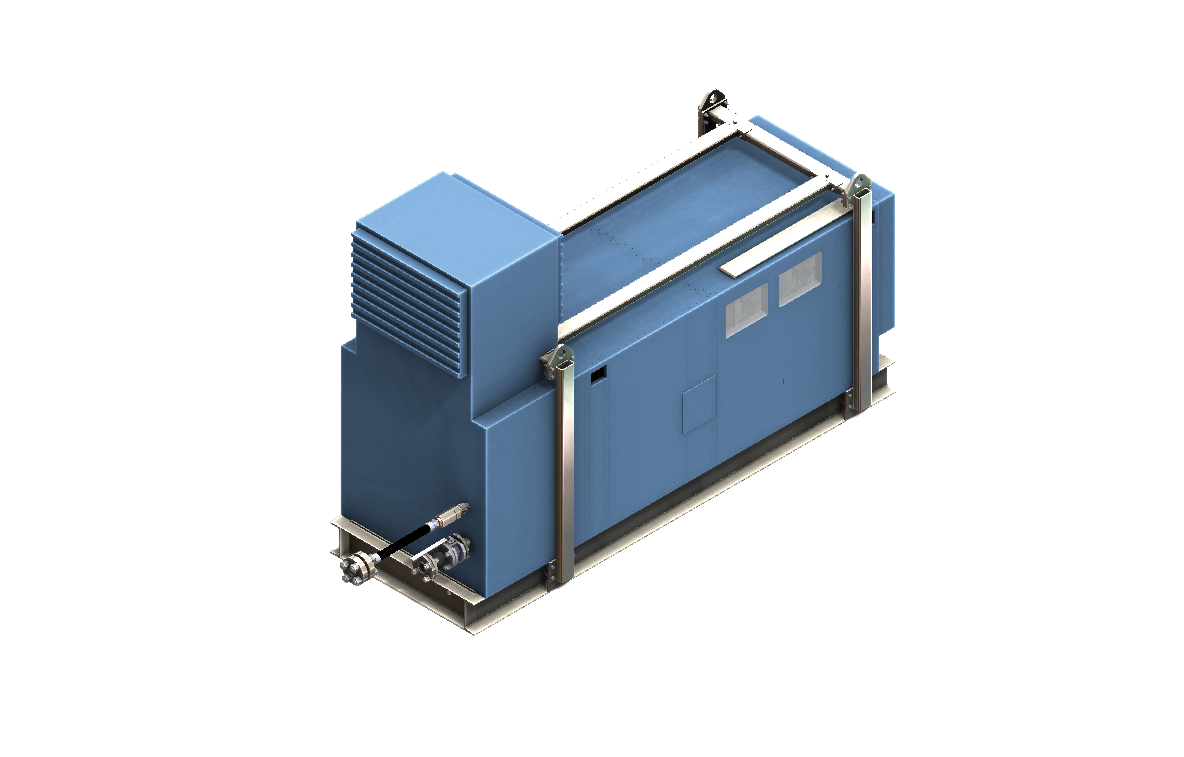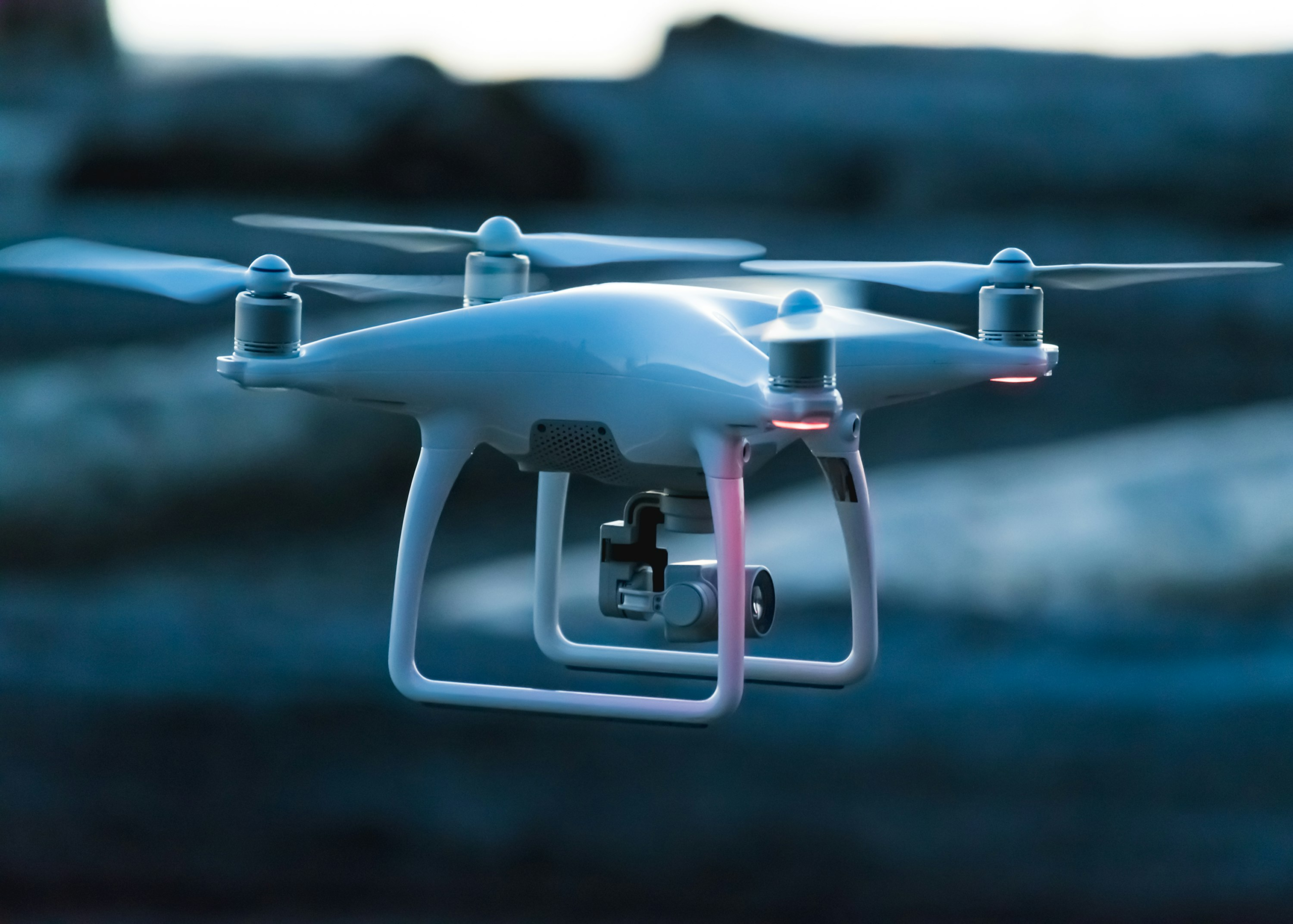
Renault Group and Thales have formed a strategic partnership to develop and manufacture TOUTATIS remotely operated loitering munitions at scale in France.
The agreement combines Renault’s automotive manufacturing capability with Thales’ defence systems expertise. Production is expected to draw on industrial methods more familiar to vehicle manufacturing, including process discipline, cost reduction, supplier coordination, and repeatable assembly.
The companies intend to support a sovereign drone industry in France. Renault is expected to produce the systems at one of its factories, using an industrial route that can move output closer to the monthly volumes required by modern defence demand.
TOUTATIS is a short-range remotely operated munition, but the wider manufacturing development lies in the production model behind it. Defence programmes across Europe are moving from small batches and long procurement cycles toward faster, repeatable, and more scalable output.
The war in Ukraine has changed expectations around drones, loitering munitions, counter-drone systems, and battlefield replenishment. Low-cost remotely operated systems are being consumed at rates that traditional defence manufacturing models were not designed to support. That has pushed governments and primes to examine civilian manufacturing sectors with deeper experience in process optimisation, supplier management, and volume production.
The same production pressure can be seen in new air defence manufacturing partnerships, where military systems companies are drawing on wider industrial capacity to support output. Across Europe, the challenge is turning urgent operational requirements into reliable production without waiting for bespoke defence supply chains to expand slowly.
Automotive production brings useful discipline to that environment. Renault has experience in takt time management, factory layout, supplier development, quality systems, cost engineering, and production ramp-up. Those methods do not transfer automatically to defence, where safety, regulatory, security, and export control requirements are different, but they help address the manufacturing constraint now sitting behind many defence capability gaps.
Thales brings systems engineering, mission technology, secure communications, defence electronics, and military customer knowledge. The partnership therefore joins defence system expertise with an industrialisation culture shaped by high-volume complex product manufacturing.
Maintaining consistency while simplifying production will be a central test. Moving toward component reduction, injection moulding, and more repeatable assembly methods can lower cost and improve output, but only if qualification, reliability, and safety requirements are preserved. Automotive engineering is familiar with that balance, where production cost, assembly time, and supply stability are designed into the product before the factory is asked to scale.
Europe’s defence industrial base is under pressure to prove it can increase capacity quickly. Spending announcements alone do not procure materials, qualify suppliers, recruit staff, secure factory space, validate processes, or maintain quality under output pressure. Civilian manufacturing companies cannot solve that challenge alone, but their involvement shows a broader mobilisation of industrial capability.
The partnership also raises a longer-term question for European manufacturing. Companies with large production systems may find new roles in national security supply chains as defence demand rises. That could create opportunities for factories, engineers, and suppliers, while also requiring careful management of export controls, workforce expectations, programme governance, and public scrutiny.
The Renault and Thales agreement shows how the boundary between automotive manufacturing and defence production is becoming more porous. The decisive capability is no longer only the design of a drone. It is the ability to produce it repeatedly, at controlled cost, and at a pace that reflects operational demand.