WEC Group has passed 1,100 employees after a year of investment, contract wins, and rising demand across its UK manufacturing operations.
The Lancashire-based engineering and fabrication group said its workforce has grown from around 900 to more than 1,100 people over the past 12 months. More than 120 vacancies remain live across the business, with skilled welding and machining roles among the highest priorities.
The growth has been supported by investment across the group, including heavy machining expansion and continued development at MTL Advanced’s 387,000 sq ft Rotherham facility. WEC says the investment is increasing capacity for larger and more technically demanding projects across critical sectors including nuclear, defence, infrastructure, and advanced manufacturing.
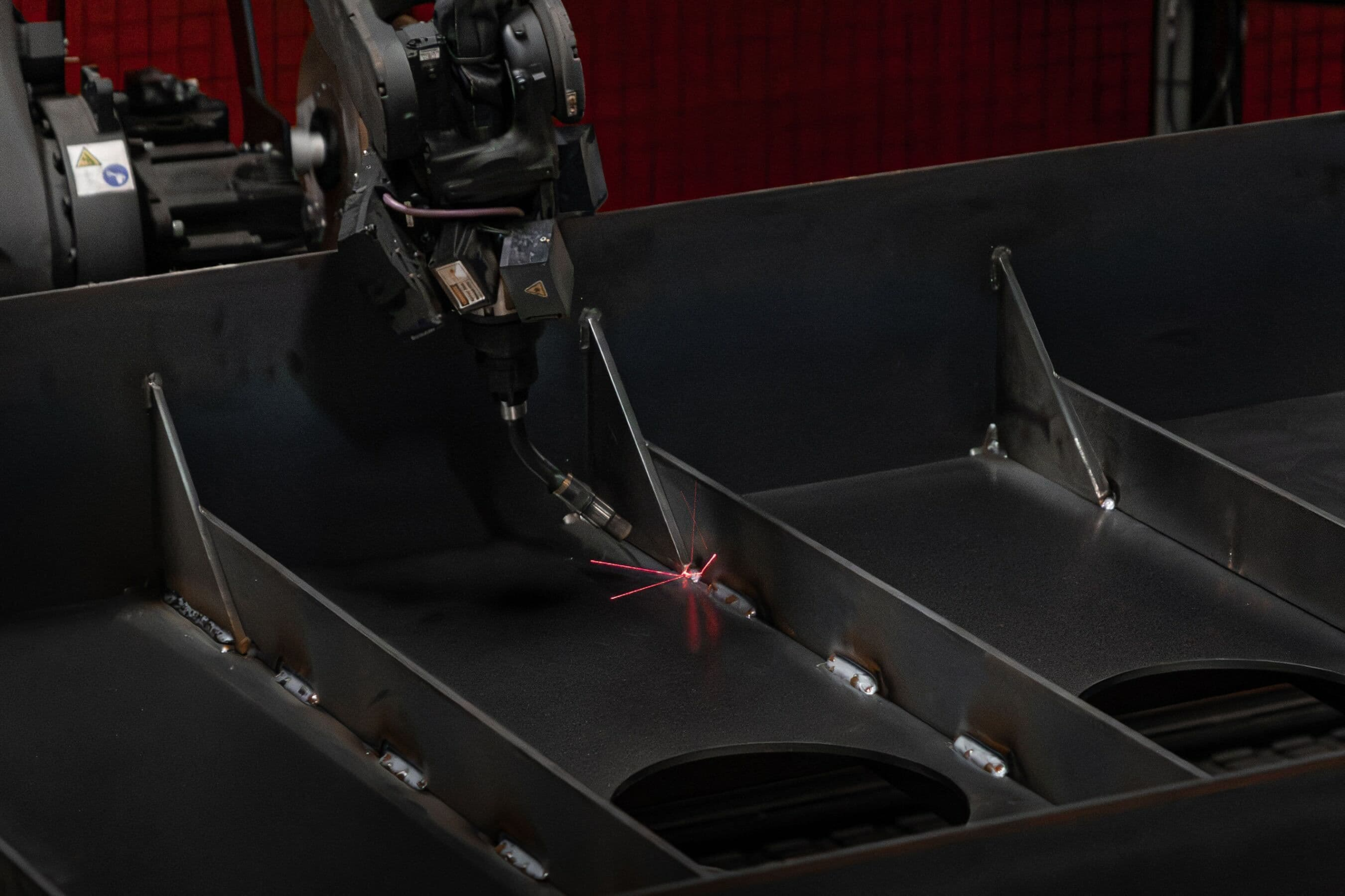
The company operates across 10 UK manufacturing sites in Blackburn with Darwen, Rotherham, Knowsley, Coventry, Sherburn-in-Elmet, and Bournemouth. Its activities include fabrication, laser cutting, CNC machining, coded welding, CCTV structures, rail products, and specialist contract manufacturing.
Recruitment is being matched with a larger apprenticeship intake. Around 40 apprentices are expected to join the group in September through the WEC Engineering Academy, with further apprentice vacancies available at MTL Advanced in Rotherham. The programme gives the group a route to build welding, machining, fabrication, and engineering capability rather than relying solely on an already stretched labour market.
WEC’s expansion comes at a point when capacity and skills are becoming strategic concerns across UK industry. Manufacturing demand is uneven, but specialist engineering companies serving nuclear, defence, rail, infrastructure, and high-integrity fabrication markets are under pressure to demonstrate that they can scale without weakening quality, certification, or delivery performance.
That pressure is especially acute in sectors where supply chains cannot be expanded casually. Defence and nuclear customers need process discipline, documentation, coded welding, precision machining, inspection capacity, and suppliers with enough operational strength to support long programmes. Headcount growth, new machinery, and larger facilities create value only when they translate into dependable output.
Rubix’s index of manufacturing resilience showed companies strengthening maintenance, uptime, skills, and supplier discipline while market conditions remain unstable. WEC’s expansion follows the same industrial pattern: investment is being directed at capacity, labour, and operational control rather than waiting for a cleaner economic backdrop.
Regional manufacturing clusters remain central to that process. Lancashire, South Yorkshire, Coventry, and other established engineering areas still contain deep pools of industrial knowledge, but experienced labour is limited. Companies recruiting at scale must compete for welders, machinists, production engineers, quality staff, project managers, and apprentices at a time when many older workers are nearing retirement.
The apprenticeship pipeline therefore carries more weight than a recruitment figure alone. New machinery increases potential capacity, but skilled people determine whether that capacity becomes reliable production. Heavy machining and advanced fabrication require judgement built over time, particularly where work involves large components, demanding materials, tight tolerances, or strict customer standards.
For UK manufacturing, WEC’s milestone offers a useful counterweight to weaker sentiment in parts of the sector. Growth remains possible where investment, sector demand, and specialist capability align. The harder question is whether the wider industrial base can produce enough skilled labour to support similar expansion across multiple critical sectors at once.
If companies serving nuclear, defence, energy, infrastructure, and advanced engineering are all hiring from the same constrained skills pool, workforce development will become one of the main limits on industrial ambition. WEC’s growth shows there is still appetite to invest in UK manufacturing capacity. The next test is whether recruitment, training, and capital expenditure can be converted into consistent programme delivery at scale.