
A new study from the Mining Remediation Authority busts myths around the risks of drilling into abandoned coal mines for mine water heat schemes. The research provides the strongest evidence yet that this low-carbon technology is technically achievable, cost-effective and ready to scale, offering a major boost to the UK’s ambitions for clean, secure, and locally sourced energy.
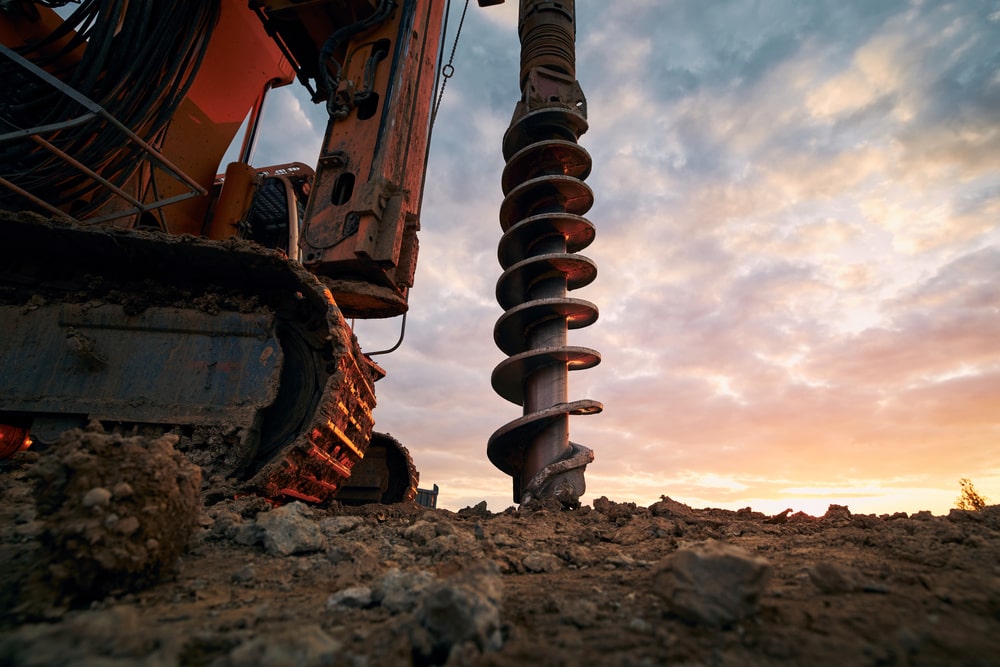
The open-access research: “Drilling into Coal Mine Workings: Overview and Experience from Britain’s Coalfields”, analysed 564 boreholes drilled across Great Britain. It found that 87% of boreholes successfully delivered on their intended purpose, including monitoring, gas venting and water abstraction. More than 75% of those targeting mine voids successfully reached their target, confirming the predictability and feasibility of accessing mine water heat.
This work directly addresses any concerns about the technical and financial risks of drilling into former coal mines for low-carbon heating, cooling, and thermal storage. It provides a robust evidence base to support the rollout of mine water heat networks, a reliable source of green energy beneath many former coalfield communities, which is currently underused.
Lee Wyatt, lead author and Senior Hydrogeologist at the Mining Remediation Authority, said: “This study shows that drilling into coal mine workings is not the high-risk activity it’s often perceived to be. With the right planning, design, and expertise, success rates are high, and this opens the door for more confident investment in mine water heat networks. This has the ability to decarbonise heat, reduce energy bills, and regenerate former coalfield communities.”
Key findings:
- 87% of boreholes were suitable for their original purpose.
- More than 75% success rate for hitting targeted mine voids.
- 97% success rate for deeper boreholes (over 300m), where mine plans are more accurate.
- Boreholes targeting roadways had a 77% success rate in hitting voids and 85% suitability for their intended use.
The study supports our mission to unlock the potential of Britain’s coalfields for sustainable development and energy transition. It gives developers, local authorities and infrastructure planners greater confidence in mine water heat as a dependable, scalable energy source.
It also complements research from initiatives like the UK Geoenergy Observatories, which continue to improve geological understanding of mine heat systems and their role in the energy transition.