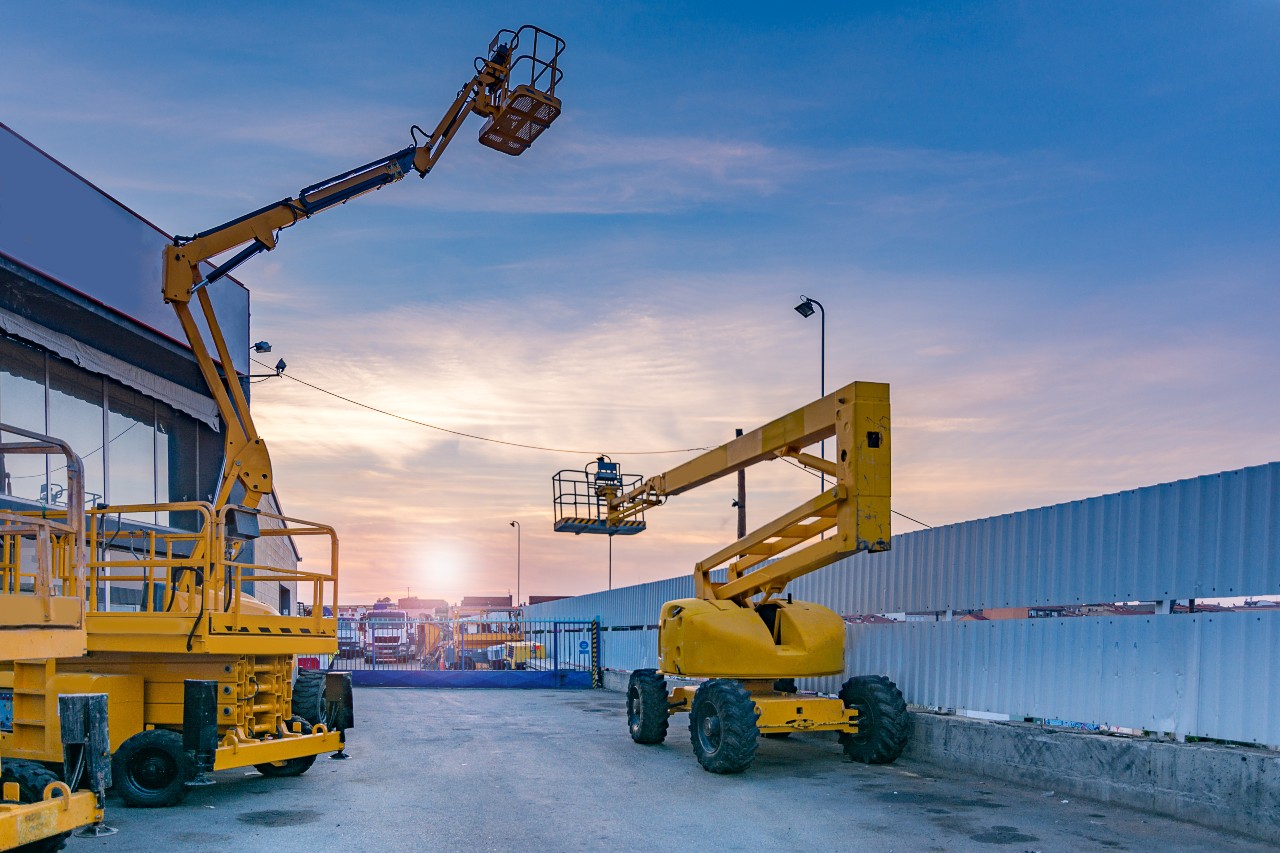
In the construction industry, safety is more than just a priority, it’s a necessity. One of the most common causes of accidents on construction sites is working at height. With the growing use of powered access equipment such as scissor lifts, cherry pickers, and boom lifts, proper training has become essential. This is where IPAF training plays a critical role. Boss Training provides IPAF training courses designed to promote safety and awareness for those working in construction.
What is IPAF?
IPAF stands for the International Powered Access Federation. It’s a globally recognised organisation that promotes the safe and effective use of powered access equipment. IPAF offers certified training programs to ensure that operators, supervisors, and managers understand how to safely use Mobile Elevating Work Platforms (MEWPs), mast climbing work platforms, and other powered access tools.
Key Benefits of IPAF Training
1. Improved Safety on Site
The primary goal of IPAF training is to reduce accidents and fatalities. Trainees learn how to:
- Assess risks at height
- Conduct pre-use equipment inspections
- Operate machines safely under different conditions
This knowledge directly contributes to fewer injuries and fatalities on site.
2. Legal and Regulatory Compliance
In many countries, including the UK and much of the EU, employers are legally required to ensure workers are competent when using powered access equipment. IPAF certification helps construction companies meet:
- Work at Height Regulations
- PUWER (Provision and Use of Work Equipment Regulations)
- Local health and safety legislation
3. Increased Job Opportunities
Holding a valid IPAF PAL (Powered Access Licence) card is often a prerequisite for working on many construction sites. For workers, this means:
- Access to more job opportunities
- Higher earning potential
- Demonstrated professionalism and skill
4. Boosted Productivity
Trained workers can operate equipment more efficiently and with greater confidence. This results in:
- Faster job completion
- Fewer equipment-related delays
- Less downtime from accidents or errors
5. Protecting Equipment and Reducing Costs
Operators who are properly trained are less likely to misuse or damage expensive machinery. This leads to:
- Lower repair costs
- Extended equipment lifespan
- Reduced insurance claims and premiums
What Does IPAF Training Include?
IPAF offers various categories of training depending on the type of equipment. The most common courses include:
- 3a (Mobile Vertical): e.g. scissor lifts
- 3b (Mobile Boom): e.g. cherry pickers
- 1b (Static Boom): e.g. vehicle-mounted platforms
Each course includes a mix of:
- Classroom theory
- Practical hands-on training
- Written and practical assessments
Upon passing, trainees receive a PAL Card valid for 5 years, recognised worldwide.
Who Should Take IPAF Training?
- Operators: Anyone who operates MEWPs
- Supervisors: Those who manage teams using powered access equipment
- Managers: Site managers responsible for overall site safety
The construction industry is evolving rapidly, with new machinery and technology making work more efficient, but also potentially more dangerous. IPAF training is a key investment in both worker safety and operational success. It empowers construction professionals with the knowledge, skills, and certification they need to work confidently and responsibly at height.