Belgian industrial property developer WDP has begun construction of a €14 million manufacturing facility for Siemens in Sibiu, Romania, providing approximately 15,000 sq m of industrial space for the production of low-voltage electrical protection, switching and monitoring equipment.
The development is located at WDP Park Sibiu and will be leased to Siemens under a 15-year agreement. It will accommodate the modernisation and partial relocation of existing Siemens manufacturing operations in the city.
Construction began in November, following earlier planning and investment agreements between the companies. WDP's development programme indicates a targeted property handover during the fourth quarter of 2027, while Siemens has previously identified 2028 as the intended period for bringing the new factory into operation.
Siemens plans to use its digital engineering and automation technologies in the facility, including digital twin software to assess manufacturing layouts, equipment configurations and production workflows before machinery is installed.
The factory will manufacture products from the Siemens SENTRON portfolio, which includes electrical protection, switching, measurement and monitoring equipment for industrial and building installations.
Products identified for the new operation include miniature circuit breakers, residual current circuit breakers, combined residual current and overcurrent protection devices, and electronic circuit protection equipment.
These components perform different functions within electrical distribution systems. Miniature circuit breakers are designed to interrupt circuits under specified overcurrent conditions, while residual current devices detect imbalances associated with current flowing outside the intended electrical path.
Combined protection devices incorporate functions addressing both residual current and overcurrent conditions. Their design, ratings and operating characteristics must meet the requirements applicable to the electrical installation in which they are used.
Manufacturing these products requires coordinated assembly of mechanical, electrical and electronic components, followed by testing appropriate to their specifications.
Individual products may contain contacts, springs, operating mechanisms, sensing elements and other components whose dimensions and performance influence the operation of the completed device.
Production engineering must account for component tolerances, assembly sequences and the inspection arrangements needed to establish that finished equipment meets its design requirements.
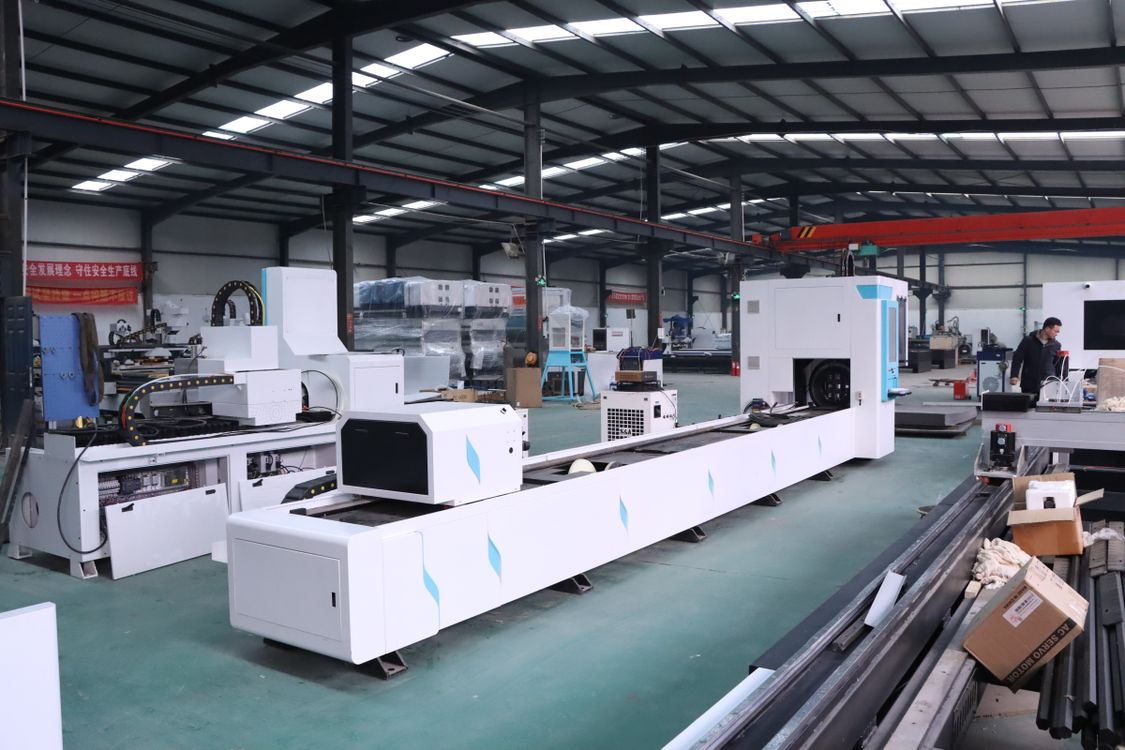
These activities place demands on machinery, material handling and quality control. Production systems must ensure that the correct components reach each operation and that manufacturing processes are performed consistently.
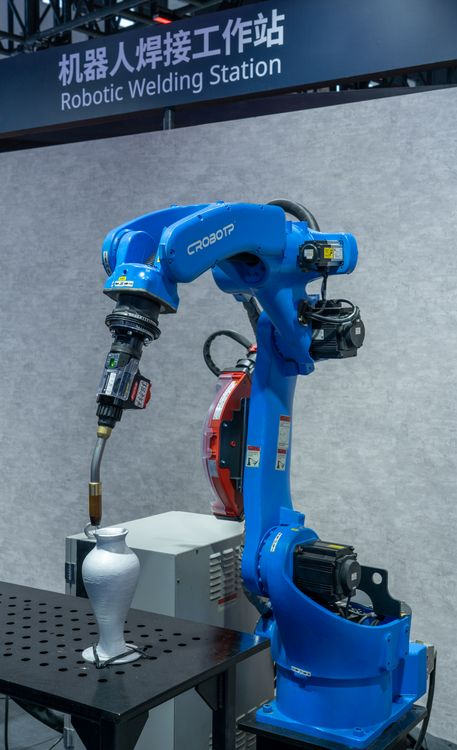
Siemens intends to develop the new site as a data-driven factory incorporating additional automation, robotics and digital technologies. The company has identified equipment handling, assembly and testing among the activities in which these technologies may be applied.
Detailed specifications for the machinery and robotic systems selected for the new factory have not been disclosed. The planned use of automation should therefore be distinguished from completed installations already operating at the site.
The development will use Siemens Digital Twin technology during production planning. A digital representation of the proposed manufacturing environment can include the positions of machinery, material storage, handling routes and other equipment.
Engineers can examine different arrangements to determine whether the space available supports the required production sequence and whether equipment can operate without creating unnecessary restrictions on material movement.
The arrangement of workstations influences how components move through manufacturing. If a production stage is placed too far from its preceding operation, additional handling may be required to transfer material between processes.
Where equipment is concentrated within a restricted area, maintenance access and the movement of employees or handling machinery may become more difficult. Manufacturing layout decisions must therefore accommodate operating requirements beyond the dimensions of the production equipment itself.
Digital simulation allows some of these considerations to be examined before construction and installation are complete. The accuracy of the resulting assessment depends on the information used to represent machinery dimensions, operating cycles and expected material flows.
Although virtual planning can identify potential constraints, the final installation still requires commissioning and validation. Actual equipment behaviour, manufacturing tolerances and operating conditions must be assessed once production systems have been assembled.
The Sibiu project also involves relocating part of an existing manufacturing operation. Transferring established processes requires coordination between production schedules, equipment movement, installation and the qualification of the new arrangements.
Machinery may need to be disconnected, moved, reinstalled and tested before production resumes. Where production must continue during the relocation, the manufacturer has to account for the availability of equipment and components at both locations.
WDP is responsible for developing the industrial premises, while Siemens will operate the manufacturing activities. The approximately €14 million investment relates to the property development and should not automatically be treated as the total expenditure associated with manufacturing equipment.
The project extends a partnership between WDP and Siemens that has developed over more than a decade. WDP owns the land at Sibiu and will provide the premises through the long-term lease arrangement.
Siemens has described the development as part of a wider strategy to strengthen its global production network, with an emphasis on digital manufacturing, flexibility and environmental performance.
The new factory is intended to operate on a carbon-neutral basis, supported by energy-efficient building services and manufacturing arrangements. This remains a design objective rather than a verified operating result.
Electrical consumption at the site will depend on the machinery installed, production schedules and supporting infrastructure. Automation equipment, testing systems, ventilation, lighting and other services will contribute to the total energy demand.
Energy monitoring can support the assessment of consumption across different activities, although its effectiveness depends on the location and accuracy of measurement equipment and the information available about operating conditions.
The developer's approximately 15,000 sq m figure is consistent with the size of the planned industrial property, while Siemens' earlier planning information described approximately 14,500 sq m of production space. The figures concern different descriptions of the project and should not be treated as evidence of a completed change in building size.
Siemens has not disclosed a confirmed annual production capacity, revised employment figure or complete manufacturing equipment specification for the new operation.
The next stage will involve completing the industrial building and preparing the manufacturing equipment for installation and commissioning. WDP's fourth-quarter 2027 delivery target provides the property timetable, with Siemens planning to bring the new SENTRON manufacturing operation into service during 2028.