The US has opened national security probes into robotics imports.
The Commerce Department confirmed on 24 September that new Section 232 investigations will examine the reliance of US supply chains on foreign medical devices, industrial machinery, and robotics systems. The inquiries were initiated earlier in the month but disclosed only this week.
The scope spans a wide array of products, from syringes and imaging machines to programmable robotics, welding systems, industrial ovens, laser and water-cutting tools, and specialist machine tools. The department is seeking input on projected demand, US manufacturing capacity, and the role of foreign suppliers — particularly China — across these categories.
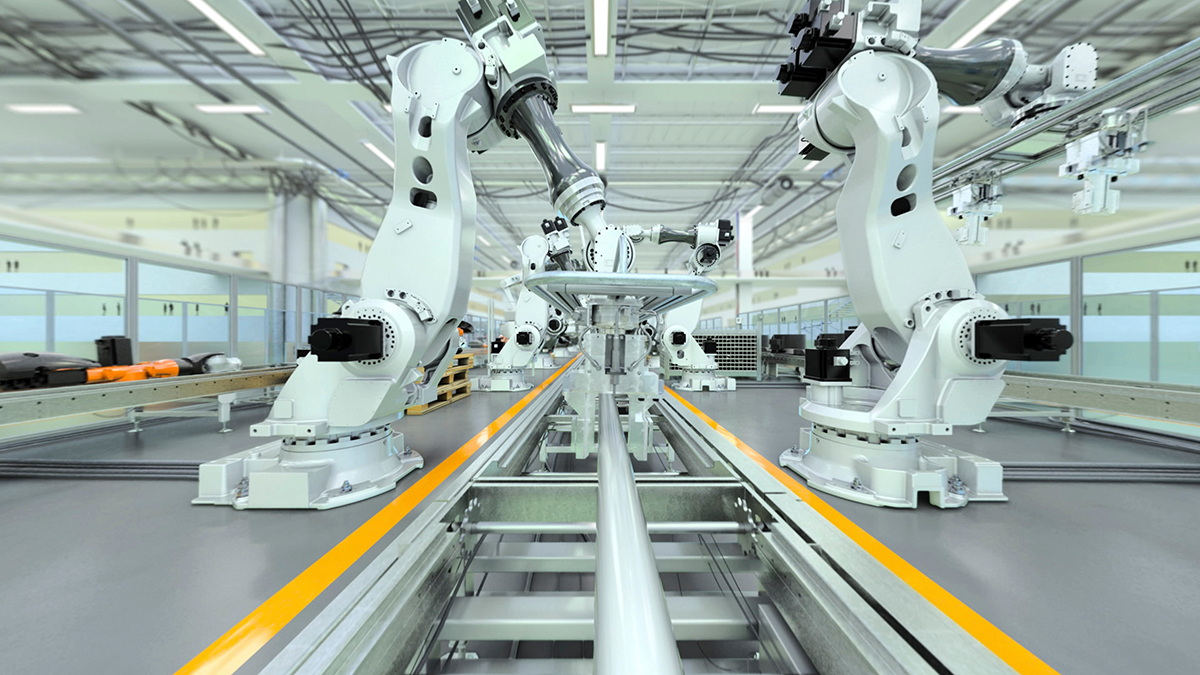
While medical technology has drawn most immediate comment, the addition of robotics and capital machinery is strategically notable. By naming programmable robotics and precision equipment, Washington is signalling that automation is now viewed as a national security asset rather than a neutral productivity tool.
The move follows a pattern of Section 232 actions extending beyond metals to cover autos, semiconductors, drones, and pharmaceuticals. Officials have argued that over-reliance on foreign industrial inputs could compromise US resilience in a crisis, leaving advanced manufacturing capacity hostage to external suppliers.
For robotics and machinery suppliers, the immediate effect is uncertainty. Any eventual tariffs or quotas would raise costs for US integrators and end-users, particularly in sectors already under pressure to automate amid persistent labour shortages. Disruption in supply or extended lead times could ripple through industries from automotive assembly to electronics manufacturing.
Medical technology groups are already responding. Philips disclosed on 25 September that it is in talks with US authorities over the investigations, though it does not expect near-term operational consequences. Its shares fell following the announcement, highlighting investor sensitivity to tariff exposure.
In industrial automation, industry responses during the consultation period will be critical. Stakeholders are expected to press for exemptions in areas where domestic alternatives are scarce, especially for high-precision robotics and specialist cutting or handling equipment. The Commerce Department’s findings will ultimately be passed to the White House, which will decide whether to impose trade measures.
Strategically, the probes underscore the Biden administration’s intent to secure manufacturing capability along the full value chain. By extending tariff scrutiny to capital goods, Washington is effectively treating the machinery of automation as a foundation of industrial sovereignty.
The outcome will set the tone for future supply chain policy. If tariffs are enacted, US robotics manufacturers could see a policy-driven boost. But retaliation from trading partners, including China and the EU, cannot be ruled out. WTO challenges may also follow if the measures are perceived as protectionist.
For now, the probes introduce another layer of geopolitical risk into global industrial supply chains. The consultation window and subsequent recommendations will determine whether robotics and machinery join steel, aluminium, and semiconductors on Washington’s growing list of tariff-tested sectors.