With new materials, stricter regulations and changing customer expectations, we’re seeing a new approach to how buildings are designed. Clients now want spaces that cost less to run and are kinder to the planet, and they expect professionals who can deliver both.
By keeping ahead of the latest developments, you not only meet those expectations but also maintain a competitive edge.
Energy efficiency
Energy performance is a key focus for every new project. Whether you’re fitting out a new home or upgrading an older property, you’ll be expected to focus on green solutions that deliver cheaper bills for your clients.
You can make a difference by making recommendations like better insulation, double or triple glazing, and efficient boilers or heat pumps. Insulation is a cost-effective way to cut heating bills and emissions, while efficient heating technology, such as condensing boilers or hybrid systems, gives clients immediate savings.
Low carbon and renewable heating
Buildings and materials that meet low-carbon goals are another feature that people are looking for in their property.
Renewable technologies like air source and ground source heat pumps, solar thermal systems, and biomass boilers are practical alternatives to gas. The UK Government continues to encourage this shift through initiatives such as the Boiler Upgrade Scheme, which helps fund renewable installations.
When you work with reliable suppliers who specialise in renewable heating systems, you can offer installations that meet regulations. By explaining how these technologies work in plain terms, you also help clients feel confident about long-term maintenance and performance.
Smart home additions
There has been a rise in tech in recent years, and connected homes are transforming how people interact with their heating systems. Smart thermostats, sensors and controls let users adjust temperatures remotely and track energy use in real time.
For tradespeople, this opens new opportunities to deliver intelligent, user-friendly solutions. Installing compatible controls or recommending smart upgrades allows you to enhance comfort and efficiency in one step.
These systems also generate useful performance data, helping clients understand where they can save energy. As more manufacturers adopt open platforms, integration between devices becomes simpler, giving you greater flexibility in the systems you install.
Future proofing your trade business
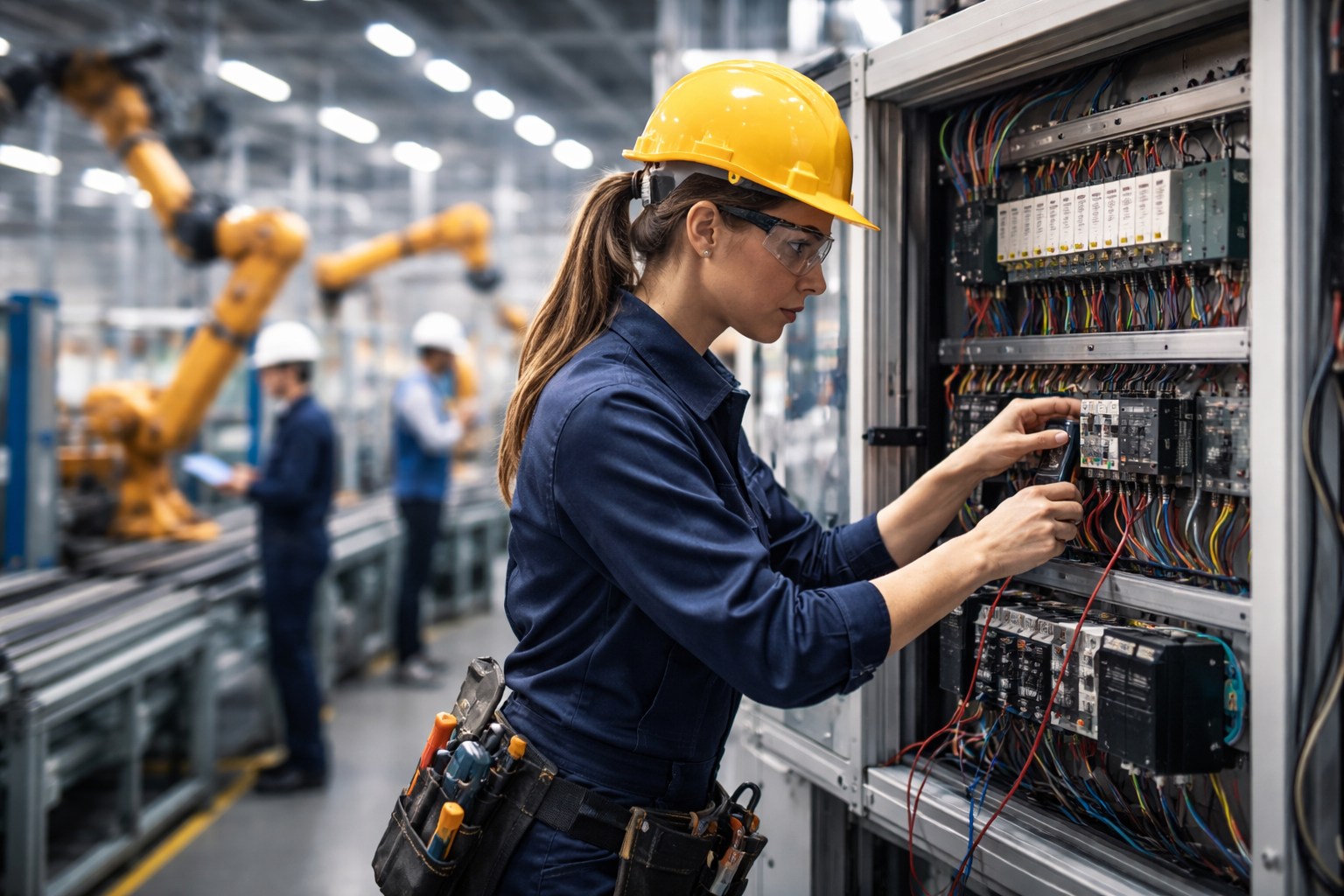
As well as keeping up with new tools or technology, industry change also includes keeping up with the news and updates to systems and processes. Continuous learning keeps your skills relevant and helps you adapt as standards evolve.
Investing in courses on renewable systems, building regulations and smart tech can set you apart from competitors. Organisations such as the Chartered Institute of Plumbing and Heating Engineering and the Building Engineering Services Association offer training and guidance to support your development.
Staying informed means you’re more likely to have lasting success in a rapidly changing industry.