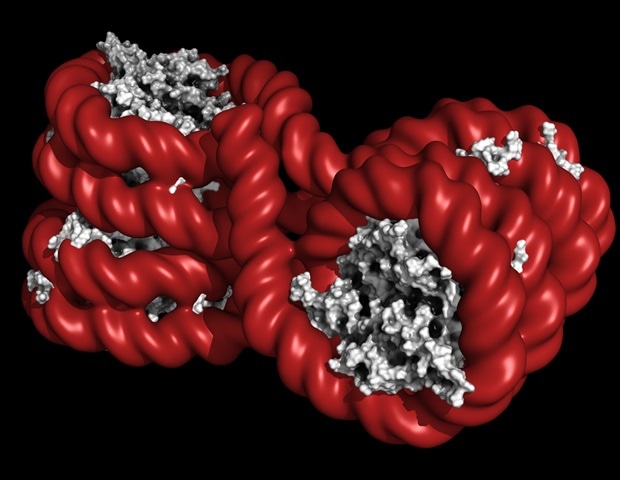
All cells in an organism possess identical genetic sequences, yet the expression of genes varies due to epigenetic modifications. These chemical tags, such as DNA methylation, influence gene expression, playing a critical role in development. Misregulation of these processes can lead to significant developmental issues in both flora and fauna. The question arises: what governs these epigenetic changes?
Researchers at the Salk Institute have uncovered that genetic mechanisms can regulate DNA methylation, a form of epigenetic tagging. This discovery highlights a new method of targeting plant DNA methylation, using specific DNA sequences to guide the methylation apparatus. Previously, DNA methylation was thought to be regulated solely by other epigenetic factors, making this a significant paradigm shift.
The implications of this research are vast, potentially informing future strategies in epigenetic engineering to create methylation patterns that could improve or restore cell function. Such advances hold promise for applications in both medicine and agriculture.
“In plants and animals, incorrect DNA methylation patterns can lead to developmental defects and, in mammals, numerous diseases, including cancer,” explains Dr. Julie Law, senior author and biochemist at Salk. “Understanding how DNA methylation targets specific locations in tissues and stages is crucial. Our findings answer how new methylation patterns arise in plant development, the first step in engineering DNA methylation for better cellular outcomes.”
Published in Nature Cell Biology on November 21, 2025, the study was supported by the National Institutes of Health and private philanthropy.
Epigenetics involves modifications on the DNA’s structural organisation, influencing gene expression without altering the genetic code. DNA methylation, a notable tag, involves adding a methyl group to DNA, effectively silencing certain genes. This silencing is crucial for gene regulation and genome stability by preventing transposon activity, which can destabilise the genome.
Dr. Law elaborates, “We’ve made progress in understanding how epigenetic tags are maintained, but cellular diversity stems from new patterns. Our research bridges the gap between recognising epigenetic diversity and understanding its generation.”
The model plant Arabidopsis thaliana, known for its resilience to experimental epigenetic disruptions, was used to explore fundamental epigenetic questions. In Arabidopsis, DNA methylation is regulated by the CLASSY protein family, which directs methylation machinery to specific genomic sites. However, the precise mechanism was previously unclear.
Through genetic screening, Salk researchers identified a novel DNA methylation targeting mode relying on DNA sequences instead of epigenetic features. They discovered proteins, termed RIMs, that work with CLASSY3 to establish methylation at specific sites. These RIMs, part of the REM transcription factors, link CLASSY3 targeting to DNA sequences. Disruption of these sequences halts the methylation process.
The study reveals essential DNA stretches where RIMs dock, guiding methylation machinery to nearby sequences. Unique methylation patterns in reproductive tissues arise from different RIM combinations. This is the first identification of genetic sequences driving DNA methylation in plants, suggesting further REM genes may be involved in broader epigenetic regulation.
Another study from UC Los Angeles, led by Dr. Steven Jacobsen, corroborates these findings, using reverse genetics to identify REM genes involved in DNA methylation regulation, supporting genetic information’s role in epigenetic processes.
“This represents a paradigm shift in understanding plant methylation regulation,” states Dr. Law. “Previously, pre-existing epigenetic modifications were seen as methylation’s starting point. Now, we know DNA itself can initiate new methylation patterns.”
With this evidence, researchers face new questions about the prevalence of this targeting mode in plant development and its potential for engineering DNA methylation patterns. Using DNA sequences to target methylation could significantly impact agriculture and human health by precisely correcting epigenetic defects.
Contributors to the study include Yuhan Chen, Laura M. Martins, En Li, Fuxi Wang, Tulio Magana, and Junlin Ruan from Salk. The research received support from the National Institutes of Health, the Salk’s Paul F. Glenn Center for Biology of Aging Research, and other foundations.