
Opinion
-

Durability defines conduit performance in industrial installations. Metallic conduits remain trusted for strength and temperature tolerance, yet polyamide systems are challenging that dominance. Offering impact resistance, corrosion stability, and faster assembly, polyamide cable protection has become a serious alternative in sectors demanding long-term reliability under mechanical stress and environmental exposure.
-
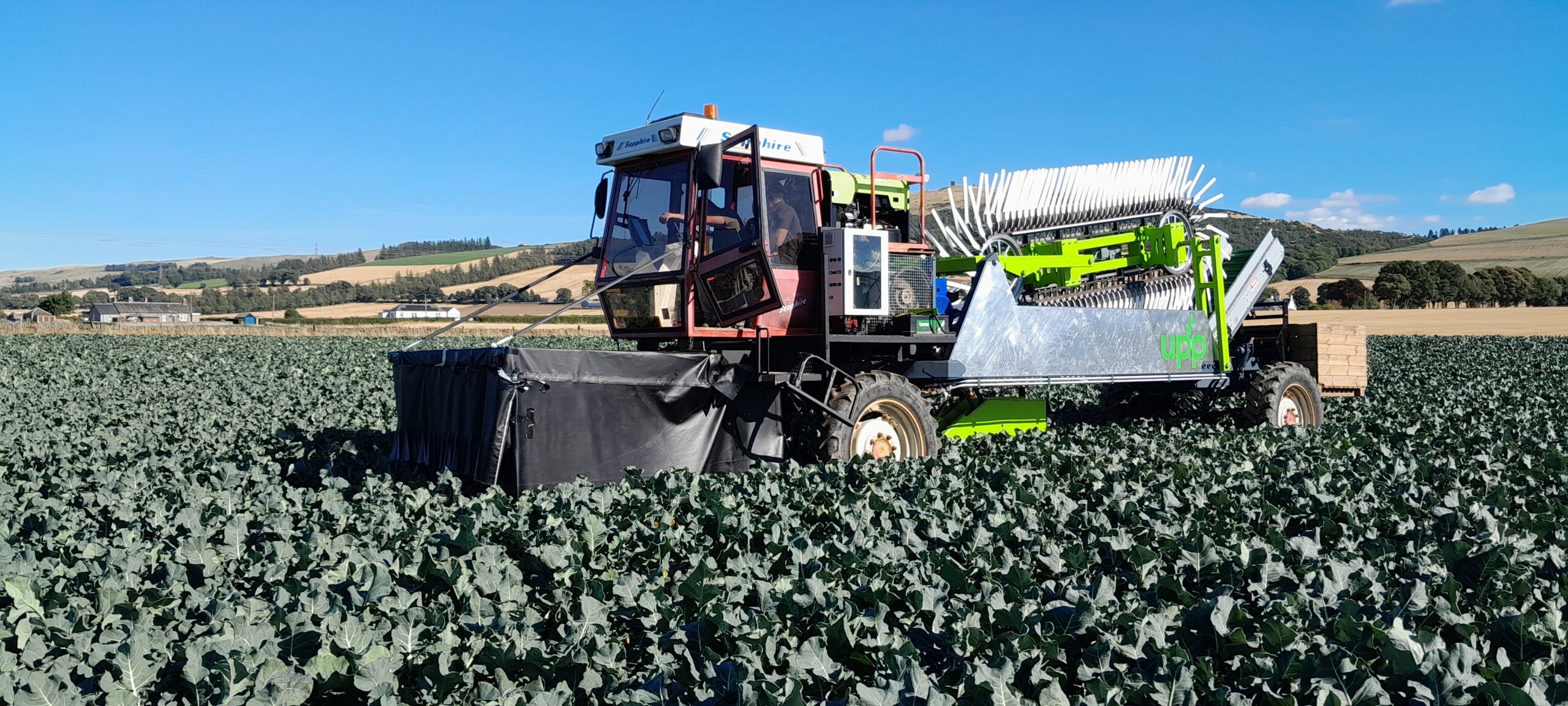
UK Agri-Tech Centre backs World Food Day 2025 with innovation. Showcasing four Innovate UK-funded projects, the Centre highlights technology that reduces waste, improves yields, and strengthens global food security — from drone-led pollination and digital-twin crop imaging to precision pest control and full-plant broccoli harvesting for lower-carbon protein production.
-

Medium-voltage switchgear is undergoing a major transformation. Once viewed as static mechanical assets, switchgear is now being reshaped by automation demands and tightening sustainability regulation. ABB’s recent survey highlights a market under pressure: decision-makers want digitalization and SF6-free technologies, yet adoption lags behind regulatory momentum.
-
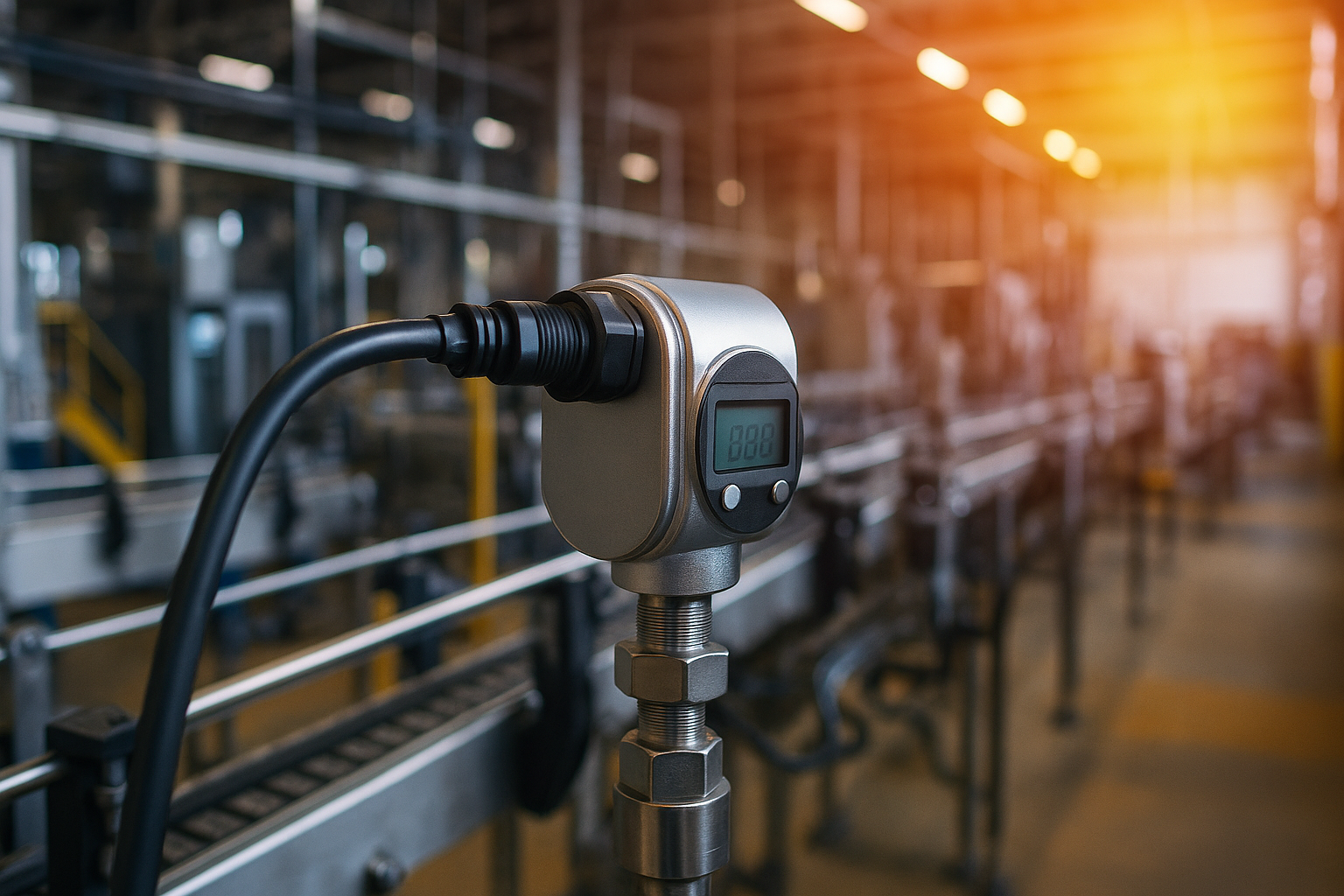
Digital pressure transmitters are reshaping how industries manage measurement. These devices reduce wiring complexity, enable remote monitoring, and adapt to diverse applications across manufacturing, energy, and heavy machinery. With protocols like CANopen and IO-Link, they bring reliability and flexibility to systems where precision and safety are paramount.
-
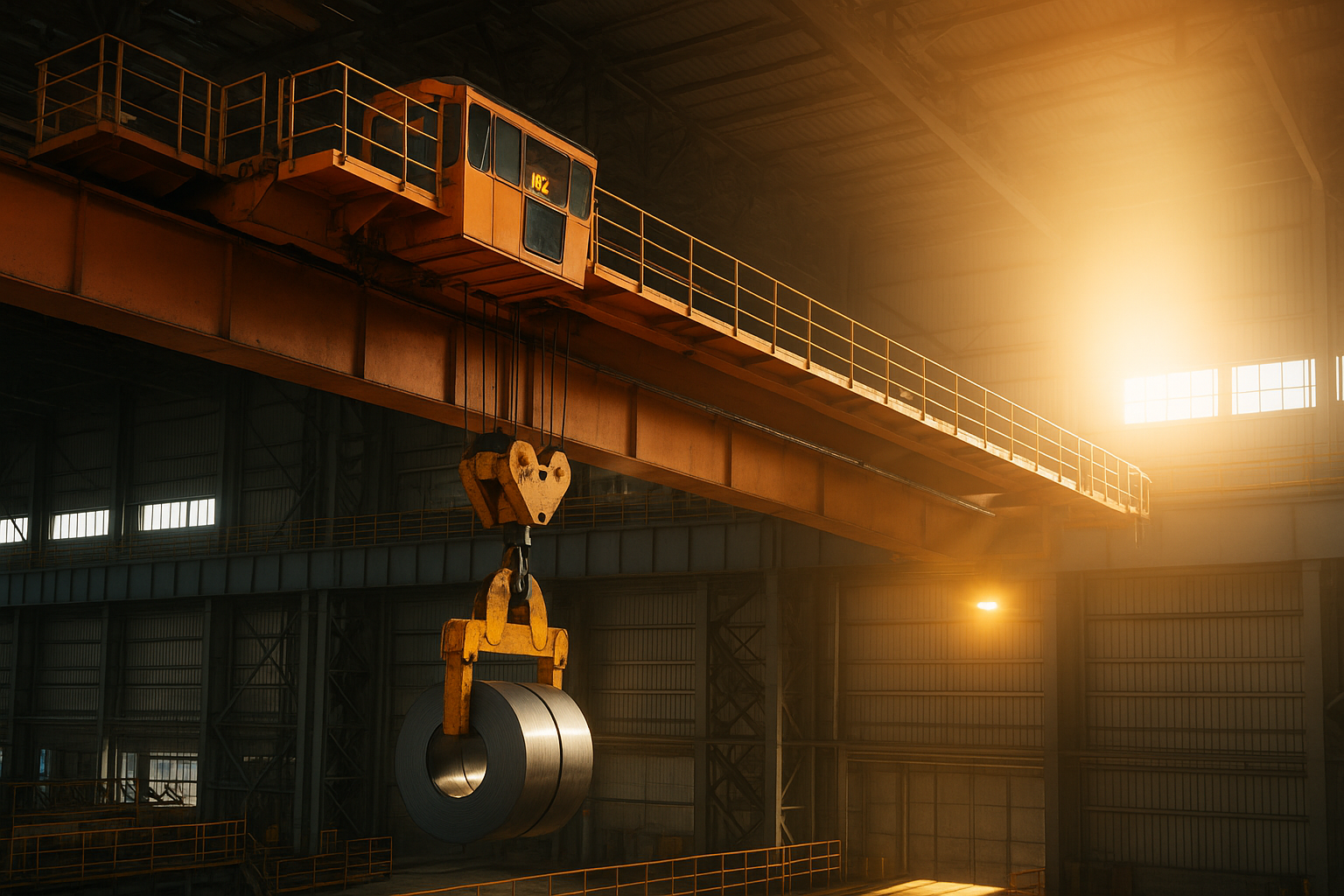
The industrial equipment market is accelerating through a wave of automation, safety innovation, and sustainable design. From cranes with IIoT-enabled monitoring to energy-efficient lifting systems, manufacturers are re-engineering heavy equipment to meet stricter standards while supporting larger, more complex projects across construction and manufacturing.
-

Stuart Thompson of ABB Electrification Service warns against replacement culture. Intelligent asset optimisation is proving far more effective than wholesale replacement — cutting emissions by half, slashing maintenance costs, and extending asset lifespans by decades.
-
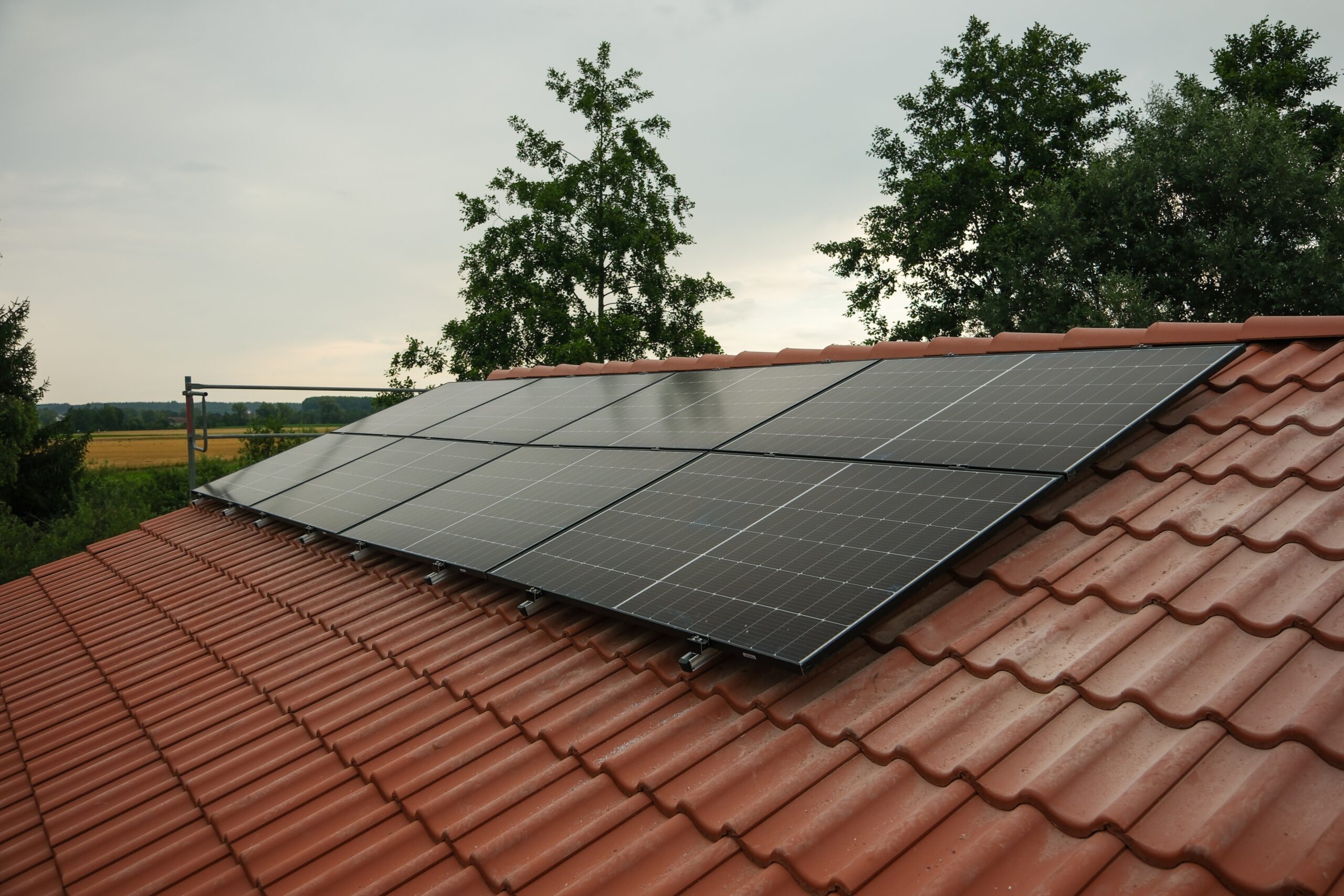
The industrial sector is undergoing a rapid transformation. Driven by the rise of automation, AI, and sustainability mandates, tenants are no longer just looking for four walls and a roof, they want smart, green, and efficient spaces that support innovation and growth. For landlords, this shift presents a major opportunity. By upgrading industrial properties to…
-
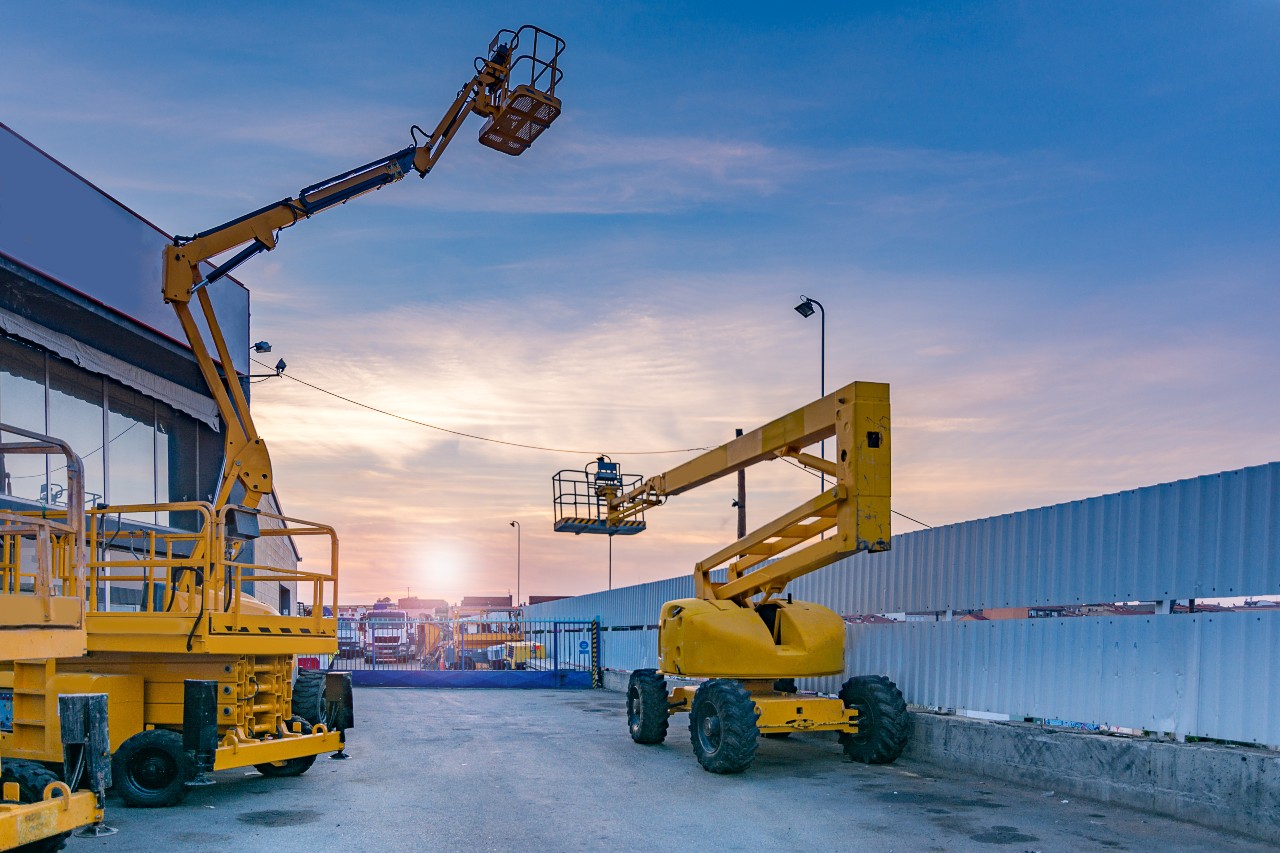
In the construction industry, safety is more than just a priority, it’s a necessity. One of the most common causes of accidents on construction sites is working at height. With the growing use of powered access equipment such as scissor lifts, cherry pickers, and boom lifts, proper training has become essential. This is where IPAF…
-
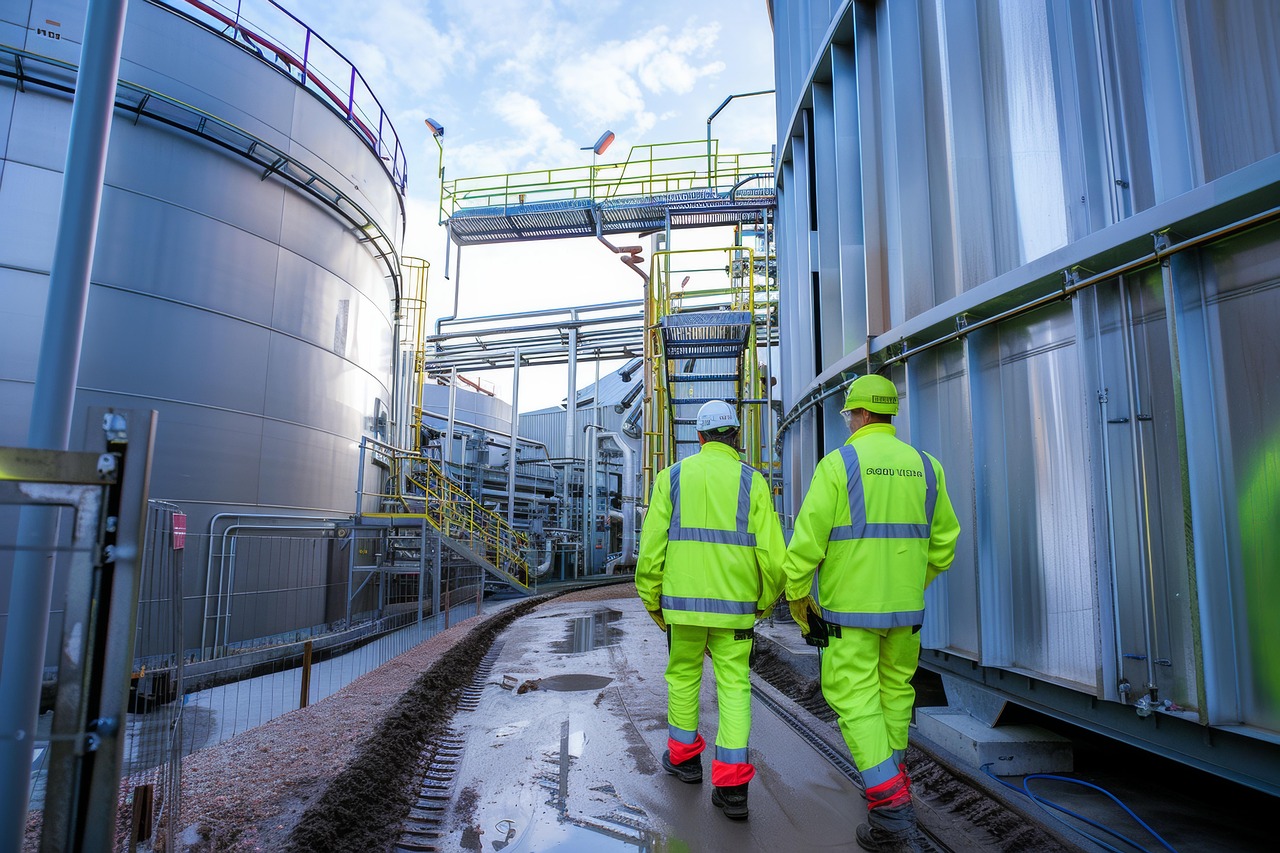
Working has become much safer over the last few decades. This trend has been driven, in part, by cultural change, new procedures, and technology. But there are some environments where caution is still warranted – after all, it’s only by sustaining our vigilance that we can avoid falling victim to an accident. In a factory…
-

Senior staff shape critical decisions. When someone in a key leadership or technical role takes extended leave, industrial businesses often struggle to maintain continuity. These roles are seldom easy to fill at short notice. Slow access to treatment through standard healthcare pathways can stretch absences from weeks into months. Post-pandemic pressures and the NHS backlog…

© 2b Publishing 2026.