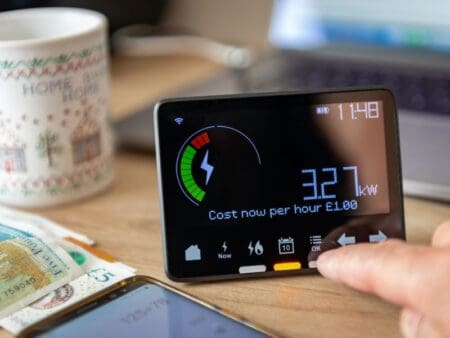

Image courtesy Tomato Energy
Ofgem is proposing to introduce new supplier performance rules on long wait times for the installation or repair of smart meters in Britain.
Under the proposed new rules, consumers will receive compensation in four cases – where the consumer has to wait more than six weeks for a smart meter installation appointment, for a failed smart meter installation due to a fault within the supplier’s control, if the consumer reports a problem with their smart meter requiring suppliers to provide a resolution plan within five working days of the report, and for smart meters not operating in smart mode if not fixed within 90 days.
Alongside these enhanced protections for households, microbusinesses will also benefit from greater smart meter rights and compensation when things go wrong under the new rules, according to Ofgem, which reports this as part of its wider work to improve the smart meter experience by toughening up requirements and taking action against suppliers that don’t comply with its rules.
Over the past year, Ofgem’s compliance engagement has seen more than 600,000 previously non-operating smart meters repaired or replaced.
Have you read?
UK issues energy flexibility challenge to curb demand on power grid
Energy Transitions podcast: Unlocking the flexibility potential of Europe’s EVs
Charlotte Friel, Director of Retail Pricing and Systems at Ofgem, said the regulator knows many customers who want a smart meter wait too long to get one installed or face delays on repairs when it stops working and that this needs to change.
“This is only the beginning – with automatic compensation, faster fixes and improved installation standards well on the way, getting a smart meter will be quicker and easier than ever.
“These new rules are about setting clear expectations of suppliers, incentivising them to boost smart meter standards, and protecting consumers from poor service if things go wrong.”
These proposals follow Ofgem’s announcement in March to review its guaranteed standards of performance, which were introduced to ensure that energy suppliers offer an appropriate level of service and compensation payments to customers when standards are not met.
Currently, suppliers are required to make an automatic payment of £40 ($46) to consumers if they fail to meet the minimum standards outlined in the guaranteed standards. This includes making and keeping appointments, investigating and fixing/replacing credit or prepayment meter faults and switching supplier within five working days.
Yselkla Farmer, CEO of BEAMA, said that the announcement is a positive step in the right direction.
“Increasing the roll out and operability of smart meters across homes and businesses is critical to a low carbon, low cost energy system, and for too long, issues with the smart meter programme have undermined their potential.”
Nigel Timperley, Research Manager at LCP Delta, said that the announcement shifts the focus from rollout to repair, urging suppliers to ensure greater uptake goes hand-in-hand with greater customer satisfaction.
“Digital technologies can offer a bridge between customers and the benefits of the energy transition. It’s positive that both government and Ofgem are thinking seriously about how to overcome the remaining barriers in the long road to comprehensive smart meter adoption.”
According to the latest government data, two-thirds of homes in Britain have a smart or advanced meter, and more than 90% are working correctly.
The proposals are now open for a statutory consultation. The aim is to have the new proposed smart meter standards in place from early 2026.