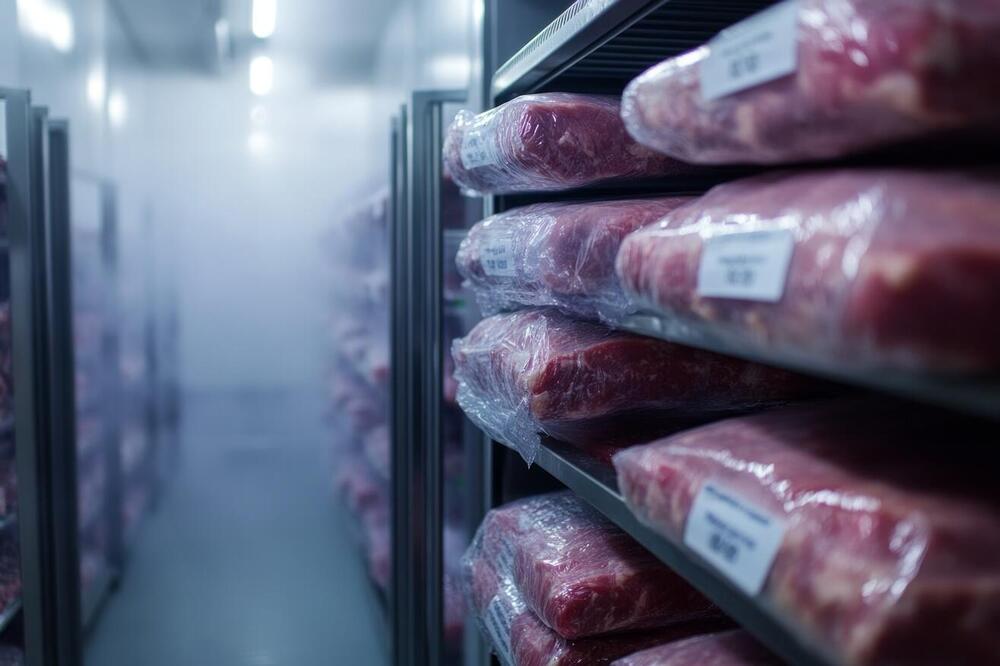

A new worldwide food industry project to standardise the tracking and recording of temperature data throughout the supply chain is being supported by the British Frozen Food Federation (BFFF).
The industry will gain a better understanding of the actual temperature journey of frozen foods according to the new protocol that BFFF helped establish as a member of the International Frozen Food Network (IFFN). The move is seen as a critical step in lowering emissions, increasing energy efficiency, and upholding the high standards of food quality.
This protocol provides a unified, data-driven approach to tracking temperature fluctuations from production to distribution. It is designed to help frozen food manufacturers, cold chain logistics providers and retail/foodservice distributors improve operational efficiency, enhance food quality and safety, and reduce energy use and greenhouse gas emissions.
Dr Sanjay Gummalla, AFFI’s senior vice president of food safety and scientific affairs, noted that the protocol represents a major advancement for frozen food manufacturers and broader cold chain partners as we drive continued improvements in quality and sustainability.
“By establishing a common framework for monitoring temperature fluctuations, we’re not only improving consistency across the cold chain – we’re also laying the groundwork for a more sustainable future,” he said
Shane Brennan, senior vice president of strategy, partnerships and policy at the GCCA said there are major opportunities for businesses across the cold chain to identify and eliminate inefficiencies in how they use energy to keep food frozen.
“To seize this opportunity, it’s critical to build a shared understanding of how to monitor and log temperatures across every link in the chain,” Brennan added. “This protocol is a big step forward and lays the foundation for greater collaboration to drive efficiency, sustainability and high-quality food preservation.”
View additional background information in an industry memo: available here.
Download the protocol: available at https://affi.org/sustainability/cold-chain-temperature-monitoring-protocol.