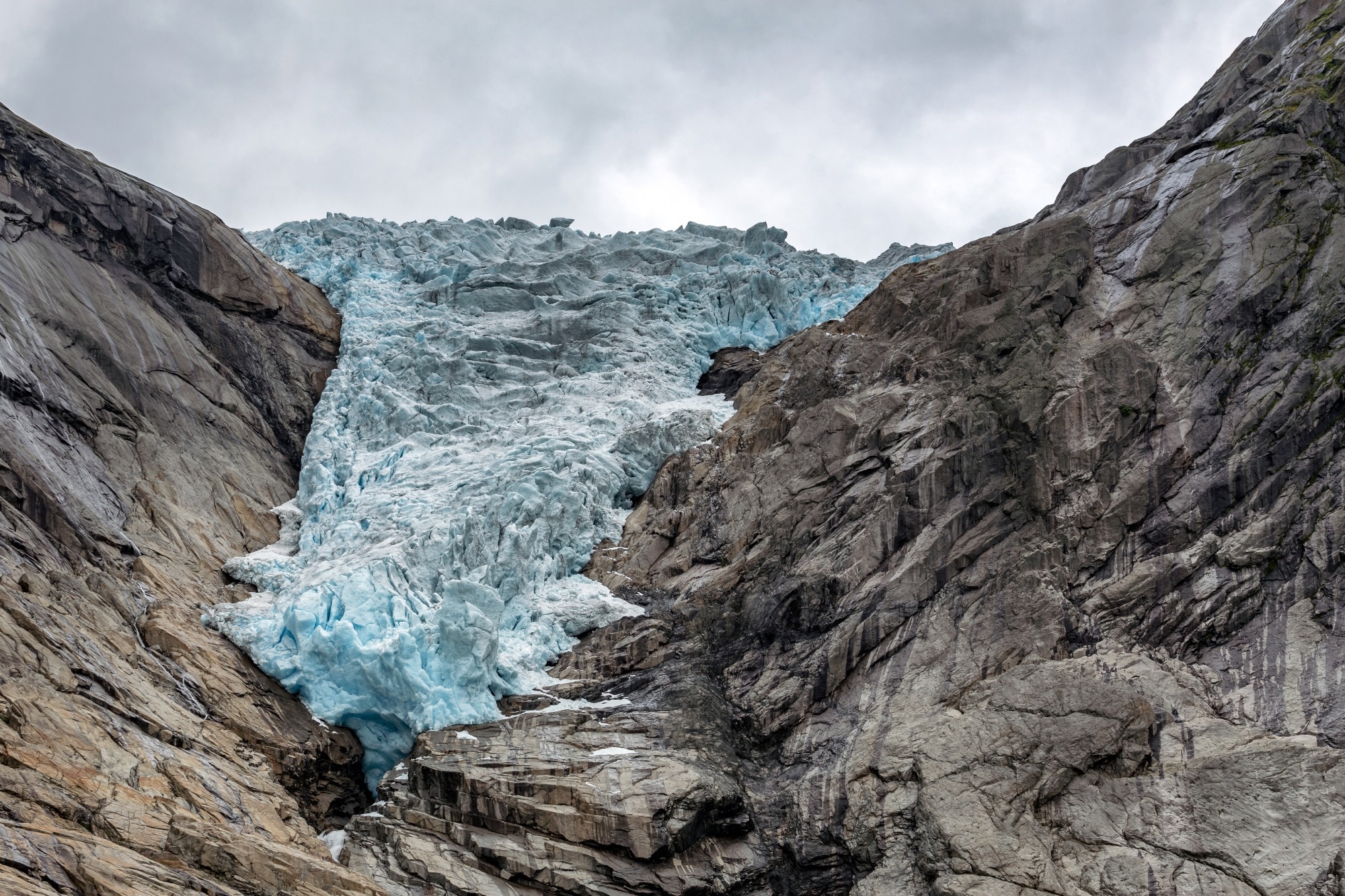
As global warming accelerates the melting of glaciers, researchers are sounding alarms about the potential spread of antibiotic resistance. A recent study published in the journal Biocontaminant synthesised data from over 1,000 studies, revealing that glaciers act as reservoirs for both ancient resistance traits and modern pollution. The study introduces a “glacier continuum” framework to track the spread of antibiotic resistance genes (ARGs) from high-altitude glaciers to populated valleys.
The implications for global freshwater ecosystems are significant, as the research underscores the need for integrated monitoring systems. These systems could detect and anticipate the increasing presence of ARGs, rather than demonstrating widespread ecological or health impacts at present.
Antibiotic resistance is increasingly recognised as a critical public health crisis. Traditionally linked to hospitals, livestock farming, and wastewater treatment plants, recent research suggests that the scope of antibiotic resistance is expanding into unexpected regions. ARGs are now classified as biocontaminants due to their persistence in the environment and impact on human health.
While human activities have long been associated with the rise of antibiotic resistance, the role of glaciers in environmental distribution remains understudied. New investigations reveal that glaciers preserve microbial communities, destabilised by rapid melting due to global warming. This raises concerns about the re-emergence of ancient microbes and the mobilisation of modern resistance genes transported via atmospheric pollution, with uncertain implications for downstream exposure.
The systematic review employed a bibliometric and meta-analytical approach, examining records from 1980 to 2025. The review included 1,248 distinct records after screening, categorising findings based on geographic location, bacterial detection methods, and genetic mechanisms. Traditional culture-dependent methods were compared with advanced molecular approaches such as metagenomics, offering a comprehensive view of the resistome without culturing bacteria.
The review highlights an exponential increase in scientific attention to ARG contamination in glacial environments. Research output has surged in recent years, revealing stark regional contrasts. The Arctic shows higher ARG levels due to industrial development, while Antarctica remains relatively pristine. However, ancient ice cores reveal naturally occurring resistance genes, and modern human activity has introduced resistance to synthetic antibiotics.
This systematic review establishes glaciers as environmental reservoirs and potential transport pathways for ARGs. It underscores the possible release and accumulation of resistance genes into downstream lakes and rivers as an emerging biosecurity concern. The authors propose a standardised monitoring framework using metagenomics to track pathogenic bacteria and resistance genes across the glacier continuum. Integrating environmental data into early-warning systems could enable earlier detection and risk assessment, supporting preventive strategies before ecological contamination impacts human health.