A comprehensive review of human studies has highlighted kefir’s potential to alter specific gut and oral bacteria. Published in Nutrients, the findings suggest kefir may influence microbiota balance, potentially supporting digestive, immune, and metabolic health. However, inconsistent results and small trials mean its true health impact remains an open scientific question.
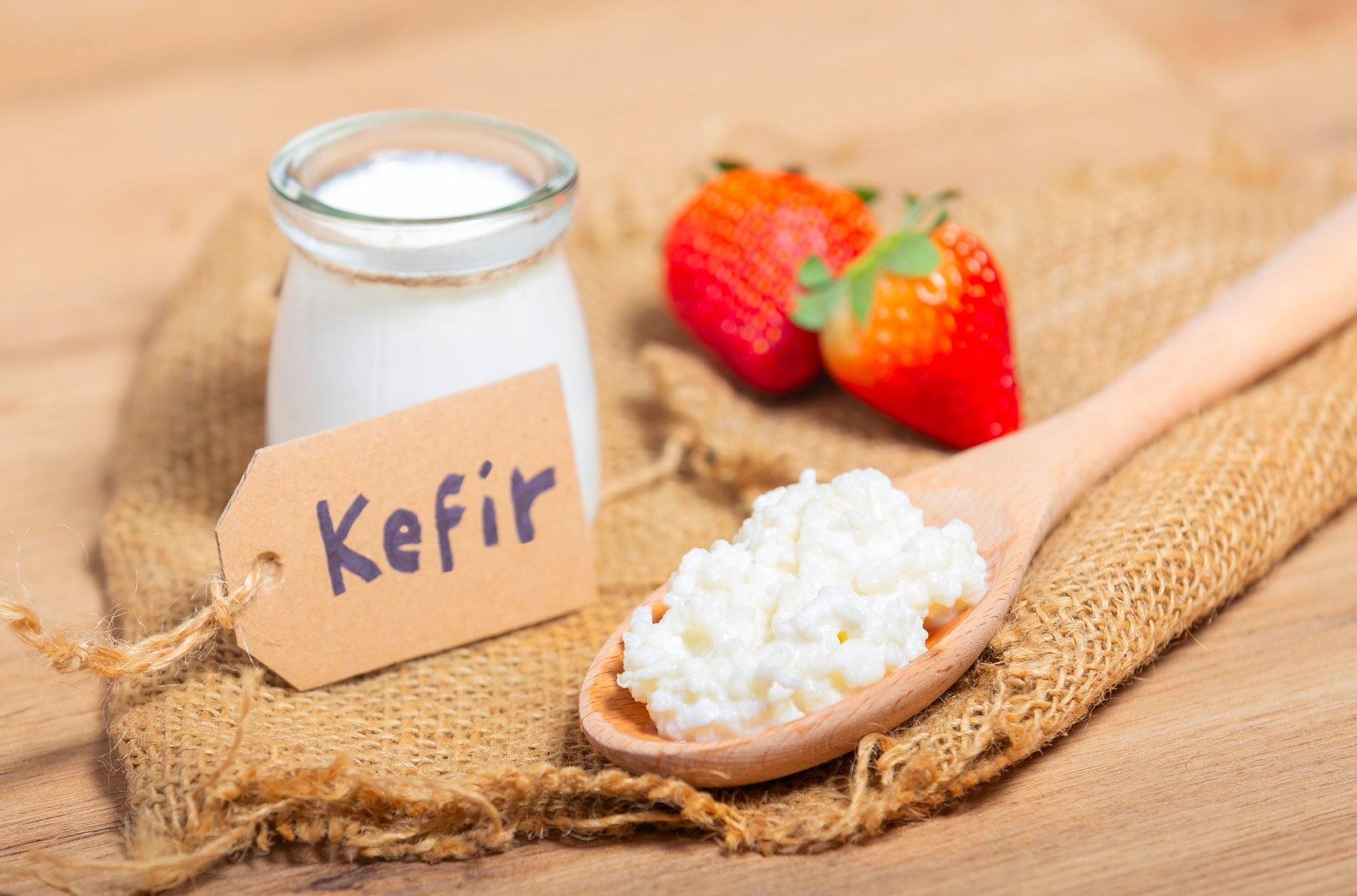
Kefir, a probiotic milk drink originating from the Caucasus Mountains over 3,000 years ago, is made using kefir grains — symbiotic clusters of lactic acid bacteria (LAB), acetic acid bacteria (AAB), and yeast. These grains ferment milk, resulting in a thickened, slightly sour beverage. While typically made from cow’s milk, kefir can also be prepared using goat, sheep, or soymilk. Commercially, kefir production involves inoculating milk with grains in a 1:30 to 1:50 ratio, fermenting for up to 24 hours, then filtering out the grains for consumption or storage.
The health benefits of kefir are closely linked to its fermentation substrate. Variability in kefir’s composition — influenced by starter-grain microbiota, fermentation time, and temperature — complicates research, as different preparations can yield distinct microbial species and bioactive metabolite profiles. Consequently, evidence regarding kefir’s effects on the gut and oral microbiome varies significantly.
LAB, such as Lentilactobacillus kefiri, Leuconostoc mesenteroides, and Lactococcus lactis, metabolise lactose to produce lactic acid, alongside bacteriocins and other compounds with potential antimicrobial properties. L. kefiri and L. mesenteroides can survive gut passage and adhere to the epithelial lining, exhibiting antibacterial and antifungal activities. L. kefiri’s ability to bind toxic metals and mycotoxins suggests potential applications in emergency toxicology. L. mesenteroides produces linoleic acid with antiatherogenic, anti-inflammatory, and anticarcinogenic effects, while L. lactis serves as a ‘cell factory’ for delivering therapeutics.
AAB, including Acetobacter fabarum and Gluconobacter oxydans, produce acetic acid and metabolites that enhance gut motility and colonic blood flow. Yeasts like Saccharomyces cerevisiae contribute to kefir’s flavour and effervescence, with studies indicating antimicrobial and anti-inflammatory properties that may aid conditions such as IBS and Crohn’s disease.
Kefir consumption has shown varied microbiome effects. Some studies noted slight increases in specific bacteria, while others reported significant microbial shifts in individuals with metabolic syndrome or IBD. Kefir also reduced salivary Streptococcus mutans, a key dental caries contributor. However, the limited use of DNA sequencing in studies restricts understanding of kefir’s comprehensive impact on oral microbial diversity.
Despite kefir’s potential, variation in sources, study designs, and lack of product standardization hinder definitive conclusions about its effects and long-term benefits. Larger, well-controlled studies are necessary to clarify kefir’s true impact on the microbiome and related health outcomes.