The industrial sector is undergoing a rapid transformation. Driven by the rise of automation, AI, and sustainability mandates, tenants are no longer just looking for four walls and a roof, they want smart, green, and efficient spaces that support innovation and growth.
For landlords, this shift presents a major opportunity. By upgrading industrial properties to be both sustainable and tech-savvy, you not only future-proof your investments but also command higher rents, lower vacancy rates, and attract more resilient, long-term tenants. Protect your investment with landlord insurance from CIA Landlords. They compare quotes with nine leading insurers to ensure you get the best price possible.
1. Upgrade to Smart Infrastructure
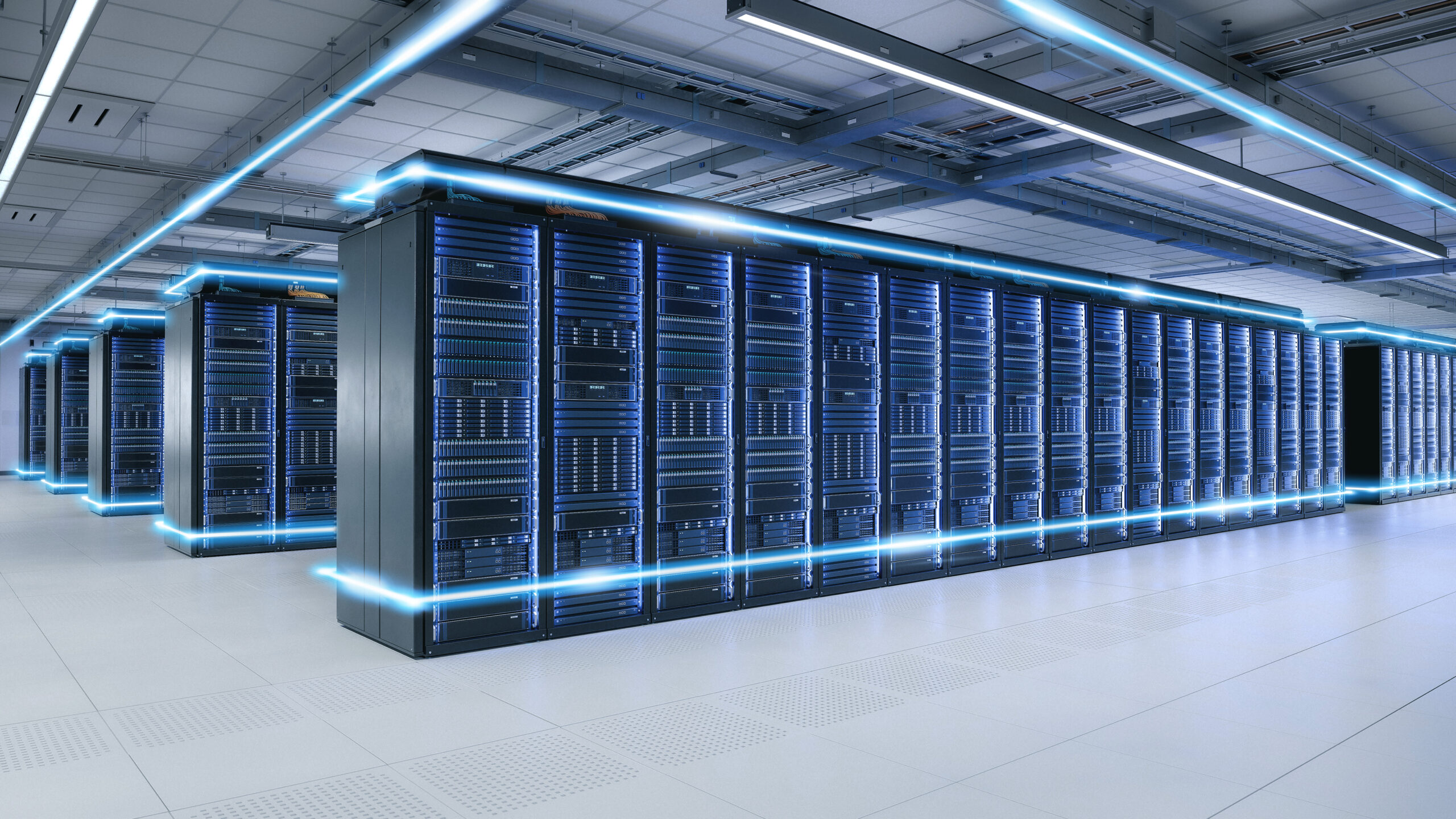
Modern tenants want digital-ready environments, from robotics startups to advanced logistics firms, the demand for reliable, scalable digital infrastructure is non-negotiable.
Actionable Upgrades:
- High-speed fibre connectivity: Make your building compatible with IoT systems and real-time cloud applications.
- Smart sensors: Install for lighting, temperature, air quality, and occupancy tracking to boost efficiency.
- Remote monitoring systems: Allow tenants to oversee operations from anywhere, essential for distributed workforces.
Properties with built-in smart tech attract tech-forward companies that rely on automation, AI, and real-time data, giving you a competitive edge in the industrial rental market.
2. Embrace Energy Efficiency
Sustainability isn’t just good for the planet, it’s becoming a bottom-line business necessity. Industrial tenants are under pressure to meet ESG goals, and your property can help them do it.
Key Improvements:
- LED lighting and motion sensors: Drastically reduce energy usage.
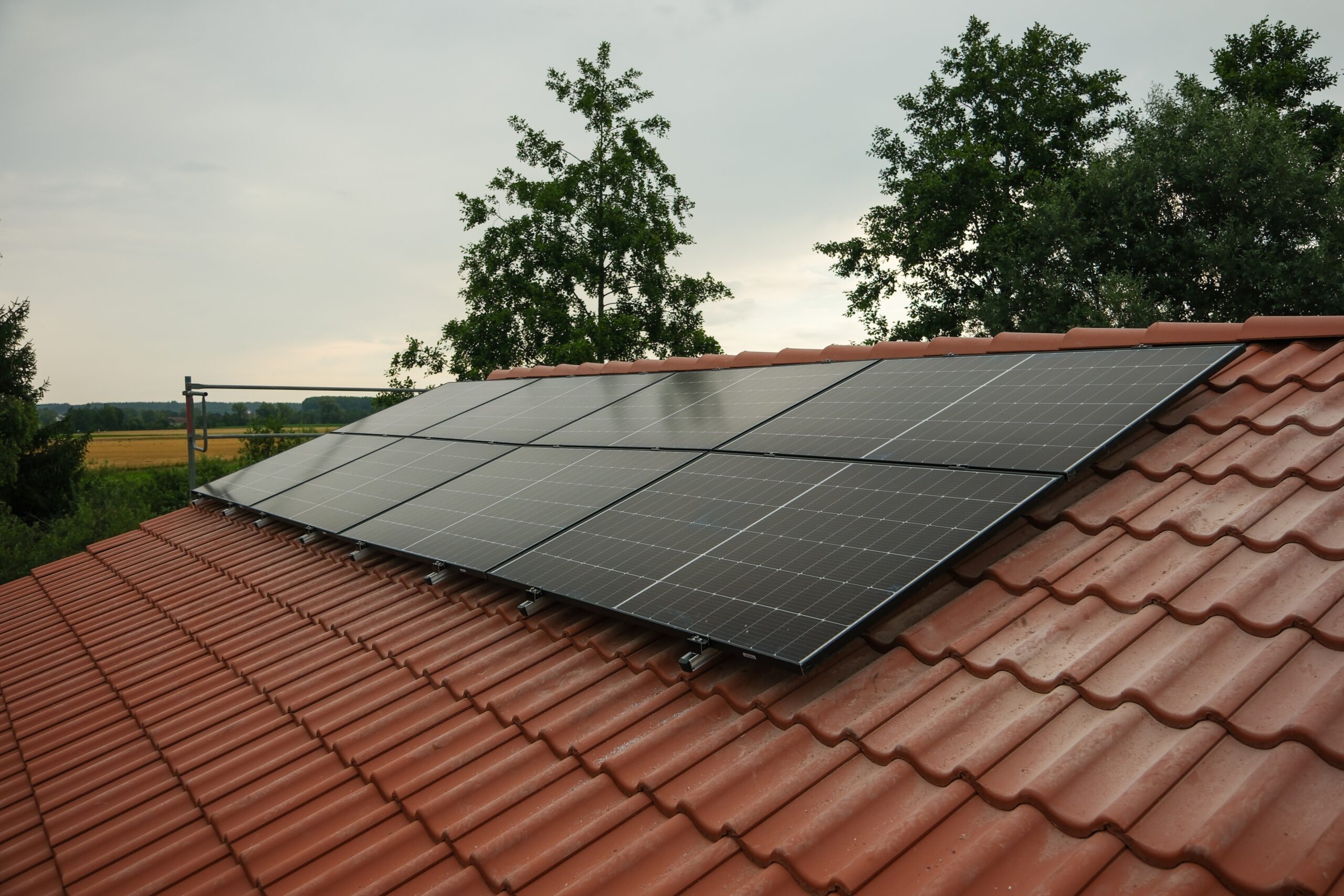
- Solar panels: Generate clean energy on-site, lowering utility bills and increasing self-sufficiency.
- Upgraded insulation and HVAC: Improve energy efficiency while keeping operational costs down.
- EV charging points: Support fleet electrification and eco-conscious staff commuting.
Consider conducting an energy audit to identify your building’s biggest inefficiencies before investing.
3. Offer Flexibility in Layout and Function
As businesses adopt agile models, they need spaces that adapt. Whether it’s a robotics lab today and a logistics hub tomorrow, flexibility is a major selling point.
Smart Design Features:
- Modular interiors: Easily reconfigured to suit different tenant needs.
- Raised flooring systems: Allow easy cable management and IT setup.
- Zoned lighting and climate control: Enable tenants to tailor usage to their space.
Flexible buildings reduce downtime between tenants and extend the lifespan of your property’s design.
4. Build Green from the Ground Up (or Retrofit)
If you’re developing new industrial sites or retrofitting existing ones, green building certifications (like BREEAM or LEED) send a powerful signal to tenants.
Sustainability Enhancements:
- Sustainable materials: Use recycled, low-VOC, or renewable construction inputs.
- Water conservation systems: Install low-flow fixtures and rainwater harvesting.
- Green roofing or walls: Improve insulation and reduce environmental footprint.
Properties with strong ESG credentials are becoming more attractive to corporate tenants, particularly those seeking to report on sustainability metrics.
5. Integrate Automation-Friendly Features
Today’s tenants might bring in robotics, smart conveyors, or automated storage systems. Your building should be ready to support these innovations.
Smart Additions:
- Reinforced flooring: To handle automated guided vehicles (AGVs) or cobots.
- Expanded power capacity: Ensure you can handle growing electricity demand from tech-heavy operations.
- Data ports and edge computing nodes: Help tenants process data closer to the source, reducing latency.
Many SMEs and tech manufacturers are looking for move-in-ready “plug and play” units. Make your property their first choice.
6. Collaborate with Tenants on Upgrades
The smartest landlords aren’t just developers, they’re partners. Collaborate with tenants to co-fund improvements or tech integrations that benefit both parties.
Partnership Ideas:
- Green leases: Encourage tenants to meet sustainability benchmarks.
- Cost-sharing models: Split solar panel or EV infrastructure costs.
- Tenant improvement allowances: Attract high-value businesses by helping them fit out the space to their spec.
These arrangements build long-term relationships and reduce churn.
The industrial sector is evolving, and so are tenant expectations. By investing in smart tech and sustainable upgrades, landlords can increase asset value, attract premium, future-focused tenants, reduce long-term operational costs and meet growing ESG and digital compliance standards. Your property can be more than space, it can be a platform for innovation.