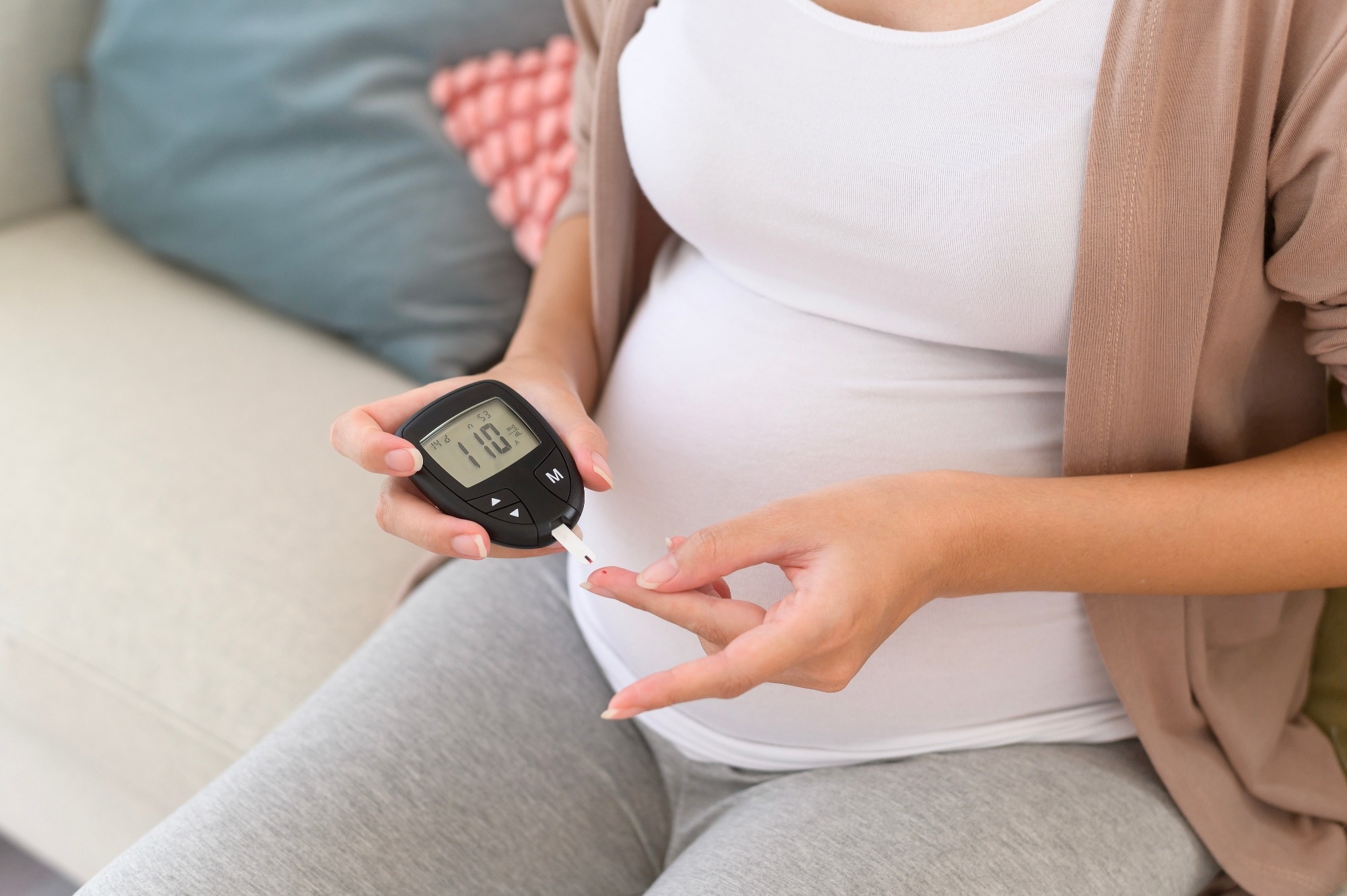
A recent study employing continuous glucose monitors and wearable trackers has uncovered a surprising relationship between daytime physical activity and nighttime glucose levels in pregnant women. Published in Frontiers in Endocrinology, the research suggests that increased daily movement could result in elevated blood sugar levels overnight, challenging traditional assumptions about exercise and glucose control.
The study focused on women with pregnancy hyperglycemia — a condition encompassing gestational diabetes mellitus (GDM) and gestational glucose intolerance (GGI). These conditions are known to increase the risk of delivering large-for-gestational-age babies and developing type 2 diabetes later in life. Effective management of blood glucose levels is crucial in mitigating these risks. The study explored how nighttime glucose levels, measured from midnight to 6 AM, are affected by the level of daytime physical activity or sedentary behaviour.
Traditionally, glucose control efforts have focused on managing daytime levels due to the challenges in measuring nighttime glucose. However, continuous glucose monitoring (CGM) technology now allows for 24-hour tracking of blood glucose variations. The integration of wearable sensors that monitor movement patterns with CGM provides a robust method to assess the interplay between behavioural patterns and glucose regulation.
The study involved 13 pregnant women who were monitored using the Dexcom G6 CGM and the ActiGraph Insight Watch. These devices recorded interstitial glucose levels and activity patterns, respectively. The researchers analysed the data to identify any associations between physical activity and glucose levels.
Results indicated that increased moderate-to-vigorous physical activity (MVPA) was associated with a rise in mean nighttime glucose concentration by 0.86 mg/dL for every additional ten minutes of MVPA. This finding contradicts existing evidence from daytime readings, where increased physical activity typically lowers blood glucose levels. The study did not find similar trends with light physical activity or sedentary behaviour.
One hypothesis for this unexpected result is that individuals who engage in more vigorous daytime activity may consume more carbohydrates subsequently, though this could not be confirmed due to a lack of dietary data. Another possibility is that increased physical activity might disturb sleep, negatively impacting glucose regulation. These findings highlight the need for further research to validate and understand the implications of increased nighttime glucose levels, which are linked to higher risks of delivering large-for-gestational-age babies and future diabetes.
The study is pioneering in its approach, combining CGM and activity sensors to provide a nuanced understanding of the relationship between daytime behaviour and nighttime glucose levels. This research underscores the potential of advanced monitoring technologies to enhance scientific and clinical insights, paving the way for personalised glucose management strategies during pregnancy.
Future studies should expand to larger sample sizes and incorporate continuous dietary and sleep assessments alongside CGM and behavioural monitoring. These efforts could illuminate the complex interrelations of sleep, diet, biological rhythms, and glucose regulation in pregnancy, potentially leading to improved health outcomes for both mothers and their babies.