Posiva has been granted an operating licence by the Finnish Government for its spent nuclear fuel encapsulation plant and permanent repository at Olkiluoto. Announced on 22 October, the decision is the first operating licence granted for a final disposal facility of this type. The authorisation runs until the end of 2070, but the company cannot begin actual disposal until Finland’s Radiation and Nuclear Safety Authority (STUK) completes its statutory pre-operation inspection.
Under the licence, Posiva can manage up to 6,500 tonnes of uranium contained in spent fuel from the Olkiluoto and Loviisa nuclear power plants. The company estimates that the repository design could accommodate approximately 3,300 disposal canisters, although the final number will depend on the fuel generated and how assemblies are loaded. Posiva expects an initial disposal rate of roughly 30 to 40 canisters annually, potentially rising to about 60 as operations mature. These are future operating estimates, not volumes already placed underground.
The government decision follows a favourable safety statement issued on 4 August by the Finnish Radiation and Nuclear Safety Authority, STUK. The regulator concluded that the installation met the relevant safety requirements under Finland’s Nuclear Energy Act and decree, having assessed risks to workers, the public and the environment. Its examination provided the basis for issuing the licence but did not complete the final commissioning process.
The next statutory step is STUK’s inspection under section 20 of the Nuclear Energy Act, during which the authority must establish that the conditions for safe operation have been fulfilled. Posiva has not confirmed a disposal start date. Its stated aim is to prepare for encapsulation by the end of 2026 and then invite regulatory inspection; neither that target nor the licence establishes that disposal of spent fuel has begun.
At the surface plant, used fuel assemblies will be received from interim storage, dried and loaded into an inner cast-iron structure housed within a copper canister. The inner assembly is sealed, and the copper lid is closed by a specialised welding process before the weld is inspected. Those operations combine radiation-protected handling, dimensional control and traceability: the finished package must remain intact while being lifted, transported and deposited below ground.
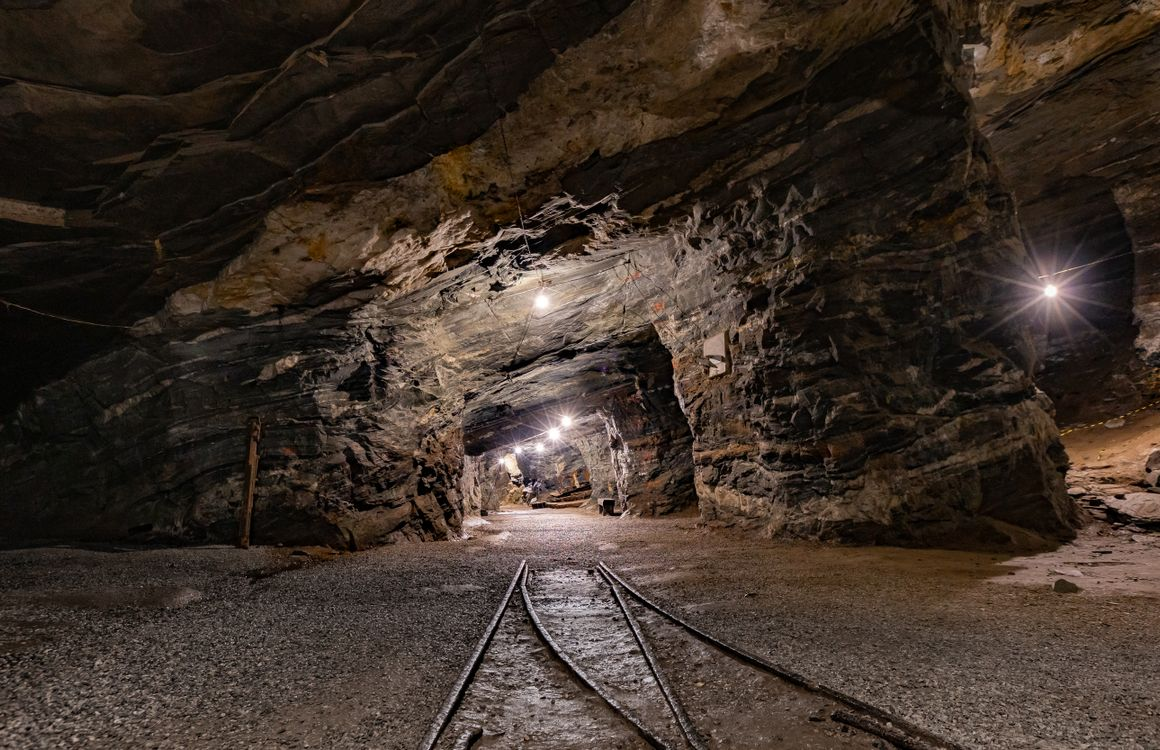
Approximately 430 metres below ground, canisters will be lowered into individual deposition holes bored into the bedrock beside an engineered system of tunnels. Bentonite clay surrounds each canister, swelling in the presence of moisture to form a protective buffer that restricts water movement. The copper shell supplies a corrosion-resistant outer barrier, the insert gives mechanical strength, and the surrounding bedrock provides geological isolation.
This arrangement uses more than one form of containment because any single material or interface must remain effective across extremely long periods. The canister design, bentonite performance, groundwater conditions and properties of the rock all contribute to the safety case. Posiva will backfill completed disposal tunnels and ultimately close the repository, rather than leaving the spent fuel in an installation requiring routine retrieval and inspection indefinitely.
Encapsulation, weld inspection, canister handling and deposition machinery must operate as a controlled sequence, with checks for defects and provision to recover a canister if necessary. Posiva has already carried out test operations with non-radioactive assemblies to exercise the combined system, including remote handling equipment. The upcoming regulatory inspection concerns the readiness to use those systems with actual spent fuel, rather than whether underground tunnels alone have been completed.
Posiva’s estimate of roughly 3,300 canisters describes the eventual design inventory. Disposal is planned to continue over several decades and potentially into the 2120s, while the present operating licence expires at the end of 2070. The dates serve different purposes: one is the scope of the current legal authorisation, and the other reflects the much longer planned disposal programme. Continued operation after the licence expires would require the permissions applicable at that time.
The authorisation also governs other radioactive material associated with the facilities. Posiva may possess, process, store and dispose of specified low-level and intermediate-level waste generated by the encapsulation and repository operations and the nuclear facilities of its shareholders. The total volume must not exceed 3,000 cubic metres, of which no more than 1,500 cubic metres may be designated for final disposal. The limits are conditions of the licence, not a statement that those volumes have already been produced.
Posiva is owned by Teollisuuden Voima and Fortum, whose nuclear facilities produce the fuel intended for disposal. The owners remain responsible for ensuring adequate financial resources, while Posiva manages implementation and the operating safety programme. Within ten years of the licence being granted, Posiva must submit a periodic safety assessment and an updated long-term safety justification to STUK, with further periodic reviews during operation.
The project follows more than four decades of research, site characterisation, construction and assessment. Its engineering extends from the quality of copper canisters and bentonite installation to long-term groundwater and rock behaviour. Finnish authorities have evaluated that system of barriers while retaining separate checks on operating practices, staff readiness and the machinery used to transport and emplace the canisters.
Posiva must now finish the commissioning programme and demonstrate safe readiness to STUK before the first actual spent fuel assemblies can pass through encapsulation and disposal. For a facility designed to isolate material for extremely long periods, the accuracy of weld inspection, buffer placement and records maintained during each operation will be as significant as the government’s new permission to operate.