
Source: iStock
Everyday choices, from when to charge EVs to how to heat homes, will shape a large share of the outcomes of the energy transition and closing this demand side gap is critical to realising Europe’s energy ambitions.
Europe is pushing forward a notable energy transformation, combining renewables and electrification with coordinated European Union and national policies to build a resilient, low-carbon future. Increasingly, progress depends on consumers who are now a central part of the equation. While interest in cleaner energy is high, many households remain hesitant to invest additional time or money, even when they support the broader goals.
At the same time, utilities face their own challenge: integrating diverse devices, applications and DERs into a cohesive, secure and scalable system. Proprietary or siloed networks create interoperability gaps, driving up costs and slowing deployments at a time when speed and flexibility are most crucial.
The energy and utilities industry is steadily moving toward open standards and interoperable platforms that integrate advanced metering infrastructure (AMI), distribution automation and smart city applications. This shift isn’t optional, nor is it simple, and progress varies widely across markets. While some regions are deploying second generation AMI, others are still completing their initial rollouts.
Still, the direction is unmistakable, that as energy supply becomes more variable and demand more flexible, real-time data and two-way control are becoming essential to ensure reliability and resilience.
By adopting standards-based, interoperable communications, utilities can future-proof their investments. A unified network simplifies operations, enhances efficiency and unlocks new value streams from electric vehicle charging and demand response to smart streetlighting and sensor-based applications.
An interoperable communications platform can deliver flexibility, edge intelligence, mission‑critical performance and scalability. It supports multiple network technologies, integrates new devices without rip‑and‑replace, and keeps options open as customer demand shifts.
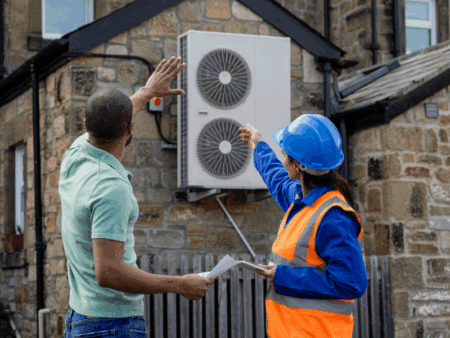
Advanced metering infrastructure is the foundation for a consumer-centric energy future. With access to near-real-time data, households can align energy use with time varying prices, automate electric vehicle charging and heat pump schedules, and reduce bills while supporting the integration of renewable energy. When paired with intuitive digital experiences and default automation, participation becomes effortless.
Targeted, customer-centric design helps close the gap between interest and action, enabling participation at scale. It goes beyond good user experience and becomes a strategic component of the modern grid. As energy systems grow more dynamic, utilities need active consumer engagement.
To support this shift, utilities must build interoperable infrastructure that enables seamless participation. This allows customers to act without friction and ensures the grid can evolve without limits.
You might be interested in:
AI, analytics and the Power of Choice
About Trilliant
Trilliant® provides a secure, device-independent communications platform that empowers utilities and cities to deploy advanced metering, grid modernisation and smart city applications. With proven global deployments, Trilliant enables interoperability, flexibility, and scalability to support diverse technologies and drive the energy transition through real-time data and seamless integration.
For more news and information, visit Trilliant.