The Environment Agency has completed a five-day trial of electric construction machinery on live coastal defence works in Eastbourne, testing whether battery-powered plant can sustain the movements of material required to protect the Sussex shoreline. The operation ran from 12 to 16 October and its results were released on 21 October.
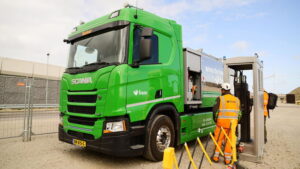
Equipment included a 22-tonne electric excavator, electric tipper trucks, hybrid bulldozers and four-wheel-drive support vehicles. The fleet transferred shingle from White Point in Eastbourne to North-east Beach at Sovereign Harbour, as part of the recurring movement of beach material that helps reduce exposure to flooding and coastal erosion.
The shingle transfer tested the interaction between loading and haulage equipment on loose beach material. Excavator cycle times and truck availability have to align if either machine is to avoid idle periods; haul routes and discharge locations affect the number of vehicles needed to maintain material flow. Charging breaks add another scheduling constraint to an operation that routinely moves protective aggregate in response to changing coastal conditions.
Engineers recorded productivity, reliability, battery performance, energy consumption, charging requirements and operator experience while the machines worked from 12 to 16 October. The Environment Agency says the fleet completed the live works successfully and showed that lower-emission machinery could perform the assigned beach management tasks. It also reports reduced local exhaust emissions and noise compared with conventional diesel plant.
The published account does not provide the tonnes moved per hour, electricity consumed per tonne or charging downtime recorded during the trial. Accordingly, the agency’s finding of operational feasibility cannot yet be translated into a verified productivity percentage or a whole-life cost saving. A repeat comparison would need the same work programme, haul conditions and equipment utilisation for both electric and conventional fleets.
Loose shingle changes the resistance faced by tyres and tracks, while salt spray, moisture and abrasive material place demands on construction machinery, electrical connectors and protective enclosures. An excavator’s hydraulic duty cycle also varies with digging conditions and the frequency of loading. The trial therefore involved more than moving equipment onto a different site: it exposed several types of vehicle to the mechanical and environmental conditions of routine coastal maintenance.
Replacing diesel machines with battery-powered alternatives transfers part of the site’s operating requirement from mobile fuel storage to electrical charging capacity. The available charging supply, length of shifts and energy demand of each machine affect whether recharging can be fitted around breaks or requires vehicles to leave the working cycle. The Environment Agency collected charging and battery data but did not publish the infrastructure rating or energy figures for individual machines.
Electric propulsion removes exhaust emissions from the machine during use and can reduce operating noise near beach access points and residential areas. A full environmental assessment would also consider the source of charging electricity, logistics, production of the vehicles and batteries, and their useful life. Those lifecycle factors were not quantified in the published trial summary.
The Environment Agency and industry partners tested the fleet during scheduled coastal defence work rather than a separate demonstration away from operations. The results can now be compared with the machinery availability, haul distances and charging arrangements required for future programmes, where differences in site access and shift length could alter the economics of electric equipment.
The agency’s Pevensey to Eastbourne Coastal Management Scheme covers about 15km of shoreline in south-east England. It has an indicative cost of approximately £140m over ten years, with a programme of beach modification and flood protection work expected between 2027 and 2037. The scale of this recurring programme provides a potential setting for repeated fleet performance measurements rather than relying on a single trial week.
At present, the Environment Agency manages a 9km section of coast at Pevensey and is due to assume responsibility for the Eastbourne frontage from Eastbourne Borough Council in June 2027. Future work will involve moving and reshaping protective beach material as coastal conditions change. Machinery reliability and the ability to deliver material at the required rate are therefore central to how maintenance operations are planned.
Results from Eastbourne will inform the Environment Agency’s future decisions on beach management, coastal construction and flood and coastal erosion projects. Adoption beyond this trial will depend on how comparable vehicles perform at other sites, particularly where longer operating periods, different haul distances or limited electrical connections reduce the time available for charging.