
Image courtesy 123rf
Germany-based multinational electric utility company E.ON has reported a 13% increase in its Group EBITDA, with its networks segment a key growth driver.
E.ON in its H1 results reported increased Group EBITDA of €5.5 billion ($6.4 billion) in the first half of 2025, up from €4.9 billion ($5.7 billion) the year prior.
According to the company, which is headquartered in Essen, the development was mainly driven by higher investments, which reached €3.2 billion ($3.7 billion) in the first six months, and improved operational performance.
Networks investment
Most of the utility’s investments, €2.5 billion ($2.9 billion), were funnelled into its network business. The company’s EBITDA in the segment increased to €4 billion ($4.7 billion), up from €3.3 billion ($3.9 billion) in 2024.
This positive performance, says the company, was primarily driven by accelerated investments in expanding, modernising, and digitalising network infrastructure. In terms of focus, the company lists network expansion and new grid connections, as well as the modernisation and digitisation of infrastructure, as key areas.
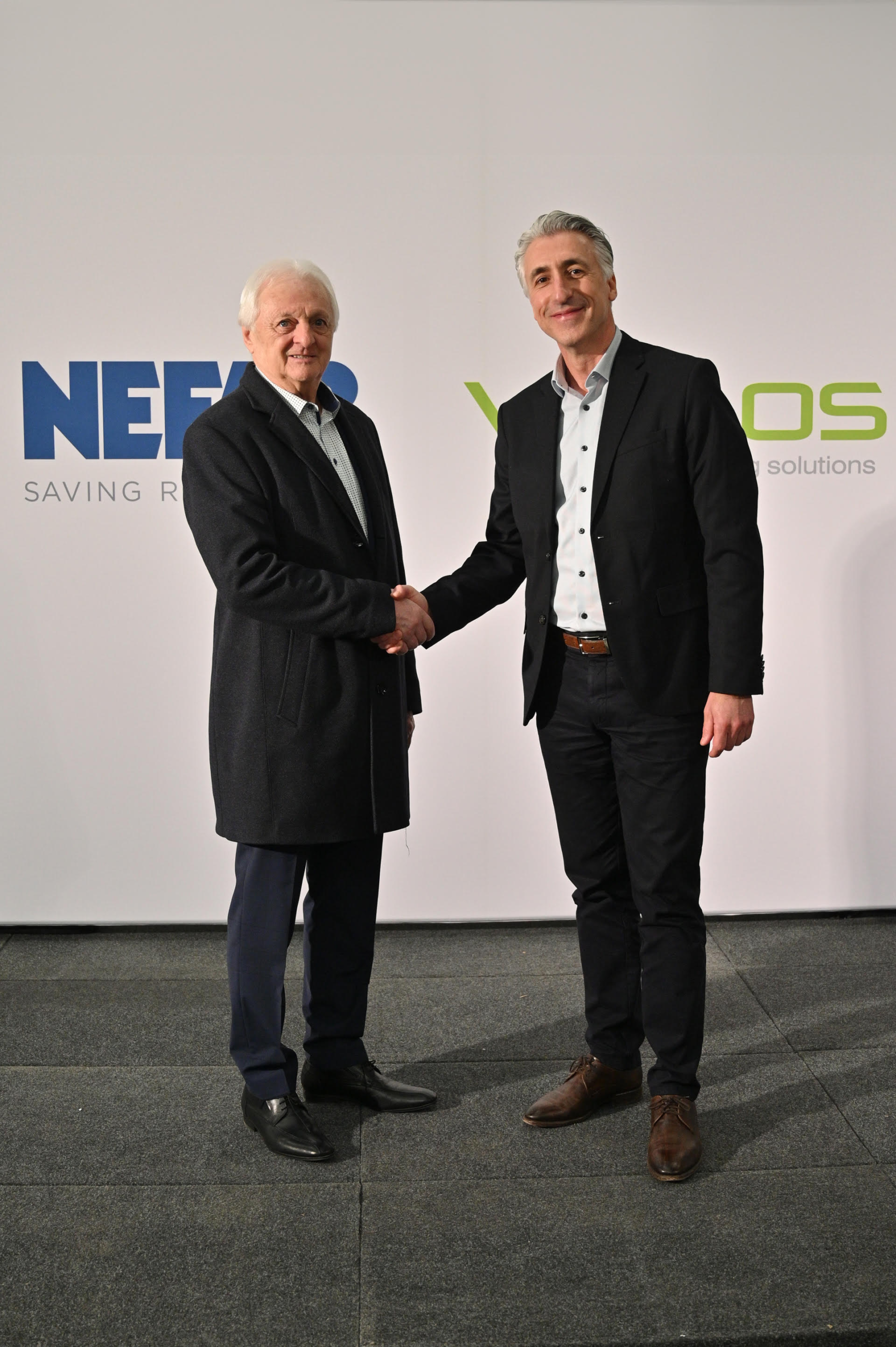
In addition, the company concluded long-term agreements with leading European manufacturers of key technical components for its power networks in Germany as part of a large-scale procurement initiative.
Commenting in a release was Leonhard Birnbaum, CEO of E.ON, who said the company’s growth strategy has placed them “in a good position.
“No other company is driving the transformation of Europe’s energy system as we are. We demonstrated this once again in the second quarter, seamlessly continuing our successful start to the year. This performance can’t be taken for granted. It is the result of our employees’ daily hard work and dedication.”
Have you read:
E.ON signs over €6bn in procurement contracts for core grid components
E.ON builds digital twin for its 700,000km grid in Germany
Added Nadia Jakobi, CFO of E.ON: “Our massive investments and consistent operational execution remained key factors in our earnings growth in the first half of 2025.
“Temporary volume effects in our network business further enhanced this positive performance. Given this, we are well-positioned to meet our guidance and continue providing sustainable, value-creating growth for our shareholders.”
E.ON also cites growth in their energy infrastructure solutions segment, where adjusted EBITDA rose by more than 30% year-over-year to around €330 million ($385.6 million).
The company cites the continued rollout of smart meter infrastructure in the UK, favourable weather effects, improved asset availability – particularly in Scandinavia and the UK – and the commissioning of new projects as key contributors to earnings growth.
E.ON’s adjusted group net income increased as well, rising by 10% to €1.9 billion ($2.2 billion).
German network regulation
Although E.ON says it is well positioned for the upcoming years due to its growth and investment programme, with plans to invest a total of €35 billion ($40.9 billion) in its network business between 2024 and 2028, the company has called for a future-oriented network regulation.
According to the utility, the Federal Network Agency’s current draft determinations for the fifth regulatory period includes several key elements that could significantly hinder future investments.
“The energy transition will require billions in private capital in the years ahead, as well as a regulatory system that enables these investments,” said Birnbaum.
“While other countries are creating targeted regulatory incentives, Germany risks falling behind. We therefore urge the Federal Network Agency to take network operators’ factual arguments seriously and facilitate the investments needed for the energy transition, security of supply, and affordability, rather than hinder them.”
According to E.ON, these elements include rates of ROI that are uncompetitive internationally, as well as changes to the efficiency benchmark that will disadvantage network operators.
Additionally, they say, the planned inclusion of redispatch costs in the efficiency benchmark adversely impacts network operators in regions with a high share of renewables. Namely, the expansion of renewable energy in Germany still largely takes place without regional coordination. This leads to grid bottlenecks, which need temporary plant curtailment.