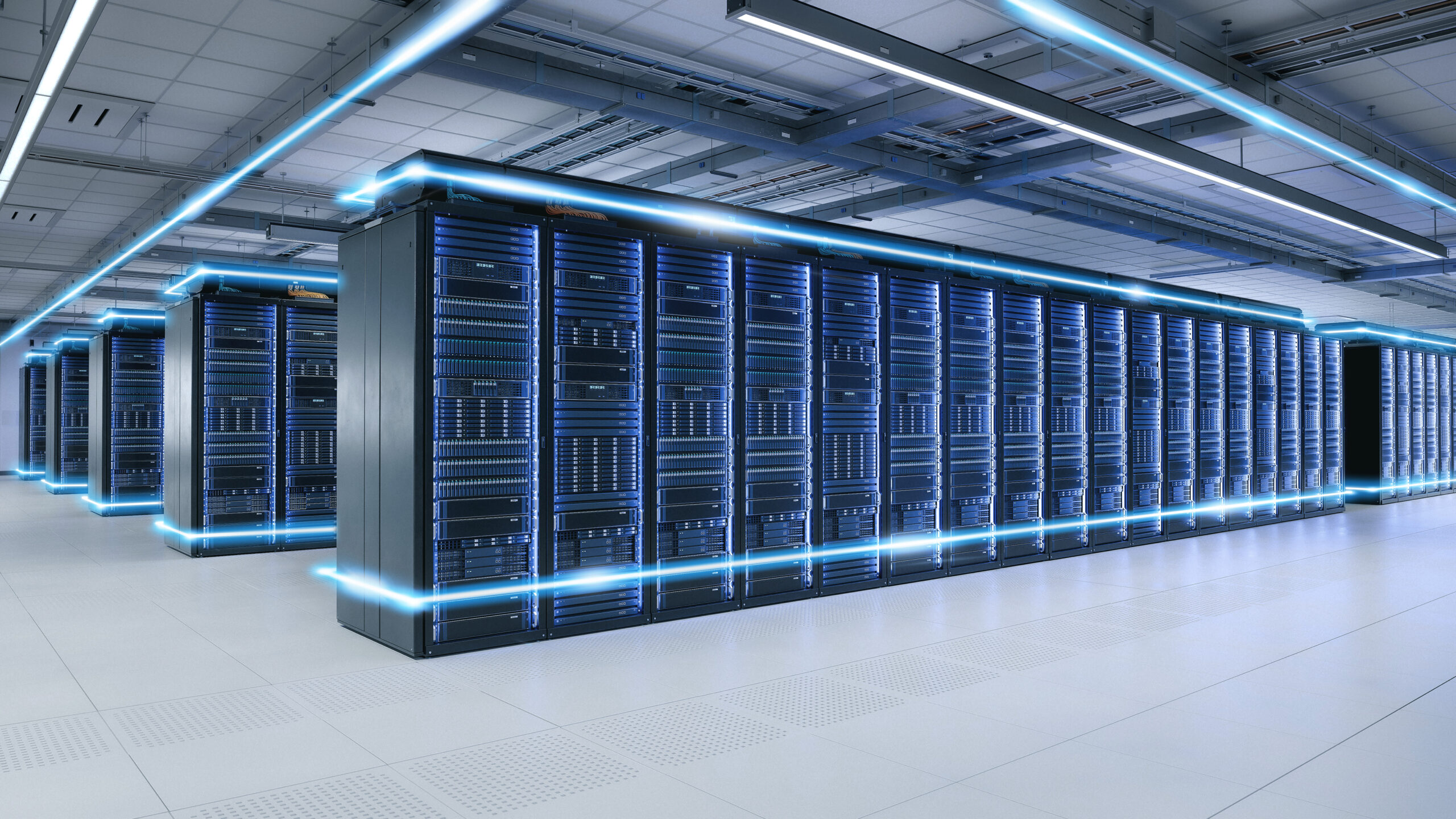
A significant minority of data centre operators still are not tracking one of the sector’s basic energy performance measures, according to a 451 Research study commissioned by Janitza, raising fresh questions about how prepared existing facilities really are for AI-driven power demand.
The late-2025 survey of 208 data centre professionals found that 23 percent do not track power usage effectiveness at their primary facilities, while just over half reported PUE figures between 1.5 and 2.0. On one level that sounds like a familiar efficiency discussion. In practice, the issue is widening into something more commercially serious as AI infrastructure pushes electrical and cooling systems harder, faster, and less predictably than conventional server estates.
The pressure is coming from both scale and volatility. The study argues that highly dynamic AI workloads can drive power fluctuations of 40 to 70 percent within milliseconds, creating new stress on electrical networks and power quality. It also points to rack densities moving toward 40 kW to 120 kW, far above the 5 kW to 10 kW range long associated with traditional data centre layouts. That combination changes the job of monitoring from a reporting exercise into an operational control problem.
The wider energy picture only sharpens that point. The International Energy Agency now projects that global electricity consumption by data centres will roughly double to around 945 TWh by 2030, with AI as the main driver of that growth. In that context, facilities that still lack clear visibility across the power chain are not just missing an efficiency target. They are potentially running into a constraint on uptime, capacity planning, and future revenue.
Janitza is using the findings to make the case for more granular monitoring of both energy use and power quality, backed by its GridVis software platform and associated measurement hardware. That commercial angle is obvious, but the underlying message is harder to dismiss. As GPU-heavy infrastructure moves from isolated deployments to mainstream build plans, operators need much better visibility into how their electrical systems behave under rapid load change, not simply what their monthly energy bill looks like.
There is also a timing issue. Data centre operators can still treat monitoring as a secondary systems layer while retrofits remain manageable, or they can wait until denser AI loads expose weaknesses in distribution, cooling coordination, and asset life. The survey suggests too many are still closer to the second position than the first.
PUE on its own will not tell operators everything they need to know. But failing to track even that baseline metric in 2026 is a clear sign that parts of the market are still behind the infrastructure demands AI is already imposing.