
Opinion
-

Cybersecurity now shapes automotive resilience, compliance, and transformation at scale. Bodo Philipp, CEO at MHP Consulting UK, argues that secure engineering, supplier visibility, and disciplined resilience are becoming essential as software-defined vehicles and connected production systems deepen the industry’s exposure.
-
AI asset monitoring fails when underlying engineering data is weak. Ivan Morley argues that structured asset records, clear identifiers, and disciplined maintenance histories must come before predictive maintenance or automated diagnostics can deliver trustworthy value.
-
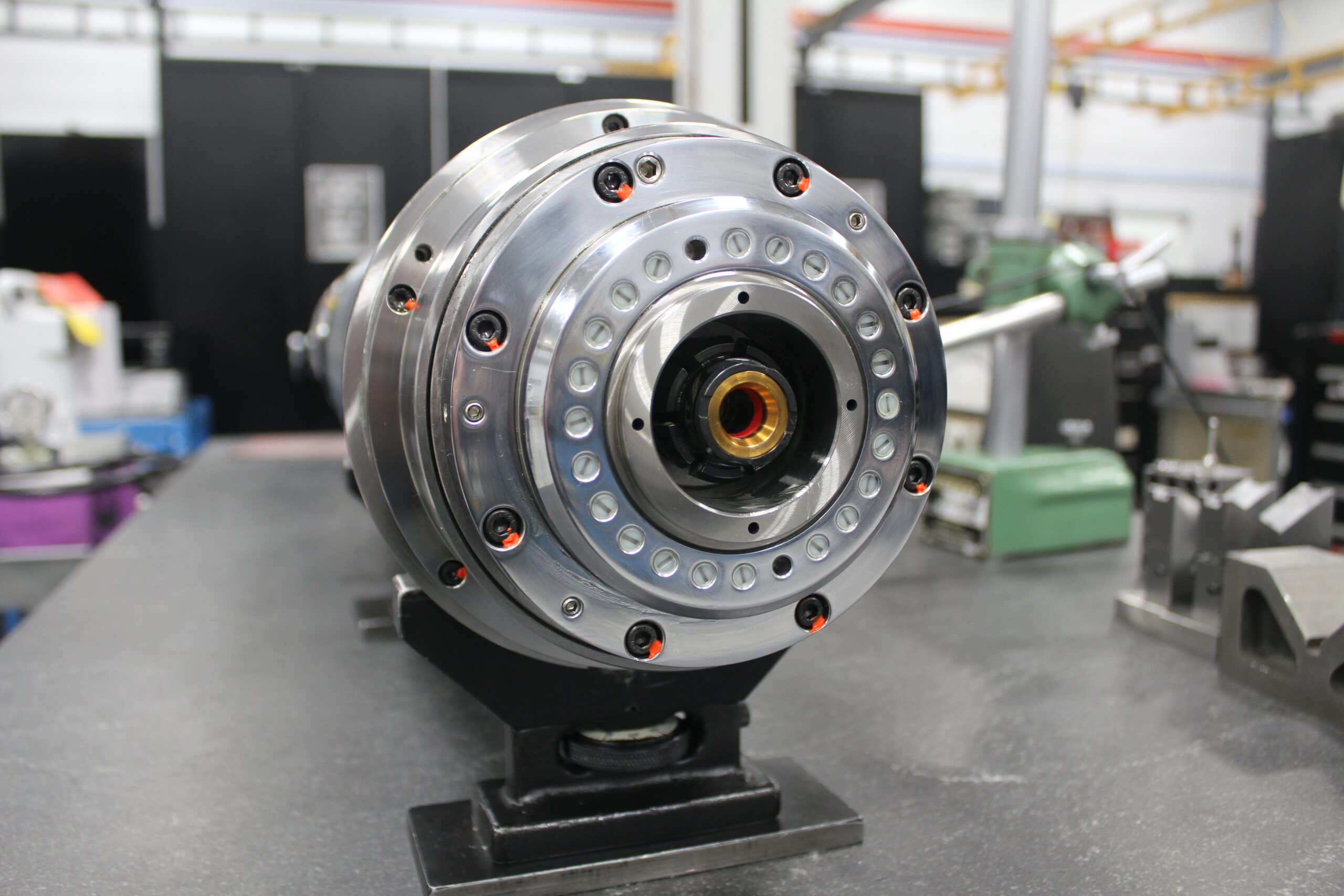
Spindle failures can halt production within minutes and quickly escalate costs. Fast repair turnaround, strong engineering expertise, and efficient logistics are critical factors when manufacturers need CNC equipment restored and production schedules back on track.
-

Liquid level sensing underpins reliable power generation and fuel storage. From data centres’ UPS and hospital standby sets to remote diesel plant, accurate level measurement prevents run-dry events, sediment ingestion, and coolant loss. Hydrostatic and radar options also support custody transfer, leak detection, and alerts across bulk and day tanks.
-

PCB design tools directly shape engineering efficiency and outcomes. Selecting platforms that integrate schematic capture, rule checking, stack-up control, and DFM validation reduces rework and late-stage errors. From library discipline to final Gerber output, workflow coherence determines whether fabrication proceeds cleanly or exposes avoidable oversights.
-

Mesothelioma diagnoses often trace back to historic asbestos exposure workplace. With symptoms emerging decades later, former construction, shipbuilding, and manufacturing workers face late-stage detection. Specialist-led care, clinical trials, and practical support can improve outcomes, while compensation claims may help cover treatment costs and lost income.
-

Digital resilience has become a core operational requirement for modern manufacturers. Al Kingsley MBE, Group CEO of NetSupport, examines how visibility, secure remote access, and proactive monitoring help manufacturers reduce downtime, manage complex IT estates, and keep production moving as digital dependency deepens.
-
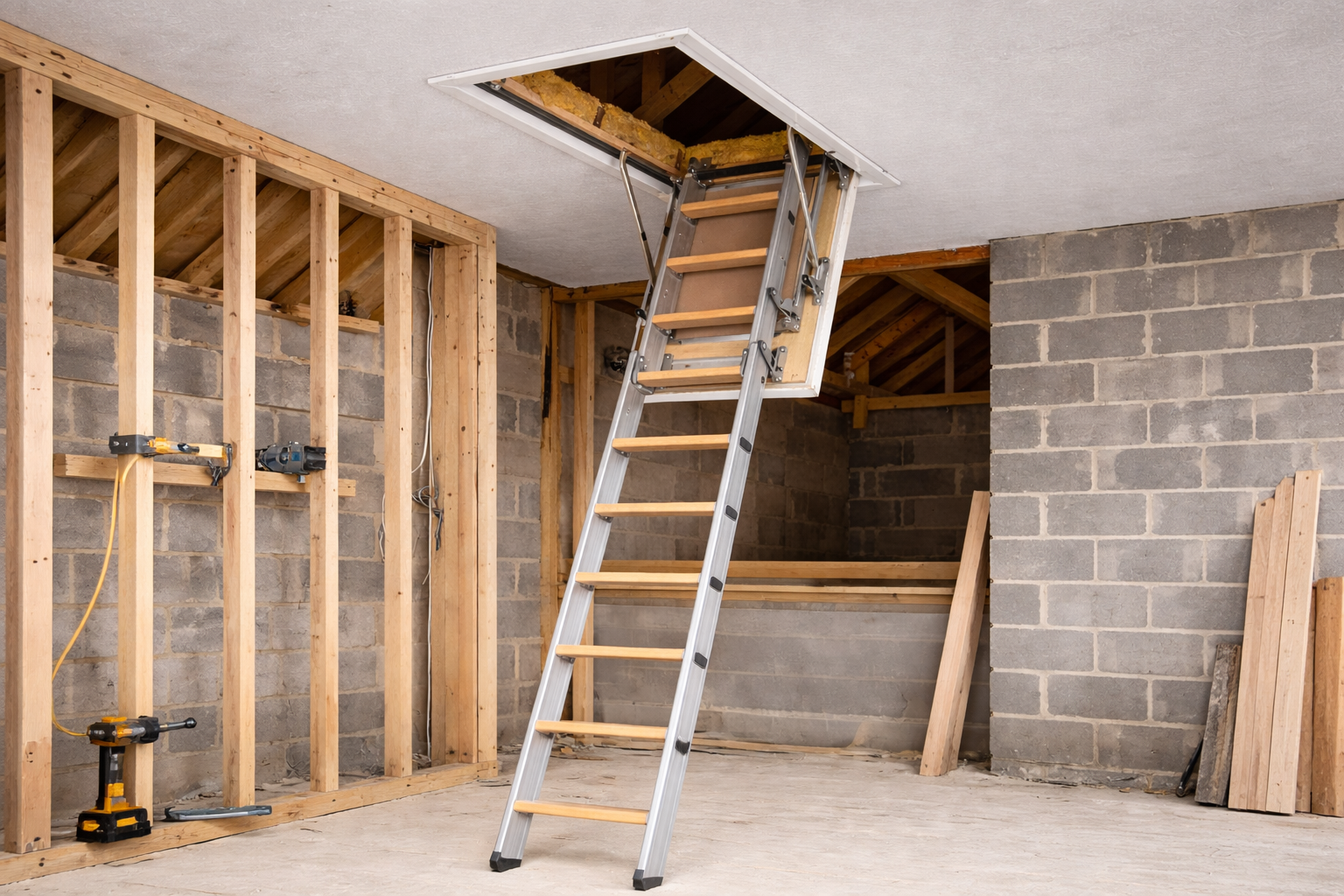
Poorly planned attic access creates long-term safety, compliance, and liability risks. For construction professionals, access design decisions affect Building Control approval, occupant safety, and future maintenance. Getting placement, equipment choice, fire performance, and insulation detailing right avoids remedial work and protects both building users and professional reputations.
-

Serious brain injuries demand rapid care, decisions, and legal awareness. From rehabilitation funding to evidence gathering and strict limitation periods, families facing third-party negligence must balance recovery with practical steps that protect long-term financial and care outcomes.
-

Digital safety technologies are reshaping risk management across manufacturing operations. AI analytics, augmented reality training, and faster access to PPE are reducing incidents, limiting downtime, and turning workforce safety into an operational and commercial priority.

© 2b Publishing 2026.