
News
-
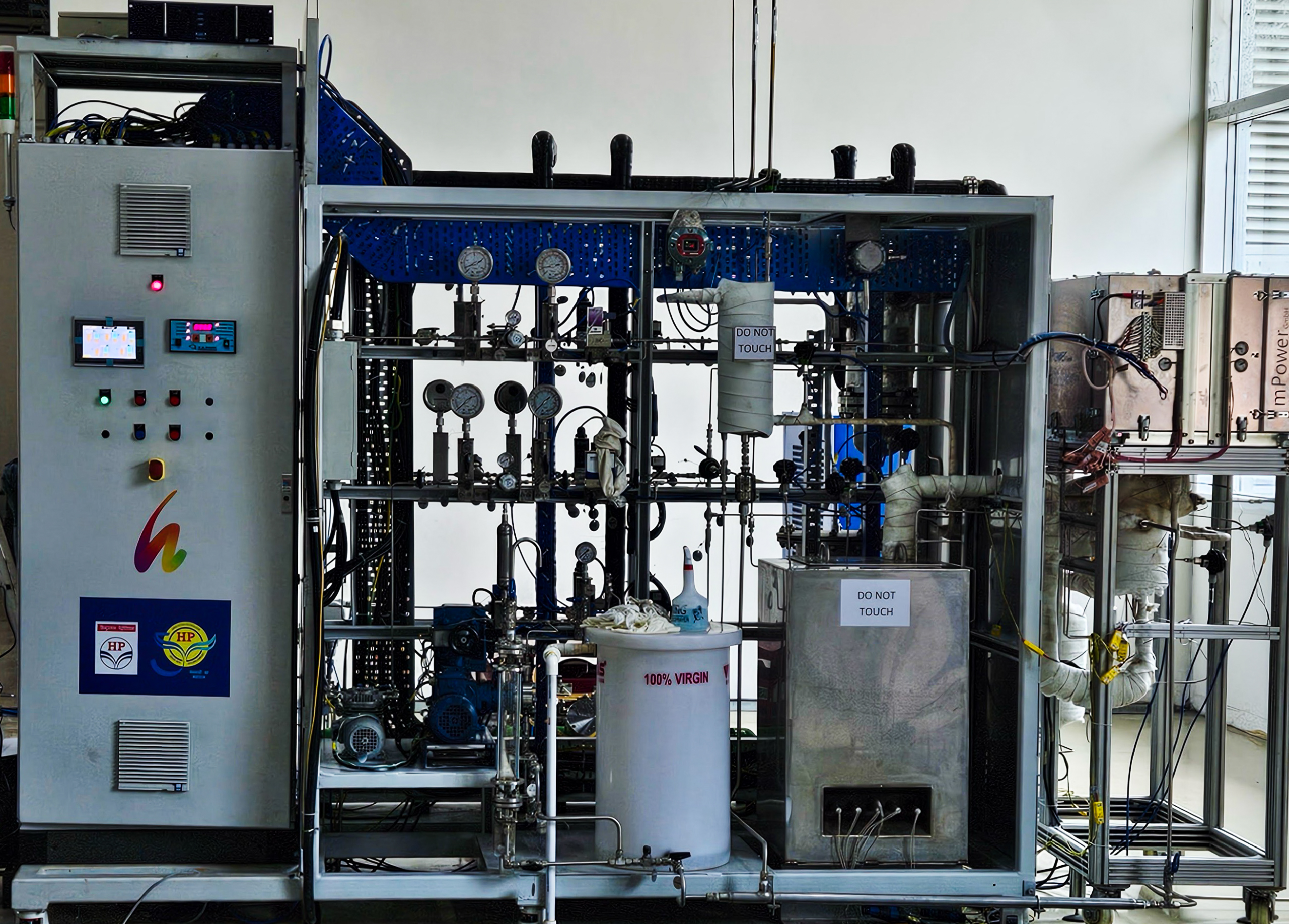
Schneider Electric has expanded its industrial AI alliance with Microsoft. A live hydrogen deployment in India is now being used to prove the model.
-

Nulogy has launched maintenance software linking machine health to output. The new CMMS connects maintenance and production data to trigger work from live conditions, helping plants reduce downtime and track performance improvements over time.
-
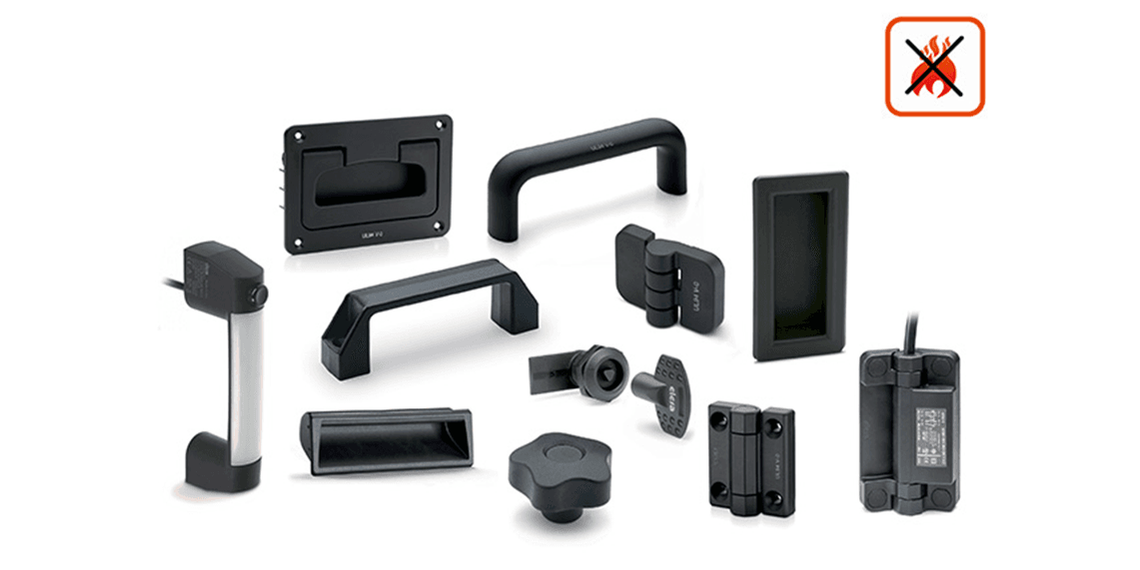
Elesa has expanded its fire-resistant component range for machine builders. The move broadens access to UL 94 V-0 hardware across handles, hinges, knobs, and closures.
-
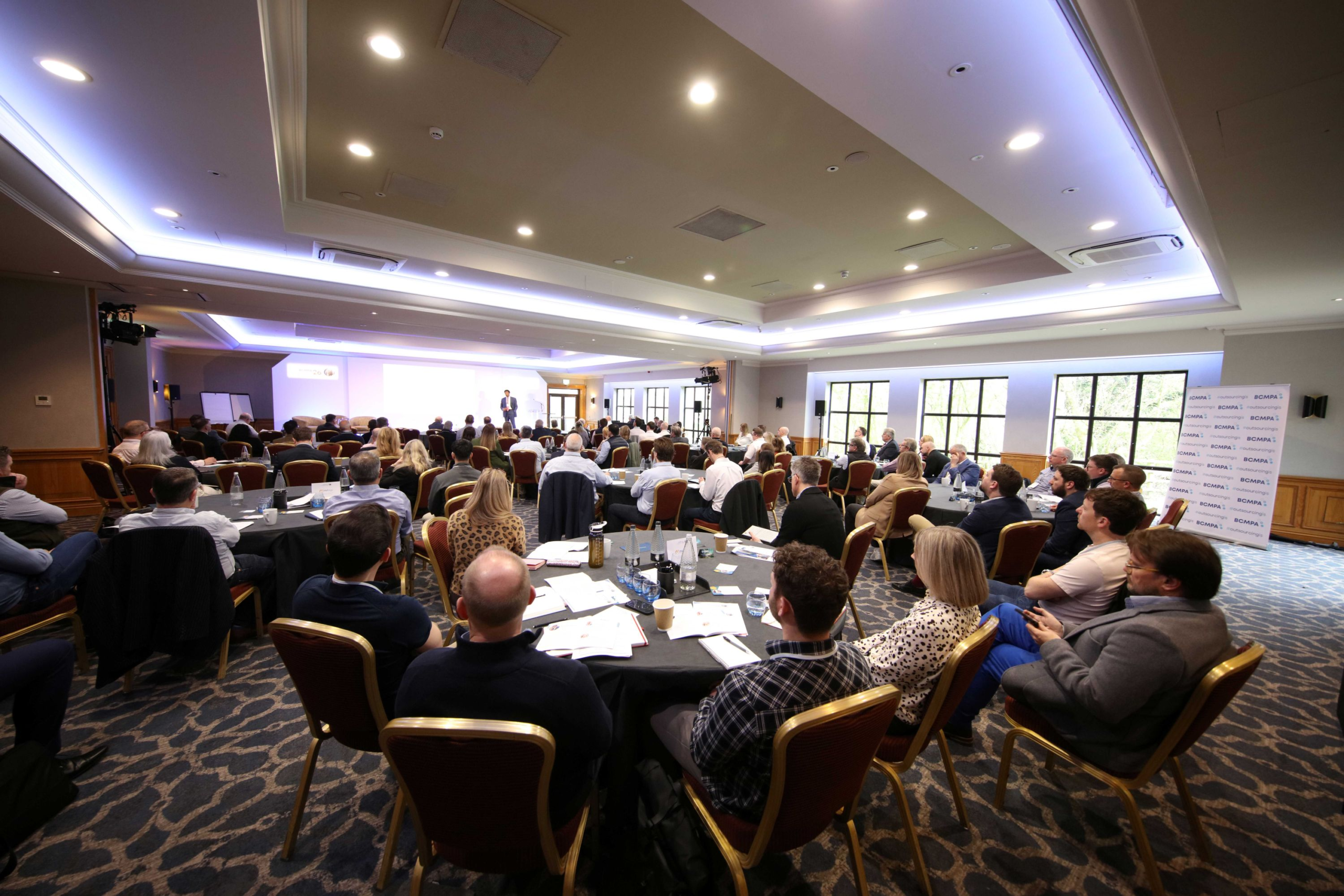
BCMPA’s 2026 conference examined economic, legislative, technology, and workforce pressures. Delegates heard on growth risks, EPR reform, cyber resilience, automation, talent retention, and renewable energy investment across contract manufacturing, packing, fulfilment, and logistics.
-

Government has confirmed fresh backing for Agratas’ Somerset battery plant. The package sharpens the UK’s push to localise EV supply chains and expand domestic cell production.
-

Amcor has launched a lighter flip-top closure for sauce applications. The 55 mm Flava 38/400 reduces cap weight by 18.7%, while retaining dispense performance and recyclability readiness with PET, HDPE, and PP bottles where suitable infrastructure exists.
-

Engineering workers report a pronounced afternoon dip in alertness today. New survey data places manufacturing among the UK sectors most reliant on caffeine, as fatigue remains tied to shift design, workload, and safety-critical performance.
-
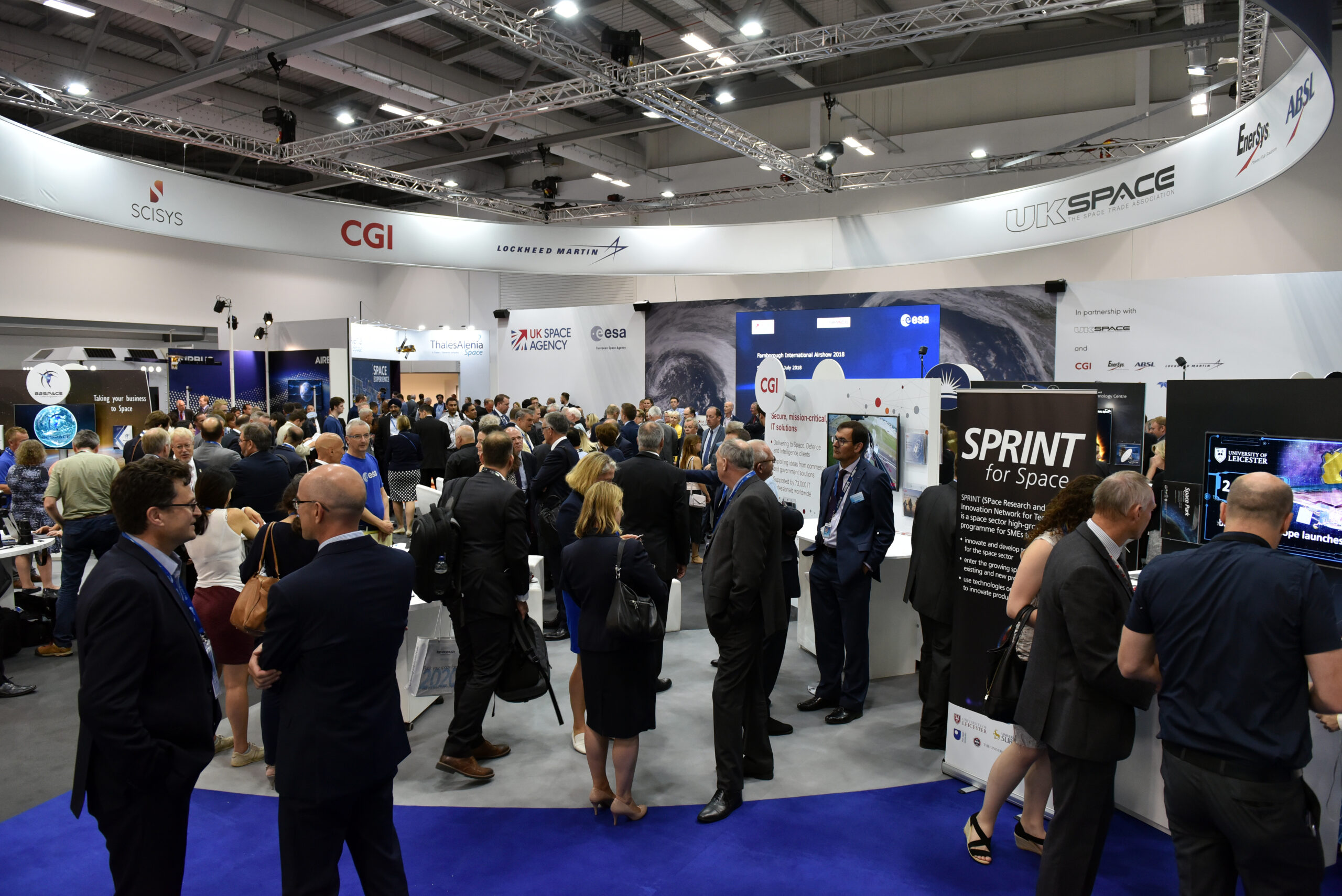
Aerospace investment is becoming a formal part of Farnborough now. The 2026 airshow will introduce a dedicated finance summit as Barclays joins as a strategic partner and Baroness Patience Wheatcroft takes the moderator role.
-

Cabin interiors are increasingly being won through vertical integration strategies. Muirhead’s parent Scottish Leather Group has acquired Aerotech Systems, bringing UK CAA Part 21G production approval into the group as it broadens its aviation seating offer.
-

Industrial AI is moving closer to plant-level service delivery models. IntelliAM’s acquisition of RBM Lubrications adds field engineering capability in Scotland and tightens the link between condition monitoring, lubrication, and machine-learning-led asset management.

© 2b Publishing 2026.