
Electrical
-

Toyota outlines a new EV charging ecosystem in Europe. The initiative, focusing on smart energy services, will initially target the UK and Germany. It aims to enhance charging convenience, support grid stability, and promote renewable energy integration.
-
Tom Cork joins Mitsubishi Electric as Indirect Sales Manager. His appointment is part of a strategic shift towards solutions, enhancing the company’s channel performance. Led by Divisional Director Mike Cairns, the UK management team aims to transform the business into a growth engine.
-

Government invests £10 million in innovative EV charging solutions. This funding aims to overcome grid constraints, enabling more electric vehicle charge points on major roads, including rural areas. Private operators are encouraged to apply to develop renewable energy technologies, expanding existing energy supplies.
-

GSK’s Singapore site to cut energy use substantially. The Tuas South facility will reduce electricity consumption by 615 MWh annually, equivalent to powering over 120 Singaporean households. This initiative, part of GSK’s decarbonisation strategy, includes ABB’s energy-efficient motors and drives, with a 2.5-year ROI.
-
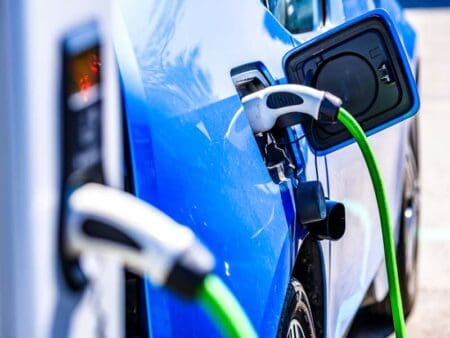
Researchers at Salford University innovate EV charging technology. The team has developed a bi-directional charger enabling electric vehicles to power buildings. This advance could significantly cut energy costs and emissions, particularly benefiting the tourism sector on the Isle of Wight.
-

British Gas and Zaptec unveil a communal EV charging tariff. This initiative targets cost reductions for property developers, landlords, and residents in shared living spaces. By offering competitive rates, it addresses disparities in charging costs, paving the way for more equitable electric vehicle adoption across the UK.
-
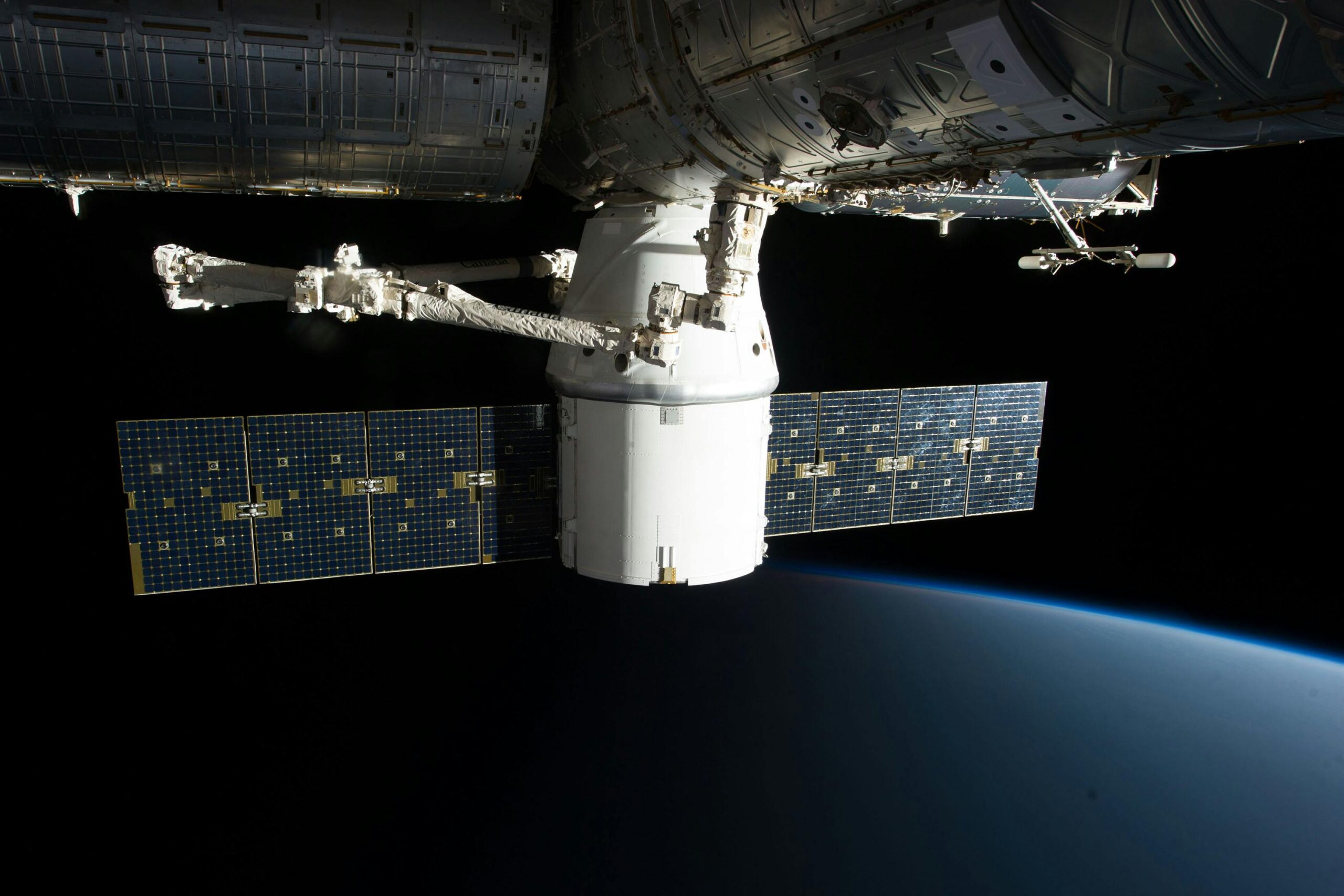
New analysis suggests space-based solar could sharply reduce Europe’s renewables. Mike Torbitt of Cressall examines the technical demands behind those projections, including the resistor performance required for launch and in-orbit operation.
-

Vertical motor resonance remains a persistent reliability challenge for industry. Wolong Electric America’s engineers have developed a more precise two-degree-of-freedom model that captures the real dynamics of rotating and stationary components, improving RCF prediction accuracy. The approach gives manufacturers the clarity to design against damaging resonance.
-

Vertiv and Caterpillar announce strategic energy optimisation collaboration. The partnership focuses on integrating Vertiv’s power distribution and cooling solutions with Caterpillar’s power generation and CCHP expertise. This initiative aims to enhance data centre energy efficiency and accelerate deployment, addressing the rising demand for reliable on-site energy solutions.
-
IFS and Siemens partner for AI-driven power grid solutions. The collaboration aims to tackle infrastructure challenges by integrating AI-powered asset management with Siemens’ solutions. This modular approach supports utilities in maintaining reliability and achieving sustainability goals.

© 2b Publishing 2026.