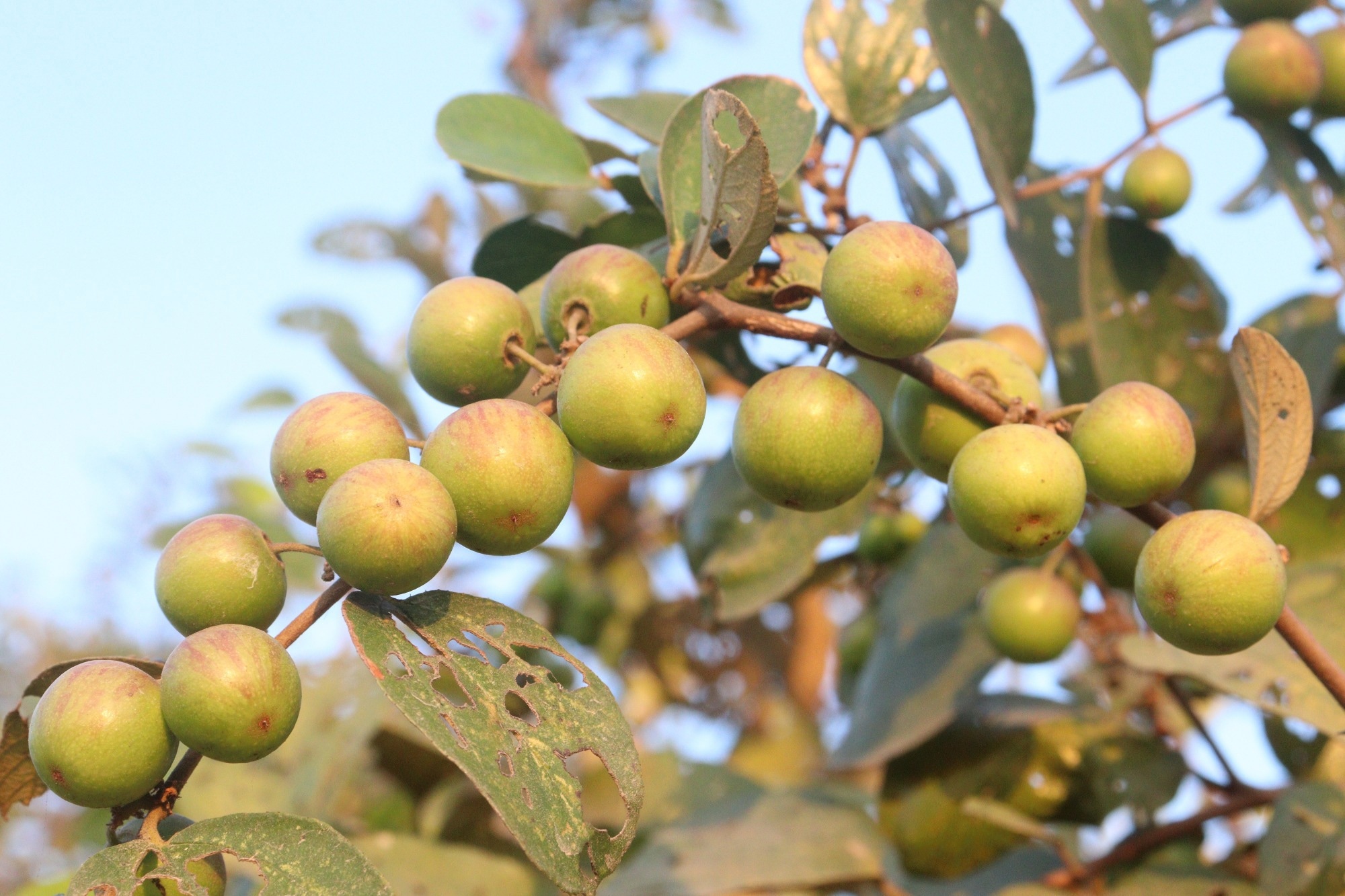
Scientists in Malaysia have identified the methanolic extracts from the leaves of Ziziphus mauritiana as particularly effective against bacterial and fungal strains, exceeding the efficacy of other plant parts. This finding offers preliminary evidence of the medicinal potential of this tropical fruit tree, commonly known as Bidara in Malaysia.
A study published in the journal Scientific Reports examined the antimicrobial properties of Ziziphus mauritiana, a tree that can grow up to 15 meters with a robust trunk and glossy leaves. While various parts of the plant are traditionally used for their nutritional and medicinal benefits, the clinical application of Ziziphus mauritiana remains uncertain due to limited understanding of its antimicrobial efficacy and toxicological profile.
The research involved in vitro experiments using crude methanolic extracts. The study’s methodology included preparing extracts from different plant parts and testing them against Fusarium solani and Escherichia coli using the disc diffusion method. Sterile paper discs impregnated with extracts were placed on agar plates inoculated with the test organisms. Streptomycin served as a positive control, while methanol was used as a negative control.
Results showed that leaf extracts exhibited the highest antibacterial and antifungal activity, followed by bark, stem, roots, and fruit extracts. The inhibition zones for E. coli were notably larger for leaf extracts compared to other parts, while the leaf and root extracts demonstrated similar antifungal activities against F. solani. The study reported minimum inhibitory concentrations (MIC) and minimum bactericidal or fungicidal concentrations (MBC/MFC), with leaf extracts showing significant antimicrobial potential.
While the findings are promising, they are based solely on in vitro tests and descriptive statistics. Further research is required to identify the bioactive compounds responsible for the antimicrobial effects, assess cytotoxicity, and expand the microbial panels tested.
Future investigations should focus on bioassay-guided fractionation to isolate active compounds, evaluate safety profiles, and employ comprehensive statistical analyses to confirm clinical efficacy. This research is crucial for advancing the potential therapeutic applications of Ziziphus mauritiana in industrial and medical contexts.