AkzoNobel has upgraded three North American powder coatings factories through a $60m investment spanning Reading, Pennsylvania, Warsaw, Indiana, and Monterrey, Mexico. The programme combines new production equipment, automated process control and increased local manufacturing capacity. It is intended to support powder coating supply for automotive, commercial vehicle and wider industrial markets, including applications involving battery systems and energy storage equipment.
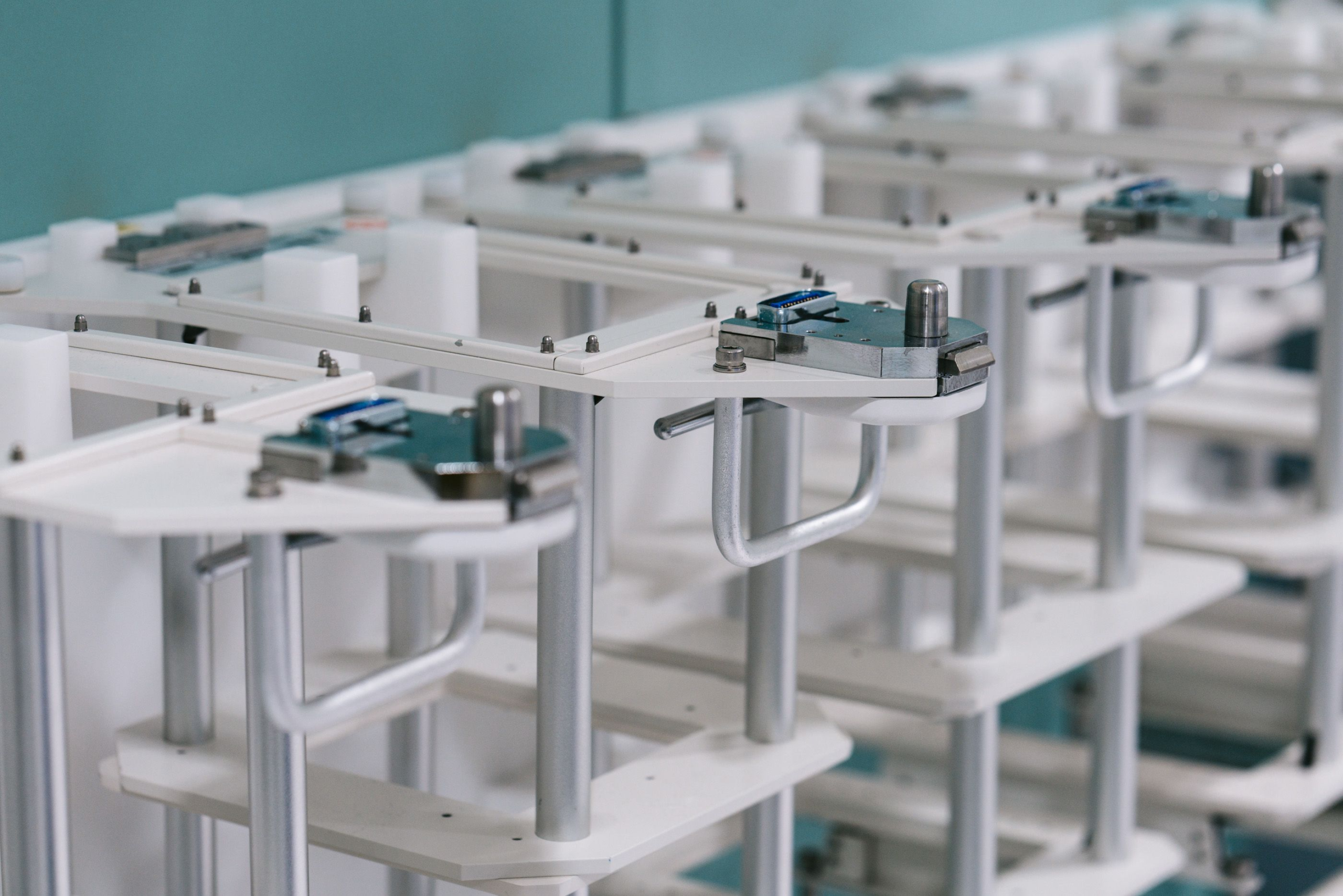
Reading already accounts for approximately 45% of AkzoNobel’s powder coating batches in North America and has received three additional production lines, advanced bonding technology and automated controls. The combination increases production options while allowing processing conditions to be managed across different coating formulations. More lines also require material deliveries, production scheduling and quality checks to operate together, especially when the plant switches between products with different resin, pigment and additive compositions.
Powder coatings are made by combining a resin system with pigments, additives and other formulation ingredients, processing the mixture into a homogeneous material, then cooling and milling it into powder particles. Those particles are subsequently applied to a prepared component and heated or otherwise cured to form the protective film. The factory producing the powder has to control how ingredients are distributed and the characteristics of the finished particles; variation at that stage can affect how the coating is applied and the appearance of the cured finish.
At Reading, bonding equipment strengthens the facility’s ability to produce effect finishes. Metallic and similar pigment particles can separate from the main powder during handling or reclamation because their size and physical properties differ. Bonding processes associate the effect pigment more closely with the base powder, improving the uniformity of the mixture during application and reuse. The new capability complements the production lines and allows more specialised formulations to be handled within the upgraded manufacturing operation.
The automated controls introduced at Reading also affect batch repeatability. Powder production involves several linked stages — blending, melt processing, cooling, milling and classification — and the final powder’s characteristics depend on operating conditions throughout the sequence. Monitoring temperature, feed conditions and process settings helps a manufacturer maintain specification while changing grades. Consistent records also assist the investigation of deviations when a finished coating does not perform as expected in application or curing.
Warsaw has increased its powder coatings capacity by 30%, alongside a 10% increase in the workforce. Both figures apply to the Indiana plant. Additional operators and maintenance capability support the increased equipment throughput, particularly where production schedules involve frequent changes between product formulations. Output in service will depend on plant utilisation and customer orders, but the enlargement gives AkzoNobel another source of regional capacity beyond Reading.
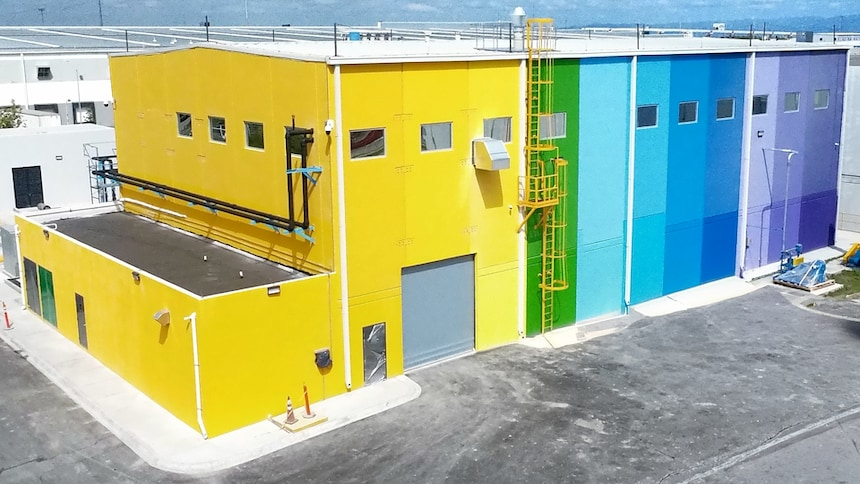
Monterrey has gained a new acrylics manufacturing facility, adding to the technology mix available within the North American network. Acrylic powder systems can be selected for particular surface appearance, weathering and durability requirements, depending on the complete formulation and the component being coated. Production in Mexico gives AkzoNobel an additional manufacturing location for such materials, alongside its upgraded US plants. The company has reported the facility’s construction without assigning a separate investment value to that individual site.
Industrial applications impose different coating requirements across vehicle components, fabricated structures, housings and energy equipment. The final finish may need to satisfy defined targets for appearance, adhesion, impact resistance, weathering or corrosion protection, with powder formulation and curing conditions selected accordingly. Expanding the range of systems that can be made within the regional network involves equipment capable of consistent batches while switching between grades. On the customer side, application method, substrate preparation and curing remain important to finished film performance, even where the powder is manufactured to a consistent specification.
AkzoNobel is also training employees to operate newer production and process-control technologies. Changes to production equipment alter how formulations are set up, monitored and switched between, while each batch must still meet its specified coating properties. Across the three sites, the practical outcome will be measured in repeatable commercial production, product availability and the ability to handle different grades through an enlarged manufacturing network.
The $60m programme is spread across existing operations rather than constituting a single new factory. Reading’s three lines and bonding capability, Warsaw’s 30% capacity increase and Monterrey’s acrylics unit give the business a wider range of production routes for industrial coating systems. Those installed changes now form part of AkzoNobel’s North American manufacturing footprint.