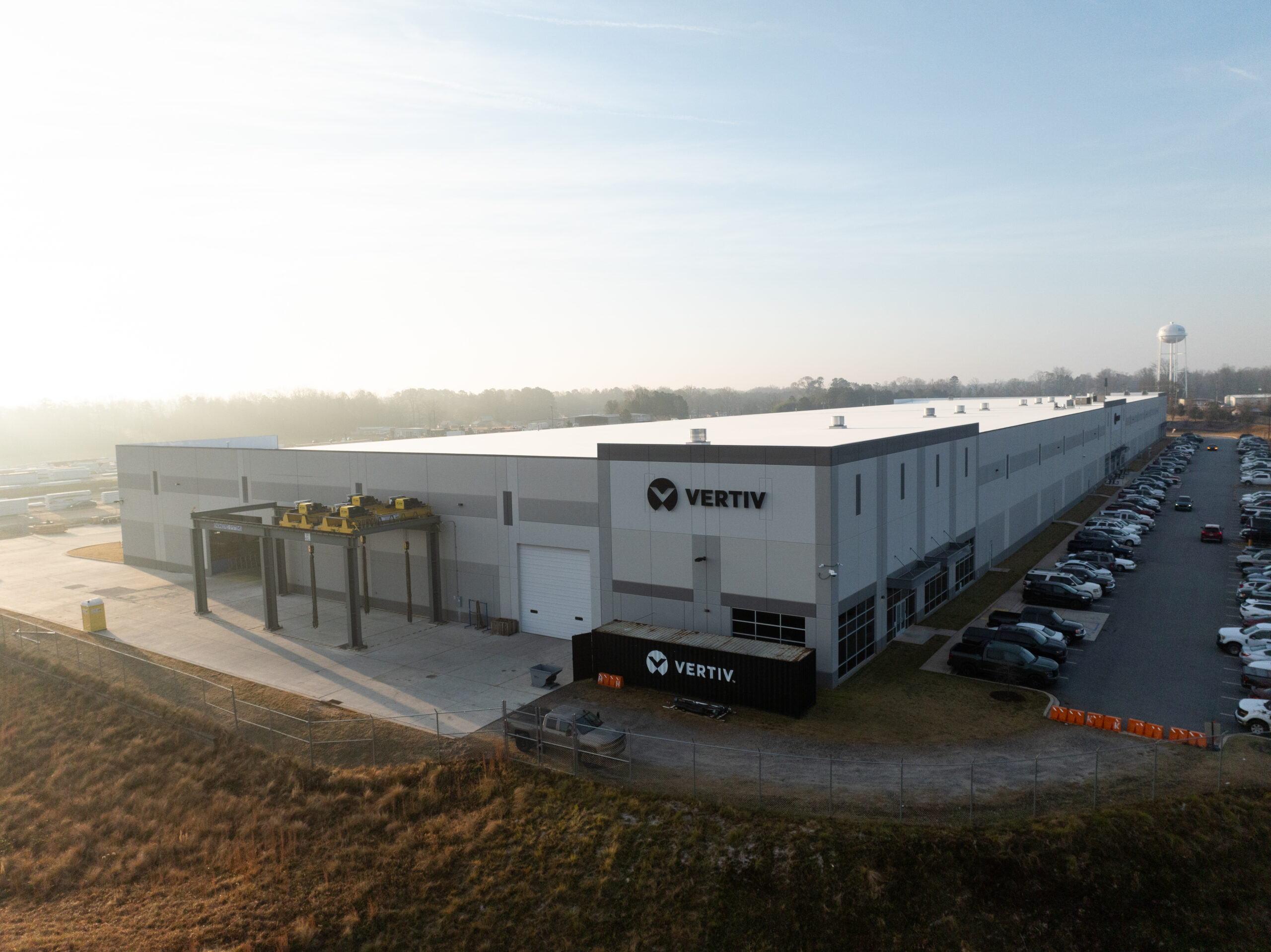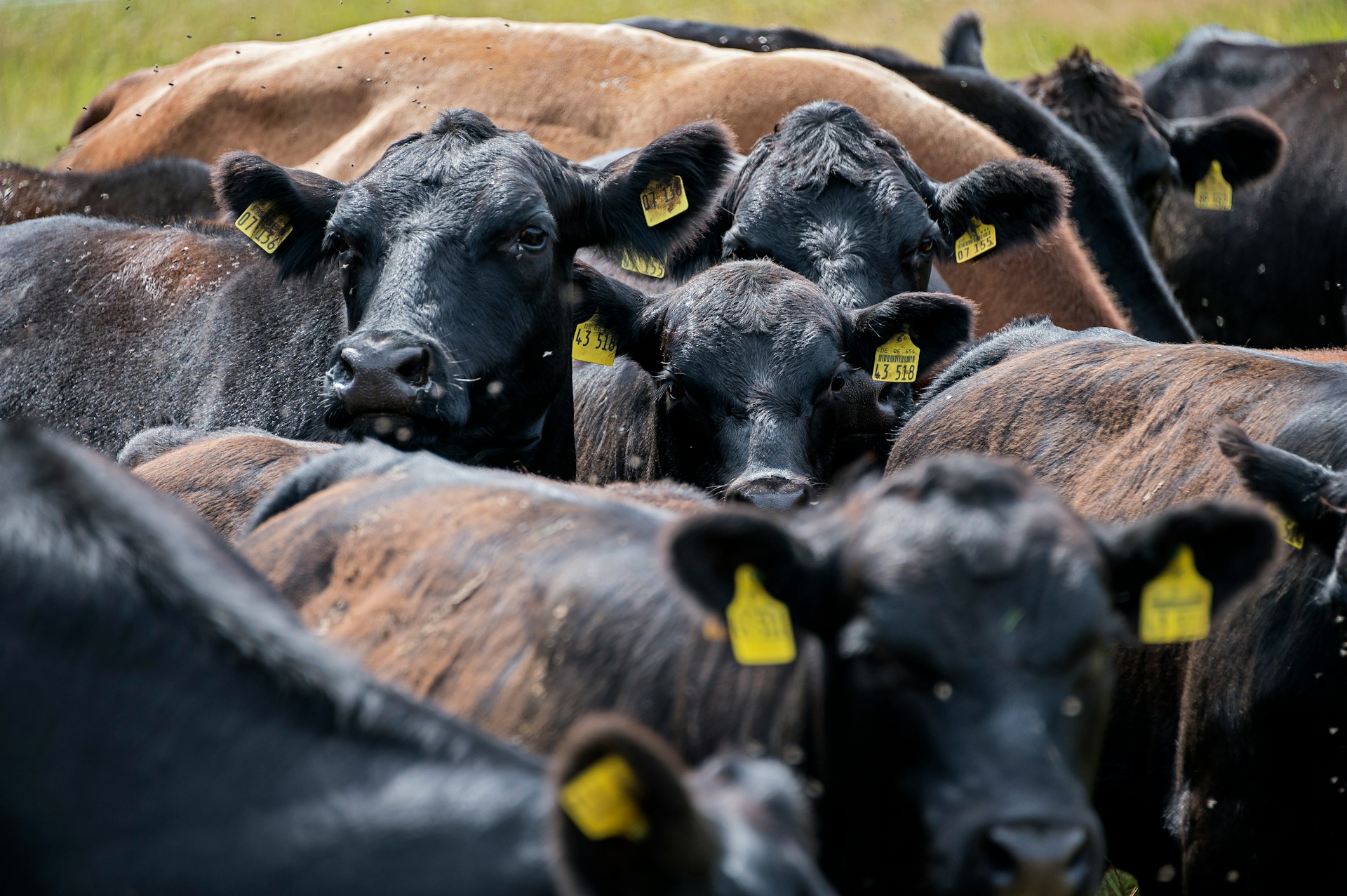
Lumachain has partnered with U.S. beef producer Sustainable Beef to deploy 24/7, AI-based animal welfare monitoring across the company’s new $400m North Platte plant in Nebraska, replacing traditional periodic audits with continuous, computer-vision oversight at commercial scale. The companies claim 100% welfare monitoring coverage across the facility, with AI systems watching every animal-handling stage instead of sampled human checks.
The installation uses strategically placed cameras feeding Lumachain’s proprietary computer-vision algorithms to detect, classify, and log key welfare indicators in real time. The platform automatically flags events such as ineffective stunning, electric prod use, slips and falls, pen crowding, and potential wilful or egregious abuse, pushing alerts to on-site teams for rapid corrective action. Plants can configure their own indicators and thresholds, aligning the system with internal animal-care programmes and external standards.
Sustainable Beef has tuned the system against schemes including the Meat Institute’s guidance in the U.S. and Red Tractor in the UK, using Lumachain’s configuration options to create a plant-specific welfare programme. The company positions this as a way to provide objective, continuous assurance to cattle feeders, ranchers, and downstream customers, at a time when scrutiny on animal handling at the point of slaughter remains high.
Lumachain says its platform has been independently validated in a peer-reviewed study by Colorado State University researchers published earlier this year, and benchmarked against PAACO-trained human evaluators on critical welfare metrics. According to the company, detection accuracy reaches 99.5% for effective stunning and electric prod use, 99% for slips and falls, 99.5% for pen crowding, and 98% for potential wilful and egregious acts of abuse. In practice, that level of sensitivity means far more data than conventional clipboard audits have ever generated.
“Our platform represents a step-change in Animal Welfare monitoring. It gives all stakeholders including packers, ranchers, retailers, restaurants chains, and ultimately, consumers, certainty that animals are being treated with care and respect at all times,” said Jamila Gordon, CEO and founder, Lumachain. “Working alongside Sustainable Beef, we’re able to deliver continuous, independent verification of welfare outcomes with near-perfect accuracy.”
Sustainable Beef argues that welfare performance is not just a compliance or reputational issue, but a proxy for operational discipline. “Our goal is to be leaders in the animal welfare space. When we do so, we not only improve the welfare of our animals, but also the quality of the beef we provide to our customers and the safety of our people. Lumachain’s technology strengthens that commitment by giving us real-time insight and helping us address issues the moment they arise,” said Paxton Sullivan, technical services manager, Sustainable Beef.
Because the platform measures both welfare signals and operational events through a single AI layer, Lumachain is selling it as a tool for yield, quality, and throughput optimisation as much as welfare assurance. By linking handling events, production milestones, and traceability data into one digital record, the system promises a “single source of truth” for audits and customer claims, while surfacing sources of rework, waste, and bottlenecks that are typically invisible between random inspections.
Lumachain is already deployed in 10 beef packing plants and nearly 50 food and beverage production facilities worldwide, giving the company a launchpad to scale welfare monitoring into a broader industrial visibility platform. If the Sustainable Beef rollout delivers the promised operational savings alongside stronger welfare evidence, AI-driven oversight of livestock processing is likely to move quickly from showcase installation to baseline expectation in large packing plants.