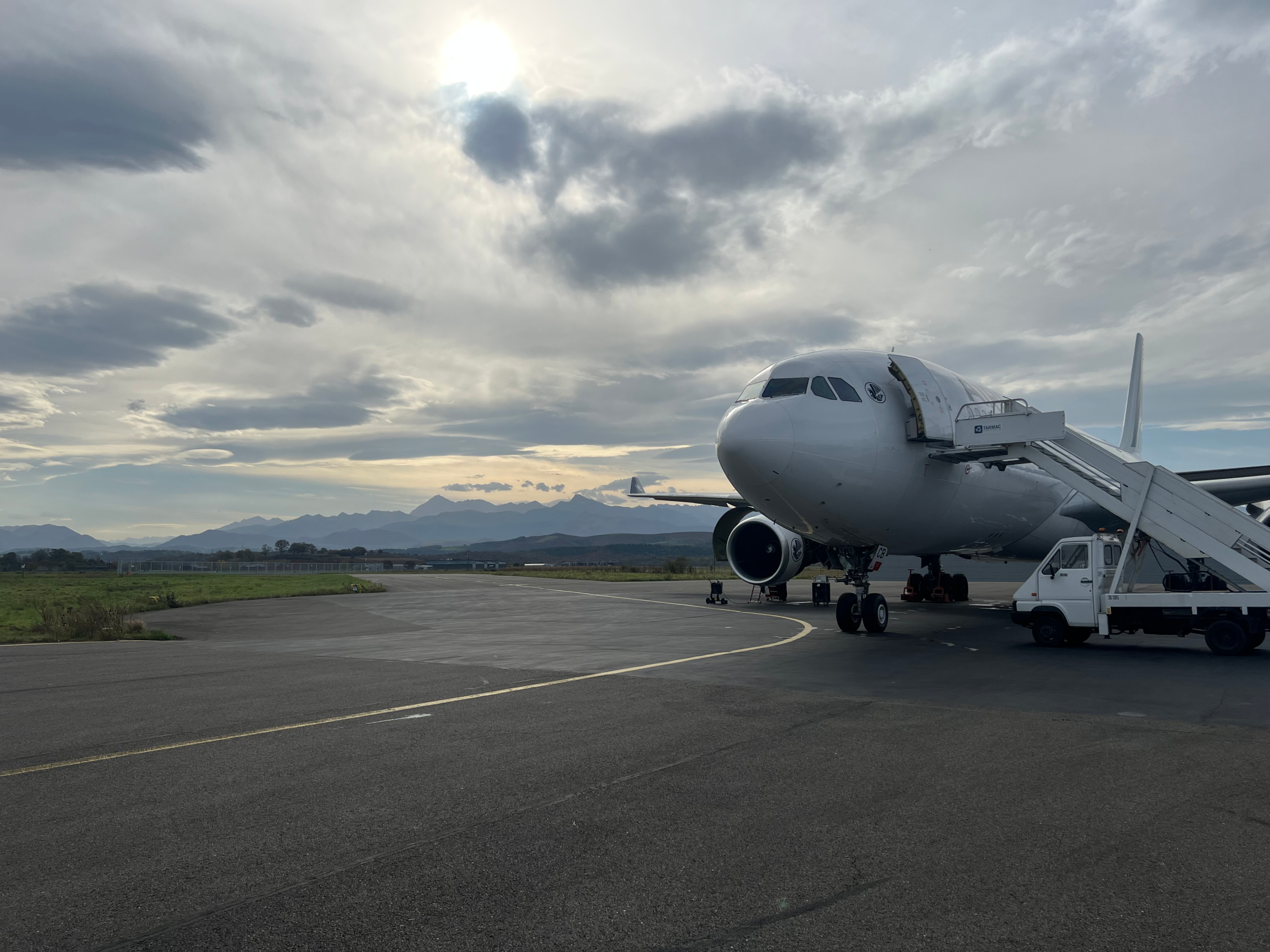
AerFin has completed the sale of an Airbus A330 airframe to the parts trading arm of an airline, a transaction that speaks to the continuing importance of teardown and material recovery in an aftermarket still short of easy supply. For the aviation asset specialist, the deal is less about a single airframe than about placing a mature widebody platform into a channel where used serviceable material can be extracted, certified, and redistributed to operators that still need it.
The timing is notable. AerFin only disclosed the acquisition of a CF6-80E-powered A330 in February as part of a wider push into widebody assets, and the sale suggests the company is moving quickly from acquisition to value realisation. That matters in a market where airlines are keeping older aircraft in service for longer, OEM supply remains constrained, and material availability can dictate whether maintenance events stay on schedule.
Auvinash Narayen, chief investment officer at AerFin, said widebody airframes remain important sources of material, particularly for platforms with substantial operational life ahead of them. The A330 still sits in that useful middle ground between mature and relevant: old enough to generate teardown value, but widespread enough for parts demand to remain durable across operators, MROs, and traders. That gives the type continuing economic weight long after its first delivery cycle.
The broader aftermarket picture helps explain why these assets are drawing attention. Used serviceable material demand has been pushed up by delivery shortfalls, long component and engine lead times, and the slow return of spare capacity across the maintenance ecosystem. Lifecycle management and parts recovery are moving further into the industrial mainstream as operators work around continuing bottlenecks in the aerospace supply chain.
This is where the value chain has shifted. Older aircraft are no longer simply retired and stripped in a reactive way. They are being acquired, managed, and placed as structured inventories that can support fleets still flying under cost and availability pressure. For airlines and traders, the question is less whether to use used serviceable material than whether they can secure the right material at the right time.
For AerFin, the sale is modest in scale compared with aircraft orders or leasing deals, but it is well aligned with current market conditions. As long as aerospace production bottlenecks continue to ripple through commercial aviation, a serviceable A330 airframe will remain more than surplus metal. It is a source of inventory in a market that still values access over abundance.