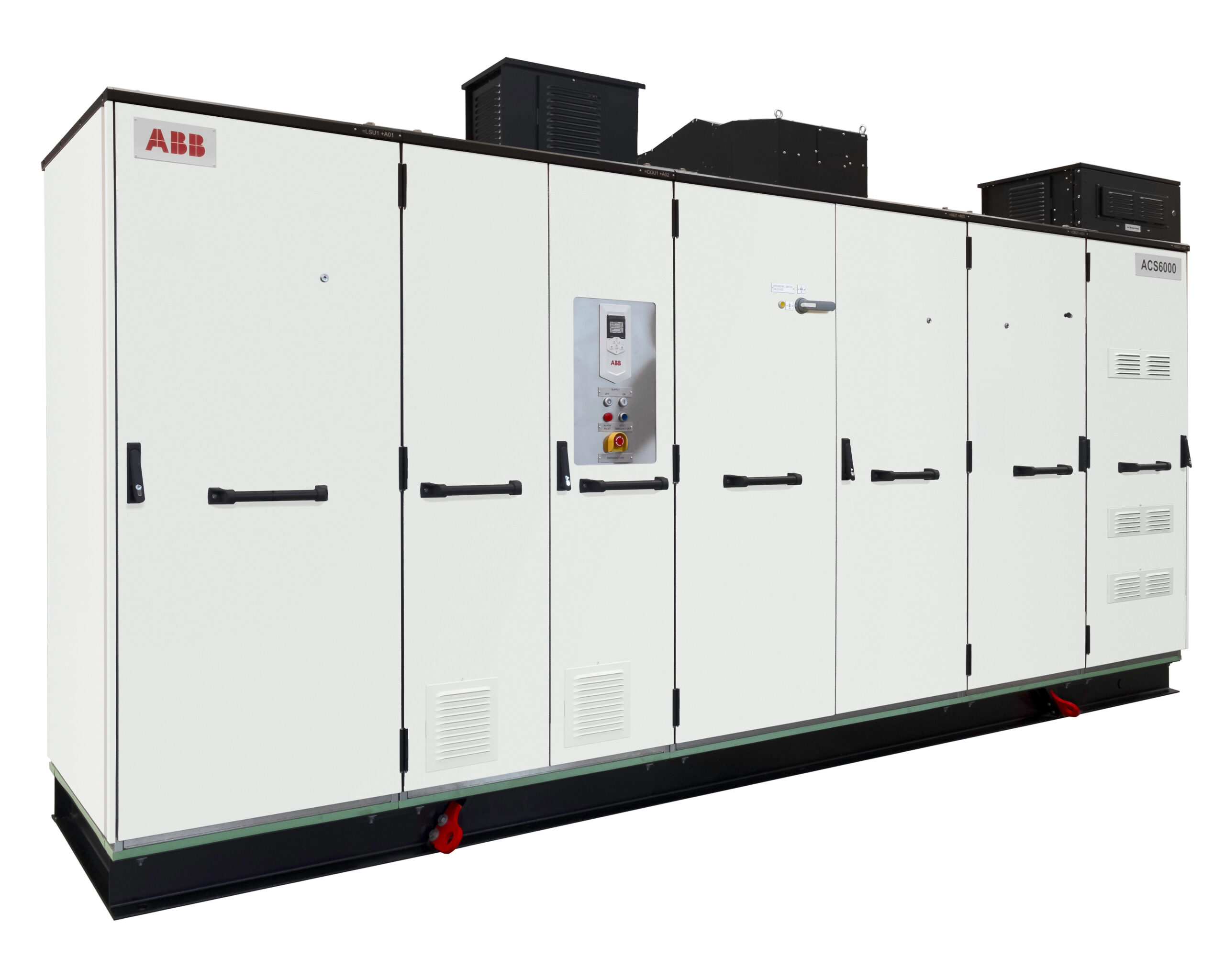
ABB has completed propulsion-drive modernisation work across nine liquefied natural gas carriers operated by CoolCo, extending the systems’ working life by more than a decade while limiting the amount of equipment that had to be replaced.
The vessels, built in 2015 and equipped with ABB propulsion systems based on ACS6000 medium-voltage frequency converters, are dual-fuel diesel-electric LNG carriers. ABB said the project focused on replacing electronic and control components rather than stripping out the full installed base, allowing the original footprint and mechanical systems to remain in place while moving the ships on to its latest Universal Control Unit platform.
The company said the modernisation improves computational capacity, troubleshooting capability, spare-parts support, and long-term lifecycle coverage, with the work coordinated to minimise dry dock time. ABB personnel carried out the upgrades at a shipyard in China alongside other maintenance interventions, and CoolCo also combined the work with pending preventive maintenance actions. That package allowed ABB to offer a 24-month extended warranty covering the complete drives.
Tommy Strømsborg, Vessel Manager at CoolCo, said reliability and availability were central to the decision, while ABB’s Tomas Arhippainen said the operator had chosen a route that combines circular value with operational resilience. In practical terms, the project is a reminder that marine decarbonisation and lifecycle management are not always separate agendas. Extending the productive life of propulsion assets can lower waste, reduce embodied carbon losses, and avoid the downtime and capex associated with more intrusive replacement programmes.
That argument carries weight in LNG shipping, where utilisation and scheduling remain critical. Global LNG trade continued to grow in 2024, and operators are still under pressure to keep vessels available while managing emissions, fuel flexibility, and maintenance costs. Against that backdrop, modernisation projects that preserve installed infrastructure are becoming a more attractive part of fleet strategy than they once were.